A first visit to saint helier can be confusing if you treat it like a conventional resort town. Jersey’s capital is compact enough to explore on foot, yet its waterfront, beaches, shopping streets, historic sites, and harbor occupy very different kinds of space. The most rewarding approach is to use the town as a base, plan a few definite experiences, and leave room for walking along the coast or watching the harbor rather than trying to cover every attraction.
This guide focuses on a practical first visit: what to see, how the town connects to the rest of Jersey, when to go, and how to build an itinerary that works for couples, families, and travelers arriving from the United States. Timetables, ferry schedules, opening hours, and admission details can change, so check the relevant operator or attraction directly before each trip.
saint helier: a practical first visit to Jersey’s capital
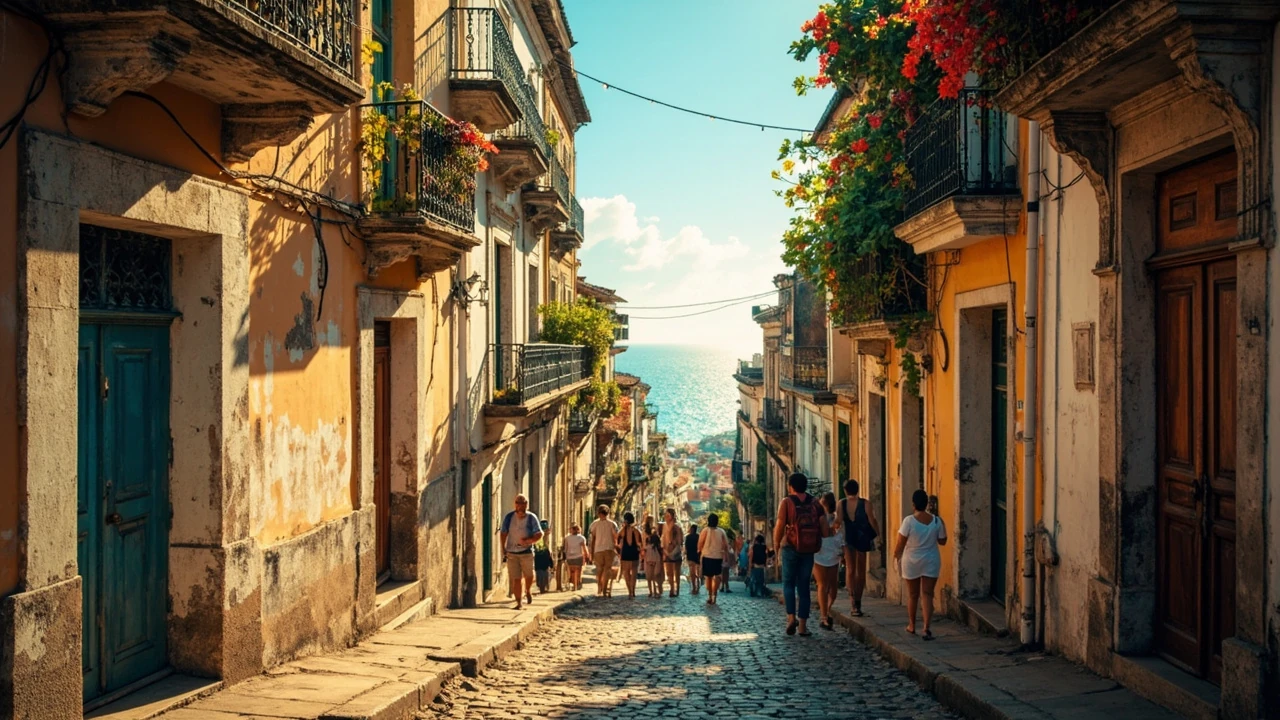
Saint Helier is the largest town in Jersey and the island’s main center for transport, services, shopping, dining, and culture. Even so, its central streets often feel more like a compact European town than a large city. Many visitors can walk between the harbor, central market, major shopping streets, and several central beaches in less time than it takes to cross a large American city.
The town is divided into several practical areas. The waterfront and harbor form the main arrival zone. Central Market sits near the commercial center, while the Royal Square and neighboring streets provide access to some of the town’s best-known historic landmarks. West of the center, the beaches begin, followed by the headland that holds Fortares. The central bus and business district extends inland toward a more ordinary mix of shops, offices, residential streets, and restaurants.
That compactness is Saint Helier’s greatest advantage, but it can also encourage overly ambitious itineraries. A better strategy is to choose one major landmark, one coastal walk, and one local activity, then build the rest of the day around meals and spontaneous stops.
| Travel priority | Best base or starting point | Why it works |
|---|---|---|
| Explore the historic center | Royal Square and the old town | Central landmarks, independent shops, restaurants, and the market are within a short walk. |
| Spend time by the water | The waterfront near the main harbor | Convenient for ferries, marina activity, harbor walks, and nearby central beaches. |
| Relax on a beach | West of the town center | Puts the town’s beachfront within easy reach without requiring a separate excursion. |
| See major island attractions | Use the town as a transport base | Island buses and organized excursions provide access to coastal scenery and sites beyond Saint Helier. |
| Stay for an evening | Central dining areas | Reduces the need for a long return journey after dinner or an evening performance. |
Most travelers should spend at least one full day in and around the town, but two or three nights give you more flexibility. A single day is workable for the center and harbor. Add another day if beach time, hiking, a castle visit, or a longer island circuit is important. Staying longer also reduces the temptation to rush between places that may be only a few miles apart.
- For a short visit, stay within walking distance of the harbor or Royal Square.
- For a beach-focused trip, choose accommodation near the central waterfront rather than at the island’s quieter edges.
- For families or travelers with limited mobility, confirm which beaches and attractions have the most convenient access before booking.
- For a longer Jersey itinerary, use Saint Helier as the first and last base but consider a second night elsewhere on the island.
What to see in Saint Helier without wasting a day
Saint Helier’s best-known sights are close enough to combine, but the order depends on your interests. History visitors can begin with Royal Square, the central market area, and the harbor’s older waterfront. Beach visitors can head west toward Fortares. Families and younger travelers may prefer the town’s museums, the waterfront, and the island landscapes reached by bus.
Royal Square forms one of the town’s most recognizable historic spaces. The surrounding area includes notable civic, religious, and commercial buildings whose architectural details reflect Jersey’s development as a fortified island trading center. It is a useful place to orient yourself before moving toward the harbor.
Central Market is another practical stop. It sits near the heart of the commercial center and provides a sense of the town’s daily rhythm through its food stalls, specialty shops, and covered market spaces. Market schedules and individual vendor arrangements can vary, so treat the visit as flexible rather than pinning the entire morning to one vendor’s hours.
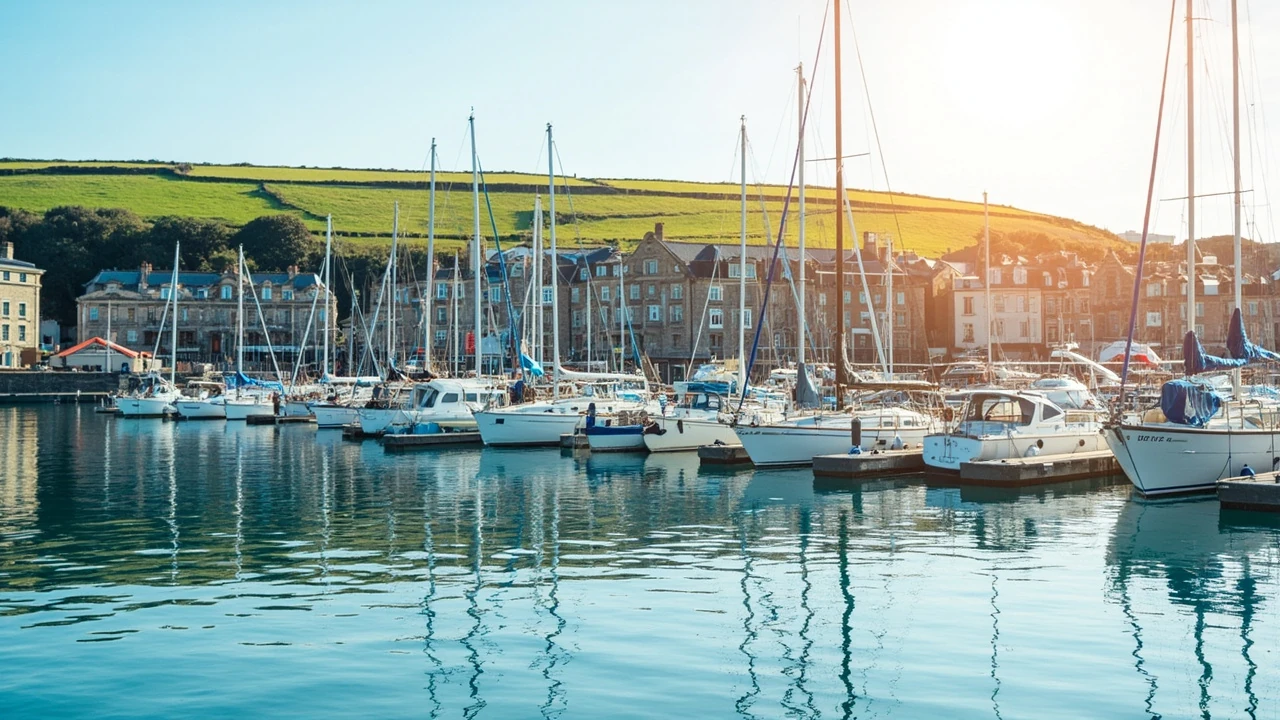
The harbor is not merely a place to catch a ferry. It is also the town’s working waterfront, marina district, and historical anchor. The For additional context, documented history of Saint Helier Harbour explains how the port developed from an earlier jetty and small harbors into a much larger commercial center. The contrast between the old harbor area, modern marina facilities, ferry berths, and commercial quays gives the waterfront a sense of continuing use rather than a preserved museum atmosphere.
Along the coast, the town’s beaches offer a different side of Saint Helier. The central beach area is convenient for visitors who want to remain close to restaurants and transport. Conditions vary considerably with tides, wind, and swell, so check local conditions before swimming. Even when the water is unsuitable, the beach and sea wall remain useful for a long coastal walk.
Fortares adds a more dramatic coastal setting. The headland offers views across the water and access to coastal paths, but uneven surfaces and exposed weather make it a different experience from a town-center sightseeing stop. Wear shoes with good grip, carry water, and allow more time than the straight-line distance suggests.
| Site or area | Best for | Planning tip |
|---|---|---|
| Royal Square | Architecture and town history | Combine with Central Market and nearby shopping streets. |
| Central Market | Food, local products, and an indoor browsing stop | Visit during the period when your preferred vendors are most likely to be operating. |
| Saint Helier Harbour | Harbor views, boating, ferry connections, and maritime history | Allow time to walk around the marina and older harbor area. |
| Central beaches | Short beach days and coastal walks | Check tide and swim conditions rather than relying on a general description. |
| Fortares | Coastal scenery and a longer walk | Expect exposed conditions and allow extra time for uneven paths. |
| Island museum attractions | Weather-dependent activities and local history | Verify current opening arrangements and choose the museum that fits your interests. |
Do not try to complete every attraction in one morning. Saint Helier’s center rewards slow walking. Stop at a harbor viewpoint, look back at the town’s rooflines, and note how the streets shift between market stalls, offices, residential façades, and waterfront buildings. Those transitions explain more about the place than a rushed checklist does.
Getting around Saint Helier and the rest of Jersey
Walking is the easiest way to explore the central town. The harbor, Royal Square, Central Market, the main shopping streets, and the nearest beaches can all be reached on foot. Walking also solves the common problem of finding the correct bus stop or locating a taxi rank when traffic is busy.
For journeys beyond the center, public buses cover much of Jersey and connect Saint Helier with coastal villages and other major attractions. Exact routes, frequencies, and payment methods can change, so consult the current island transport information before relying on a specific connection. If a fixed excursion time matters, build in a buffer rather than planning a bus-to-ferry or bus-to-tour transfer with only minutes between them.
Taxis and hired cars provide another option, particularly for visitors with mobility needs, luggage, or a tight schedule. A car can make distant coastal sites easier to reach, but Saint Helier itself has limited parking advantages compared with the ease of walking. Drivers should also remember that Jersey uses left-hand traffic, which can be unfamiliar for many visitors arriving from the United States.
Arrival by sea brings you directly to the harbor. Arrival by air normally involves a connecting journey from a larger airport or an onward island transfer. Travelers from the United States usually have more than one routing option, but the best air-and-transfer combination depends on the departure city, ticket structure, date, and the possibility of missed connections.
| Journey | Best use | Main consideration |
|---|---|---|
| Walking | Central Saint Helier, harbor, market, Royal Square, and nearby beaches | Weather and footwear matter more than distance on exposed coastal paths. |
| Public bus | Island sights and coastal villages | Check current routes and schedules, especially outside the main travel season. |
| Taxi | Door-to-door travel, early starts, or carrying luggage | Confirm availability and the price before the trip. |
| Hired car | Flexible exploration beyond the town | Remember left-hand traffic, parking limits, and local road rules. |
| Ferry | Arrival from coastal Britain, France, or neighboring islands | Allow time for disembarking and onward travel; confirm the actual port and terminal. |
| Flight and transfer | Fast connections through regional or international hubs | Avoid overly short self-transfer windows when baggage must be collected and rechecked. |
Ferry schedules and routes can be seasonal. The harbor supports connections to other Channel Islands and coastal destinations in the region, including services described in the source material to Portsmouth, Saint-Malo, Guernsey, Granville, and Sark. That does not mean every service runs every day, and some routes may operate only during part of the year. Confirm the operator, date, sailing time, and arrival point before buying a nonrefundable ticket.
- Check whether your ticket ends at the ferry terminal or includes an onward connection.
- Allow extra time if the journey continues by bus or taxi, especially near the end of the day.
- Download or print the relevant transport details before leaving your hotel.
- Carry a small amount of local currency even if cards are widely accepted, particularly for small independent businesses.
- Use a waterproof layer rather than relying on an umbrella when coastal wind is strong.
When to visit Saint Helier and how to plan around the weather
Jersey’s maritime climate makes the island suitable for spring and summer travel, but the best choice depends on what you want to do. Summer brings longer daylight, busier waterfront areas, and more opportunities for outdoor activities. Spring and early autumn can be quieter and useful for walking, but changeable weather can interrupt boat trips and coastal plans.
Check the forecast before each major outdoor excursion rather than selecting a date based only on the season. Wind affects ferry conditions, marine activities, and the exposed coast more than temperature alone. Rain showers can pass quickly, but a day with persistent wind and heavy swell may make the beach less enjoyable even when the air temperature is mild.
Beach conditions also depend on the tide. Some sandy areas become more extensive at low tide, while structures and access points may change with the water level. A tidal island is not a place where you should improvise around exposed rocks or attempt to cross a channel without local advice.
Weekend and holiday periods can affect crowds, transport demand, and restaurant availability. If Saint Helier is part of a wider Jersey trip, spending the first night in the town during the busiest period can make sightseeing easier, while staying nearby on quieter days gives you better access to beaches and popular coastal paths.
| Travel period | Advantages | Potential drawbacks |
|---|---|---|
| Late spring | Longer days, seasonal openings, and generally lighter crowds than midsummer | Changeable weather can affect boats and exposed outdoor plans |
| Summer | Best range of warm-weather activities and the longest useful evenings | Higher demand, busier central streets, and more competition for tables and rooms |
| Early autumn | Quieter sightseeing, comfortable walking conditions on many days, seasonal food character | Some seasonal services may begin winding down |
| Winter | Calmer atmosphere, local indoor attractions, and potential value in some accommodation | Shorter days, wet weather, reduced service frequency, and limited outdoor options |
Pack for the island rather than for a single forecast. Lightweight waterproof layers, comfortable walking shoes, and a wind-resistant outer layer are more useful than one heavy coat. Sunscreen and sunglasses remain useful in summer, particularly on the waterfront and exposed headlands. If you plan to swim, bring appropriate swimwear and check local guidance rather than assuming every central beach has identical conditions.
Leave room in the schedule for weather. A rainy afternoon in Saint Helier can be spent in a museum, at the market, over a long lunch, or around the harbor. Trying to replace every canceled outdoor activity immediately often makes a trip feel rushed.
Where to eat and what to look for without overplanning
Saint Helier offers a broad mix of restaurants, cafés, pubs, takeaway food, and market vendors. The town’s culinary identity reflects its position between France, Britain, and the wider Channel Islands. Rather than looking for a single “best” restaurant, choose the type of meal that suits your schedule and appetite.
Central Market is useful for a casual lunch or a quick meal because food and local products are gathered in one place. The surrounding streets offer more independent restaurants, while the waterfront provides a natural concentration of options near the harbor. For dinner after a busy day of sightseeing, reserve a table if your preferred restaurant is popular or if you are traveling on a weekend.
Seafood is prominent on island menus, but availability depends on the day and the supply chain. Jersey also produces agricultural and dairy products, and local provenance may be discussed more confidently than any particular farm-to-table guarantee. Ask staff about the catch, seasonal ingredients, and dishes sourced from the island when those details matter to you.
Do not eat only in the immediate harbor area if you want a broader view of local life. Moving one or two streets inland can lead to smaller dining rooms, neighborhood pubs, and cafés that cater more to residents. A lunch near the market followed by dinner in a different part of town also creates a more varied day without adding travel time.
- Choose Central Market for a casual, browse-and-eat lunch.
- Use the harbor district for convenience before or after a ferry journey.
- Look inland for independent restaurants and neighborhood dining.
- Reserve dinner when your party has a fixed schedule, dietary requirement, or a preferred restaurant.
- Ask about allergens rather than assuming a dish is safe because it appears international.
Meal timing also matters on island days. If you plan a long coastal walk, eat before you become tired rather than waiting until you have returned to the center. If dinner is the main event, begin with a moderate lunch and save room for the experience you booked.
A flexible one-day itinerary through Saint Helier
The following itinerary assumes a full day in the town and places flexible activities where practical. Adjust the sequence according to the tide, weather, ferry schedule, and opening hours of any museum or attraction you want to visit.
- Begin with breakfast near the center. Use the first part of the day to learn the streets around your accommodation and decide whether you want to focus on history, beaches, or the harbor.
- Walk through Royal Square and Central Market. Spend enough time in the old town to look at the architecture, browse the market, and identify a lunch option that suits your group.
- Continue to the waterfront. Watch harbor activity, inspect the marina area, and see the older harbor spaces that developed before the modern port.
- Eat a simple lunch before the busiest part of the day. A market meal or casual waterfront lunch keeps the itinerary moving without committing too much time to one restaurant.
- Choose between beach time and a museum. On a warm, calm day, head west toward the central beaches. In poor weather, choose an indoor museum or cultural attraction instead.
- Walk to Fortares if conditions are suitable. Make this the main physical activity of the day, with sufficient time for uneven paths and changing coastal conditions.
- Return to the harbor area for dinner. Keep the evening relaxed and choose a restaurant that suits your mood rather than rushing to another distant attraction.
For a two-day stay, use the second day for the attraction that weather made impossible on the first. That might be an extended harbor walk, a museum visit, a beach afternoon, or a bus trip to a scenic part of Jersey. Keeping one day flexible is more valuable than filling every hour with a reservation.
Families can shorten the walking segments by using transport between the center and the coastal headland, then concentrating on the playground, beach, or museum that holds the children’s attention. Couples may prefer a market lunch followed by a long sea wall walk. A solo traveler can use the same route but take time for a coffee stop or a detailed visit to the marina.
If you have only a few hours between a ferry arrival and an onward journey, prioritize the harbor, Royal Square, Central Market, and a walk toward the central beaches. Do not schedule a distant excursion on the assumption that a delay will not affect it.
Know the practical details before you arrive
Saint Helier is part of Jersey, one of the Channel Islands. This distinction matters for travelers searching for travel rules, currency, driving guidance, or transport information. Do not assume that general UK or European guidance applies without checking whether the issue is specific to Jersey or the Channel Islands.
Visitors should confirm the current entry requirements for their nationality, the validity of their travel documents, and any onward travel or transit rules before booking. A passport that satisfies the destination’s entry rules does not automatically remove transit-country requirements, especially when connecting through a larger airport.
Currency, card acceptance, and payment practices are important but change gradually. Jersey has its own relationship with the pound sterling, and travelers may encounter both cash and card payments. Check the current arrangements rather than relying on a general statement that a particular method is always accepted.
Connectivity should also be checked for the specific accommodation. Coastal positions may have different mobile coverage from central Saint Helier. Ask the property whether Wi-Fi is included, whether it is suitable for video calls, and whether there are any restrictions during peak periods.
| Planning item | What to confirm | Why it matters |
|---|---|---|
| Entry and transit | Passport validity, visa position, and connection rules | Requirements vary by nationality and routing. |
| Ferry or flight | Operating day, terminal, check-in time, and baggage rules | Seasonal schedules and disruption can affect the route. |
| Accommodation | Location, stairs, lift access, and cancellation terms | The town has compact but varied buildings and terrain. |
| Payment | Accepted cards, cash needs, and any machine fees | Preferences vary among independent businesses. |
| Connectivity | Wi-Fi coverage and mobile service at your lodging | Central and coastal coverage can differ. |
| Activities | Opening times, weather limits, age rules, and cancellation policy | Marine and outdoor activities are especially schedule-sensitive. |
Accessibility information should be checked directly with each hotel and attraction. An online description may not reveal steep steps, uneven cobbles, narrow passages, or a gap between a street and a boat boarding platform. Travelers using mobility devices should ask about the full route from arrival to the relevant entrance rather than only about the final doorway.
Travel insurance can be useful for disruptions, canceled activities, medical costs, or lost baggage, but the policy should be read carefully. Insurance terms vary, and buying a product does not automatically cover every situation that might arise during an island trip.
Frequently asked questions
Is Saint Helier suitable for a first-time visit to Jersey?
Yes. It contains the island’s main harbor, central shopping areas, historic streets, museums, restaurants, and easy access to several beaches. It also works well as a base for day trips. Most travelers benefit from at least one full day in the town, while two or three nights allow more time for coastal walks, museums, and surrounding Jersey.
How many days should I spend in Saint Helier?
One full day is enough for the main town center, the harbor, Royal Square, Central Market, and a beach or coastal walk. Two days provide a better balance between outdoor and indoor activities. Spend more time if you want to explore the rest of Jersey, attend a scheduled event, or travel without depending on a same-day connection.
Can you visit Saint Helier by ferry?
Yes. The town’s harbor supports regional ferry services, including routes to nearby islands and coastal destinations, but schedules vary by operator and season. Confirm the sailing date, port, terminal, check-in requirements, and onward connection before purchasing a ticket.
What is the easiest way to get around Saint Helier?
Walking is usually easiest for the town center, harbor, market, Royal Square, and central beaches. Buses, taxis, and hired cars are useful for the wider island. Wear comfortable shoes because even a relatively short route can include slopes, steps, cobbles, or exposed coastal surfaces.
Which beaches are easiest to reach from the town center?
The beaches west of the central waterfront are the most convenient for visitors staying near the center. Conditions change with tides, wind, and swell, and a beach that looks sheltered on a calm day may be quite different after bad weather. Check local guidance before swimming or planning water activities.
Is Fortares worth visiting from Saint Helier?
Fortares is worthwhile for coastal scenery, open-air views, and walking, especially in fair weather. It is less appealing in strong wind or heavy rain because of its exposed position. Allow extra time for the terrain and bring footwear with good grip rather than treating it as a flat promenade.
Can I visit Saint Helier without renting a car?
Yes. Most central sights are walkable, and public buses or taxis can cover journeys beyond the center. A car is convenient for flexible exploration but introduces left-hand traffic, parking considerations, and additional costs. Travelers with a tight connection should leave a generous transfer buffer.
What should I do if the weather is poor in Saint Helier?
Use museums and other indoor attractions, browse Central Market, have a long lunch, and walk around the sheltered harbor. Keep the less weather-dependent activities for that day and move coastal walks or boating to a better forecast window. A flexible itinerary will recover more easily than one packed with fixed outdoor reservations.
How should I choose a hotel in Saint Helier?
Choose by the kind of trip you are making. The harbor and Royal Square area is convenient for ferries, restaurants, and sightseeing. The western waterfront is better for easy beach access. Check stairs, lift access, room size, storage, noise, and cancellation terms, especially when traveling outside the main season.
Can I use the same day plan for families and solo travelers?
The main sights can suit both, but the balance should change. Families may need shorter walks and more activity breaks, while solo travelers can spend longer periods in the harbor, museums, cafés, or coastal viewpoints. The central locations remain useful either way because they make it easy to shorten or extend the day.