Salvador de Bahia: How to Choose the Right Base
A first-time visitor trying to choose between Salvador de Bahia’s historic center, its beachfront districts, and its quieter residential areas can spend more time comparing neighborhoods than actually enjoying the city. The practical answer is to treat Salvador de Bahia as one destination with several distinct areas, then base yourself where your priorities are strongest. Choose the historic center for architecture, music, restaurants, and easy walking; choose the coast for ocean access and a slower routine; or choose a transport hub if you plan day trips beyond the city.
Salvador de Bahia is the travel name used for the city of Salvador in the Brazilian state of Bahia. It is not a separate municipality from Salvador, and “de Bahia” is useful mainly because it helps identify the place in Brazil. The city occupies a peninsula between the Bay of All Saints and the Atlantic Ocean. Its steep terrain, divided upper and lower levels, port history, music, food, and Afro-Brazilian heritage give it a character that cannot be reduced to a single beach or landmark.
For a useful background source, see Salvador’s municipal profile, which explains the city’s location, development, and historical role as colonial Brazil’s first capital. That background matters because the sharp change in elevation affects walking routes, while the old separation between upper and lower areas still shapes how visitors move through the city.
Start by deciding how long you have and what you want to experience each day. A short trip benefits from a central base that reduces time spent in traffic. A week allows more flexibility, including a beach day, a neighborhood devoted to food and local life, and time to explore historical sites without rushing between them.
The following comparison shows which base works best for common travel priorities.
| Area | Best for | Main advantages | Travel consideration |
|---|---|---|---|
| Pelourinho and the historic center | First-time visitors, architecture, music, and evening dining | Walkable access to major landmarks, restaurants, bars, and performance venues | Historic streets can be busy, and hills make carrying luggage or navigating by wheelchair more difficult |
| Barra and Ondina | Beaches, ocean views, longer stays, and a resort-style routine | Direct access to the Atlantic shoreline and a broad selection of hotels and restaurants | Less convenient for exploring the historic center during busy periods |
| Comercio and the lower city | Port views, markets, local food, and central transport connections | Convenient access to commercial areas and waterfront routes | Less of the preserved colonial atmosphere found in Pelourinho |
| Ribeira and nearby coastal neighborhoods | A quieter beach trip with access to water and local restaurants | Calmer coastal setting and useful connections toward beaches south of the city | Check the specific neighborhood carefully because the coast varies in atmosphere and transport access |
| Mobiliary or other inland residential areas |
A hotel is not the only lodging option. Private rooms and furnished apartments can provide more space, while guesthouses may offer a quieter introduction to the city. The most important location factors are the hill, the distance from your first planned activity, and the availability of convenient transport. A lower nightly rate in a distant neighborhood can be offset by a long, expensive ride every morning.
What to See in Salvador de Bahia Beyond the Landmark Checklist
Most visitors hear about Pelourinho’s colorful façades, but Salvador de Bahia rewards travelers who understand the city as a sequence of linked districts rather than a single postcard. The historic center is the essential starting point, yet nearby churches, squares, markets, waterfront areas, and cultural spaces reveal different aspects of urban life.
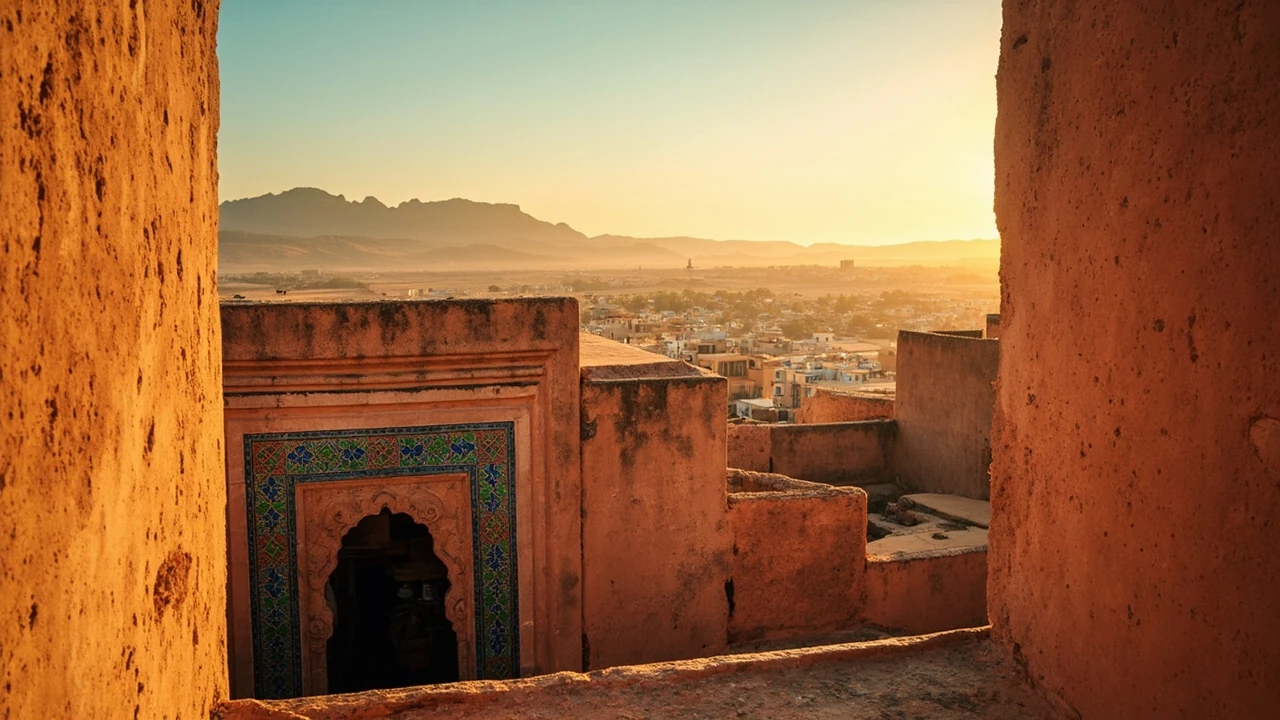
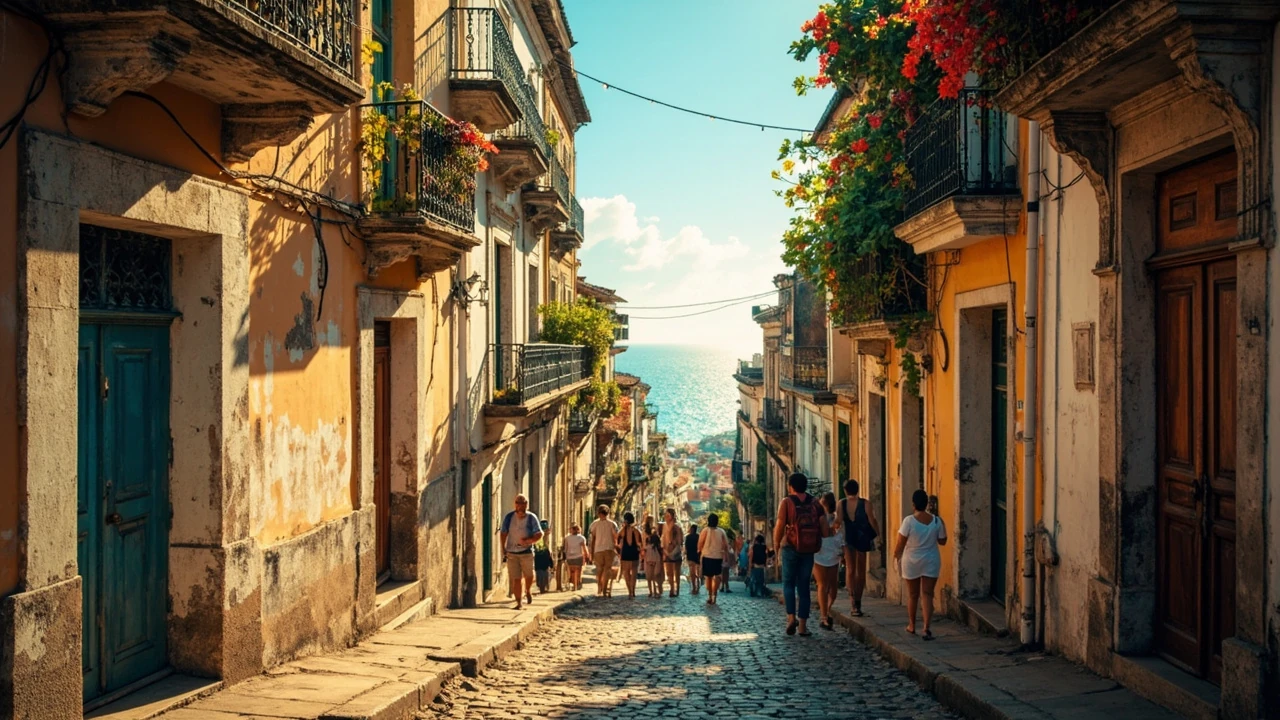
Begin in Pelourinho, where steep streets rise and fall between the lower city and Cidade Alta. The district’s vivid exterior colors, carved doorways, tiled religious buildings, and elevated viewpoints are its best-known features. Instead of trying to cover every street in one morning, choose a small route through the squares and side streets, pause at a café, and allow time to observe daily activity. The area is not merely a preserved set of buildings; it remains part of the living city.
Nearby religious and civic sites help explain why the district matters. Salvador was founded in 1549 as a fortress and administrative center, and it later became the first capital of Colonial Brazil. Its churches, institutional buildings, and upper-city streets reflect several centuries of political, commercial, and religious development. For additional context, UNESCO’s Historic Centre listing provides official context for the area’s recognized heritage value and the importance of conserving its urban fabric.
The lower city offers a different perspective. Around Comercio, the port and Bay of All Saints create long views across the water, while the Mercado Modelo area provides a concentrated introduction to Bahian food and popular crafts. The market is best treated as a place to sample and compare specialties, not simply as a shopping stop. Vendors and products vary, so allow time, ask before photographing people closely, and buy food only where it is prepared and handled hygienically.
A short cultural visit can also help visitors understand the city’s modern identity. Salvador has a national and international reputation for music, and its Afro-Brazilian culture influences public celebrations, performance, religion, food, and everyday social life. Venue schedules, festival dates, ticket rules, and access conditions change, so check the organizer’s official information rather than relying on an old itinerary or a general travel guide.
Use this list to build a sightseeing route that balances major sites with less concentrated neighborhood time:
- Walk through Pelourinho without trying to photograph every doorway.
- Visit one upper-city landmark while the streets are quieter.
- Spend time around Comercio and the bayfront in the cooler part of the day.
- Add a guided cultural experience connected to local music, religion, food, or African diasporic history.
- Leave space in the itinerary for an unplanned meal, street performance, or beach swim.
Travelers who want deeper historical context can compare the city’s layered colonial history with Peru’s long pre-Inca and Inca-era history. The comparison is not about suggesting that the places are alike; it is a reminder that Latin American destinations are often presented through a single period or culture when their histories are far more extensive.
Choosing Neighborhoods for Food, Music, Beaches, and Local Life
Neighborhood choice affects the pace of a Salvador de Bahia trip more than the choice of one restaurant or hotel. Each area has its own mix of foot traffic, music venues, beach access, transport conditions, and residential streets. The best neighborhood is not necessarily the most famous one; it is the one that matches the kind of evening you want to have.
Pelourinho excels for visitors who want landmarks within walking distance and are willing to accept higher prices or heavier crowds in peak periods. It is especially convenient for a short stay centered on the historic center. The upper and lower sides of the district should not be treated as interchangeable. Upper-city streets offer a quieter residential character and broad views, while the lower streets connect the historic core with the port and commercial center.
Comercio is more useful as a practical base than as a picturesque one. Its proximity to the port, market, transit connections, and lower-city dining makes it attractive for travelers who value convenience over colonial atmosphere. Barra and Ondina place the Atlantic within easy reach, which works well for morning swims, walks along the shore, and hotel stays centered on the beach.
Ribeira offers a more coastal pace and can suit travelers who prefer to swim outside the central city. The wider shoreline south of Salvador includes beaches with different moods, but transport and access conditions vary by location. Before booking, confirm where the accommodation actually sits in relation to the beach, whether a steep path or limited public transport is involved, and how you will reach restaurants and attractions.
Musicians and nightlife travelers should investigate venues rather than assuming every performance happens in Pelourinho. Music is part of the city’s broader culture, and the right evening may involve a venue, restaurant, cultural center, festival, or a more local setting. Check what is actually scheduled before committing to an expensive transfer.
| Neighborhood priority | Why it works | Best time to use it | What to check before booking |
|---|---|---|---|
| Historic sightseeing | Major heritage sites, steep colonial streets, and many restaurants are close together | Daytime for architecture; evening for atmosphere and dining | Walking difficulty, noise, and distance from a luggage drop-off |
| Food and market access | Convenient for the market, port area, and lower-city dining | Late morning for markets and afternoon for nearby sights | Food variety, transport back to the hotel, and nearby road noise |
| Beach time | Direct access to the Atlantic and coastal restaurants | Early morning and late afternoon | Beach conditions, sea access, shade, and the distance to downtown sights |
| Music and nightlife | Access to performances and a lively dining scene | Evening | Actual event schedule, cover charges, age rules, and return transport |
| Longer, quieter stay | More residential space and a slower pace outside peak zones | Travelers with several days and flexible transportation | Distance to the beach, transit frequency, and commute time |
Visit at different times of day if possible. A street that feels busy around midday may reveal a different neighborhood at dawn or in the evening. Ask your accommodation for practical walking directions rather than distance alone, because two points that appear close on a map may be separated by a steep climb.
What to Eat in Salvador de Bahia Without Missing the Local Specialties
Bahian food is one of the strongest reasons to visit Salvador de Bahia, but the city is more than a single dish. The cuisine grew from coastal ingredients, African and Indigenous influences, Portuguese traditions, and the foodways of a major port. Because the city is large, the better starting point is to sample specific preparations rather than search for one definitive “authentic” meal.
Pão de queijo is a small, cheesy baked bread that pairs naturally with coffee or a cold drink. Moqueca is a seafood stew traditionally prepared with fish, shrimp, coconut milk, peppers, herbs, and other aromatics. The exact recipe varies by restaurant and cook, so ask about ingredients and portion size if shellfish allergies are a concern. Acarajé, a black-eyed pea fritter filled with shrimp and topped with sauces, is a common street food, but preparation and hygiene vary by seller.
Meat dishes includexref moqueca de相关内容. Avoid corrupted. Also vatapá, a thick seafood-and-cassava dish, and acarajé, a black-eyed pea fritter filled with shrimp and topped with sauces. Fillings and sauces vary, so ask about ingredients and preparation if you have food allergies.
Meat dishes include vatapá, a thick seafood-and-cassava dish, and moqueca, a seafood stew prepared with fish, shrimp, coconut milk, peppers, herbs, and other aromatics. The exact recipe varies by restaurant and cook, so ask about ingredients and portion size if shellfish allergies are a concern. Acarajé, a black-eyed pea fritter filled with shrimp and topped with sauces, is a common street food, but preparation and hygiene vary by seller.
Other worthwhile dishes include moqueca, a seafood stew prepared with fish, shrimp, coconut milk, peppers, herbs, and other aromatics. The exact recipe varies by restaurant and cook, so ask about ingredients and portion size if shellfish allergies are a concern. Acarajé, a black-eyed pea fritter filled with shrimp and topped with sauces, is a common street food, but preparation and hygiene vary by seller.
Look for a meal that combines seafood with rice, farofa, or another starch, but order sparingly if you want room to sample several dishes. Farofa is a toasted cassava-flour preparation that can appear as a side or incorporated into larger dishes. Moqueca, vatapa, and acarajé are worth sharing because their flavors and textures are quite different. A changing menu is not necessarily a problem; it often means the kitchen is working with seasonal ingredients.
Choose a restaurant according to the meal you want rather than by popularity alone. A lively dining room may be ideal for a first evening, while a neighborhood institution may be better for a relaxed lunch. At street stalls, choose a busy seller with active cooking, frequent turnover, and clean preparation surfaces. Eat the food immediately and use caution if it has been sitting out.
Before ordering, keep these practical points in mind:
- Ask about fish, shellfish, peanuts, dairy, and other major allergens when relevant.
- Request sauces and peppers separately if you prefer to control the heat.
- Choose fish or seafood dishes based on the day’s availability rather than assuming every menu item is present.
- Carry small notes or use a payment method accepted by the establishment.
- For beachfront dining, check whether the view comes with a minimum spend or service charge.
A broader look at regional food traditions can be found in what Mexico is known for beyond beaches and tacos. Both countries have distinctive regional cuisines, but the useful lesson is that a national destination should be explored through local dishes rather than a checklist of stereotypes.
Beaches, Water, and the Best Time to Visit
Salvador de Bahia has both urban and natural beaches, but they serve different purposes. Barra and Ondina put the ocean close to hotels, restaurants, and city life. Farther south, the shoreline becomes more spacious and can suit travelers looking for a slower day near the water. The right choice depends on whether you prioritize convenience, beach atmosphere, swimming conditions, or a change of scenery.
Salvador de Bahia has a tropical climate, and warm conditions are possible throughout the year. Rain can occur in every season, so a day with a short downpour does not necessarily mean the entire day is lost. Packing a light rain layer is more useful than treating rainy weather as a prediction. Seasonal conditions also affect the sea, and it is worth checking local guidance for swimming, weather alerts, and coastal access.
Because Salvador de Bahia is in the Southern Hemisphere, the seasons do not align with those familiar to many visitors from the United States. Summer broadly corresponds to December through February, while June through August is winter. Peak travel demand, event schedules, and hotel availability can vary by period. If your dates include Carnival, book earlier than usual and expect much higher prices and demand for transportation and rooms. If your dates include a major concert, festival, religious celebration, or sporting event, check whether additional restrictions or transit changes are announced.
Most travelers get more value from the coast by using it as part of the day rather than treating every outing as a full beach excursion. A practical beach morning might include a swim, breakfast, a shaded break during the hottest hours, and an afternoon return to a museum, market, café, or indoor performance.
| Beach option | Atmosphere | Best use | Important limitation |
|---|---|---|---|
| Barra | Urban, accessible, with a busy beachfront | A convenient first swim or a short break from the historic center | It is not the quietest place to relax; conditions and crowding can vary |
| Ondina | Urban-resort mix with ocean views and waterfront services | Hotel stays, coastal dining, and morning exercise | Popularity can mean little quiet space at peak times |
| Ribeira | Calmer coastal neighborhood outside the central historic zone | Visitors who want both beach access and a less intense urban rhythm | Access to the central sights requires additional planning |
| Beaches farther south | More open shoreline and a stronger sense of escape | Full beach days and longer stays | Transport, sea conditions, and weather should be checked for the specific beach |
Protect yourself from strong sun with clothing, shade, and suitable sunscreen. Ocean conditions can change, so observe posted warnings and local advice rather than assuming the water is safe on a previous visit’s evidence. Never leave valuables unattended on the beach, and use an official taxi, established ride-hailing service, or other recommended transport when returning after an evening out.
Getting Around: What to Check Before Each Major Outing
Transport is the part of a Salvador de Bahia trip most likely to affect the length of each day. The city’s hills, heavy coastal weather, and spread-out neighborhoods make a short map distance misleading. Walking works well in central districts, while longer routes, beaches farther south, and days with children or mobility needs benefit from a mixture of walking and organized transport.
Use ride-hailing and conventional taxis for point-to-point trips, but agree on the fare or confirm the payment method before departure when using a conventional taxi. Public transport can be economical and useful for local travel, yet it requires more patience and route awareness. Ask your accommodation which service is practical for the journey you are planning rather than assuming every route reaches the beach or historic center directly.
The city also functions as a regional transport hub. Longer-distance buses and other intercity services can open routes beyond Salvador, but schedules and terminals differ from local transit. Keep the terminal separate from the city bus system in your planning. If you are combining Salvador de Bahia with another destination, reserve intercity transportation first and leave enough time to reach the correct terminal.
| Travel method | Best use | Advantages | Planning caution |
|---|---|---|---|
| Walking | Short trips within Pelourinho and adjacent central areas | Free, immediate, and good for observing street life | Steep slopes, heat, and uneven pavements can make distances demanding |
| Public bus | Local journeys where routes and stops are familiar | Lower cost and useful for everyday urban movement | Travel time can be long, especially during busy periods |
| Taxi | Door-to-door trips with passengers or a bulky load | Convenient and flexible | Confirm the fare or payment arrangement before the trip |
| Ride-hailing | Transfers to and from central districts, restaurants, and hotels | Upfront route information and easier pickup in many areas | Availability and pricing can vary by location and time |
| Intercity bus or other long-distance service | Travel to another Brazilian city | Combines the local stay with a regional journey | Check the departure point, arrival point, duration, and onward transport separately |
A simple day plan reduces friction. Leave the hotel with a specific destination rather than an open-ended intention to “see everything.” Combine destinations that sit close together, carry water, and schedule the most demanding walks for cooler hours. If you plan an evening performance, confirm the return method before leaving your accommodation.
Keep the following checklist updated:
- Save the address of your accommodation in Portuguese as well as English.
- Ask for the nearest practical pickup point for taxis or ride-hailing.
- Download or identify the transit option for each outlying beach.
- Carry a small amount of cash while retaining an electronic payment backup.
- Check weather, transit changes, and event access before the day of a major activity.
- Allow extra time when a beach excursion and a dinner reservation are on the same schedule.
A Practical Itinerary for Three Days in Salvador de Bahia
Three days are enough to understand Salvador de Bahia’s main contrasts if the plan stays realistic. The schedule below balances the historic center, local food, the bayfront, the ocean, and cultural programming. It is a structure rather than a fixed timetable: attractions, venues, and transit conditions may change, so treat each item as something to verify locally.
| Day | Morning | Afternoon | Evening |
|---|---|---|---|
| Day 1 | Walk through Pelourinho and the upper city while streets are quieter | Continue through major heritage streets, then visit the lower city or bayfront | Choose a long Bahian meal and explore a music or cultural venue |
| Day 2 | Visit Mercado Modelo and focus on prepared foods and regional ingredients | Continue to an outlying neighborhood or nearby coastal area | Return to the historic center for street food and an early evening in Pelourinho |
| Day 3 | Take a guided cultural, historical, or music-focused tour | Spend the afternoon at a beach chosen for either convenience or atmosphere | Have a relaxed dinner near your accommodation and prepare for onward travel |
On the first day, avoid trying to combine the historic center, a distant beach, and a late performance. The city itself is more rewarding when you give each area enough time to understand its rhythm. A missed museum because of a rushed transfer is a poor trade for a sunset photograph.
The second day is ideal for food. Start at the market, compare dishes rather than buying one large meal immediately, and save some appetite for a seafood lunch. Use the afternoon for a neighborhood that matches your interests: the coast for a beach reset, or residential streets for a slower look at daily life.
On the third day, book one meaningful activity rather than adding a checklist of minor stops. A guided history, music, food, or photography session can provide context that is difficult to obtain independently. Leave the final afternoon open for a beach, because the ocean may be the part of Salvador de Bahia you will think about long after the trip ends.
For travelers extending the itinerary, use Salvador as a base for carefully chosen regional excursions. For a wider sense of the different histories that shape Latin American travel, compare the country’s Indigenous and colonial background with the long history of Peru. A destination rooted in layers of Indigenous, African, European, and regional influence can feel very different from Brazil even when regional food and music appear at first glance to be related.
Frequently asked questions
Is Salvador de Bahia a different city from Salvador?
No. Salvador de Bahia is a commonly used travel name for Salvador, the capital of the Brazilian state of Bahia. The “de Bahia” wording distinguishes the city from other places named Salvador and helps travelers locate it within Brazil.
How many days should I spend in Salvador de Bahia?
Two days are enough for the historic center and one major food or cultural experience. Three days allow more time for the lower city, the bayfront, a beach, and an outlying neighborhood. A week or more is better if you want slower travel, several music or food experiences, and regional excursions.
What is the best area for a first visit?
Pelourinho is the most convenient starting point for many travelers because major heritage sites, restaurants, and evening activities are close together. Barra or Ondina is better for those who prioritize ocean access, while Comercio offers strong practical connections to the market, port, and lower city.
Do I need a car in Salvador de Bahia?
Most visitors do not need one for the central historic districts, and driving can add stress because of hills, traffic, and parking constraints. Walking, taxis, ride-hailing, and public buses are generally more useful. A car or other arranged transport may make sense for a longer regional journey, but it is rarely essential for a short city visit.
What are the best foods to try in Salvador de Bahia?
Begin with moqueca, a seafood stew, and compare it with vatapa, a thick seafood-and-cassava dish. Acarajé, a black-eyed pea fritter filled with shrimp, is a common street food, while pão de queijo is an easy snack with coffee. Regional restaurants and prepared-food markets provide a broader introduction than ordering only familiar dishes.
Is Salvador de Bahia safe for tourists?
Visitors can generally travel using the same sensible precautions they would apply in a large Brazilian city. Keep valuables out of sight, use recommended transport at night, remain alert in crowded areas, and follow local advice. Hotel staff and reputable local guides can provide current guidance about particular neighborhoods, beaches, and attractions.
Should I visit Salvador de Bahia during Carnival?
Carnival is the city’s most famous celebration and can be an extraordinary experience, but it also brings major crowds, higher prices, and heavy demand for accommodation and transport. Travelers should plan early, verify event arrangements, and expect limited flexibility. Visit outside the busiest period if your priority is a calmer cultural trip.
Are the beaches near Salvador de Bahia suitable for swimming?
Some urban beaches are convenient for a short swim, while others farther south provide more space. Sea and weather conditions can change, so check local warnings and the specific beach on the day you plan to enter the water. Use shade and sun protection, and avoid entering during rough or dangerous conditions.
Can I visit the historic center without a guided tour?
Yes. The central streets can be explored independently, and a self-guided visit allows more flexibility over neighborhoods and food stops. A guide becomes more valuable when you want detailed historical interpretation, cultural context, or access to a venue that requires advance planning. Decide which type of experience fits your interests before adding a tour.
What should I pack for a Salvador de Bahia trip?
Pack lightweight clothing suitable for warm weather, comfortable shoes for steep and uneven streets, rain protection, sun protection, and any medication you need. A light layer is useful for air-conditioned interiors and cooler evenings. If you plan to visit religious sites, beaches, or community events, learn the local expectations in advance rather than assuming the dress code of your home country.