What is Morocco known for?
A first-time visitor might expect Morocco to be defined by one image: camels crossing a Saharan dune. That image is real, but it represents only a small part of the country. What is Morocco known for extends from Atlantic surf towns and high Atlas passes to tiled medinas, fragrant markets, mountain villages, historic imperial cities, and a culinary tradition built around grains, vegetables, meat, herbs, and slow cooking.
The country also rewards travelers who move beyond a short sightseeing itinerary. You can spend a morning walking through Fez, take a drive into the foothills of the Atlas Mountains, watch artisans shape metal or tile in a workshop, and finish the day beside a communal bread oven. A few hours later, the landscape may look completely different, with red rock rising from a desert valley or a fishing harbor opening toward the Atlantic.
Morocco is especially rewarding because several distinctive travel experiences occur in one relatively compact country. You do not need to choose between culture and scenery, cities and nature, or food and craft traditions. The main decision is where to base yourself and how much time to allow for the places that interest you.
| Signature experience | Where to experience it | What makes it distinctive | Best for |
|---|---|---|---|
| Historic medinas and architecture | Fez, Marrakech, Rabat, Essaouira | Walled medinas, historic gates, palaces, religious schools, tiled courtyards, and dense lanes shaped over centuries | Architecture, history, photography, and craft markets |
| Sahara and desert landscapes | Merzouga, Erg Chebbi, the Drâa Valley, southern oases | Sand dunes, gravel plains, oasis towns, and dramatic transitions from mountains to desert | Sunset views, short desert stays, and scenic drives |
| Atlas Mountains and Berber country | High Atlas, foothills near Marrakech, valleys around Tinghir | Terraced villages, mountain passes, mule tracks, Amazigh communities, and long-distance walking | Hiking, landscapes, and local cultural experiences |
| Atlantic coast | Essaouira, Taghazout, El Jadida, Oualidia | Harbors, beaches, fishing traditions, windsurfing, and a more relaxed coastal rhythm | Food, surfing, coastal walks, and slower itineraries |
| Regional food and markets | Marrakech, Fez, Casablanca, smaller market towns | Tagines, couscous, breads, pastries, preserved lemons, olives, spices, and seasonal produce | Food travelers and anyone who enjoys active markets |
| Traditional craftsmanship | Fez, Marrakech, artisan centers, rural cooperatives | Leather, brass, zellige tile, woven textiles, carpets, woodwork, and metalwork | Crafts, design, and shopping with a clear explanation of materials |
Morphisms landscapes range from Atlantic beaches to Sahara dunes
One of Morocco’s most memorable qualities is the speed at which the scenery changes. Along the north, the Mediterranean coast and Rif Mountains create a greener, cooler setting. The Middle Atlas and High Atlas form a rugged barrier across the center. Farther south, plateaus give way to arid valleys, oasis towns, and the Sahara. The Atlantic coast provides another contrast, with fishing harbors, broad beaches, and exposed coastal air.
The Atlas Mountains are one of the country’s defining natural features. The High Atlas includes some of North Africa’s highest peaks, while the Middle Atlas has rolling highland landscapes that suit trekking and rural touring. Roads pass through valleys where flat-roofed earthen homes cluster beneath craggy slopes. Farther along, villages appear to emerge from the rock itself.
These mountains are not simply scenery. They shape settlement patterns, travel routes, and access to southern Morocco. A drive from Marrakech toward the Sahara can move through cultivated foothills, a dramatic mountain pass, and dry plains within a single day. However, road travel is usually more rewarding than trying to cover the distance in a hurry. Stops for a valley walk, a market visit, or a night in a small town reveal more than a direct route.
The southern landscape is frequently associated with the Sahara, especially the dunes around Merzouga and Erg Chebbi. These dunes should not be confused with the Sahara as a whole, which covers a vast area across North Africa and includes rocky plains, gravel desert, and mountainous edges as well as sand. Morocco’s desert towns offer different experiences from oasis settlements such as those along the Drâa Valley. One emphasizes dune scenery and tourism; the other shows how people have adapted to water, agriculture, and extreme seasonal heat.
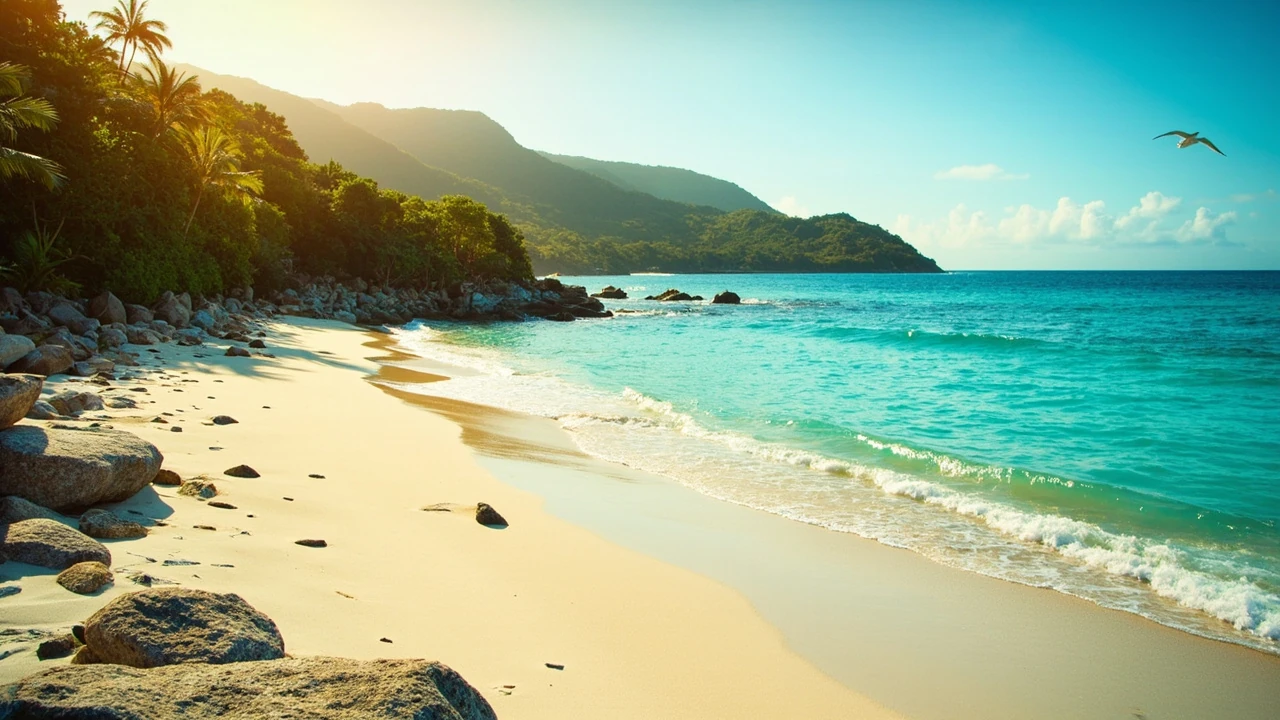
The Atlantic side offers a gentler image of Morocco. Essaouira has a low-key harbor atmosphere, fishing boats, white and blue walls, wind, and strong currents in the water. Taghazout is associated with surfing, while stretches near El Jadida and Oualidia draw visitors for beaches and coastal scenery. The contrast with the interior matters: instead of immediate desert heat and dense medina lanes, travelers encounter open sea, salt air, and a more relaxed daily rhythm.
Landscapes worth comparing during a trip
- High Atlas valleys: Best for dramatic scenery, village visits, and hiking on established routes.
- Merzouga and Erg Chebbi: Best for large dunes, short desert excursions, and sunrise or sunset views.
- Drâa Valley: Best for oasis landscapes, palms, earthen settlements, and a slower transition toward the Sahara.
- Atlantic coast: Best for beaches, harbors, seafood, windsurfing, and less hurried travel.
- Middle Atlas: Best for highland roads, cedar landscapes, rural villages, and cooler seasonal conditions.
A useful itinerary rarely attempts all of these landscapes at once. A week might pair Marrakech with the High Atlas, while a longer journey could continue south through the Drâa Valley to the desert. Travelers based on the Atlantic coast may use Essaouira as a base and add a separate section for Marrakech or the southern plains. Geographic contrast works best when the schedule leaves room to absorb the change rather than turning every stop into a rushed checkpoint.
Historic cities reveal the layers of Moroccan identity
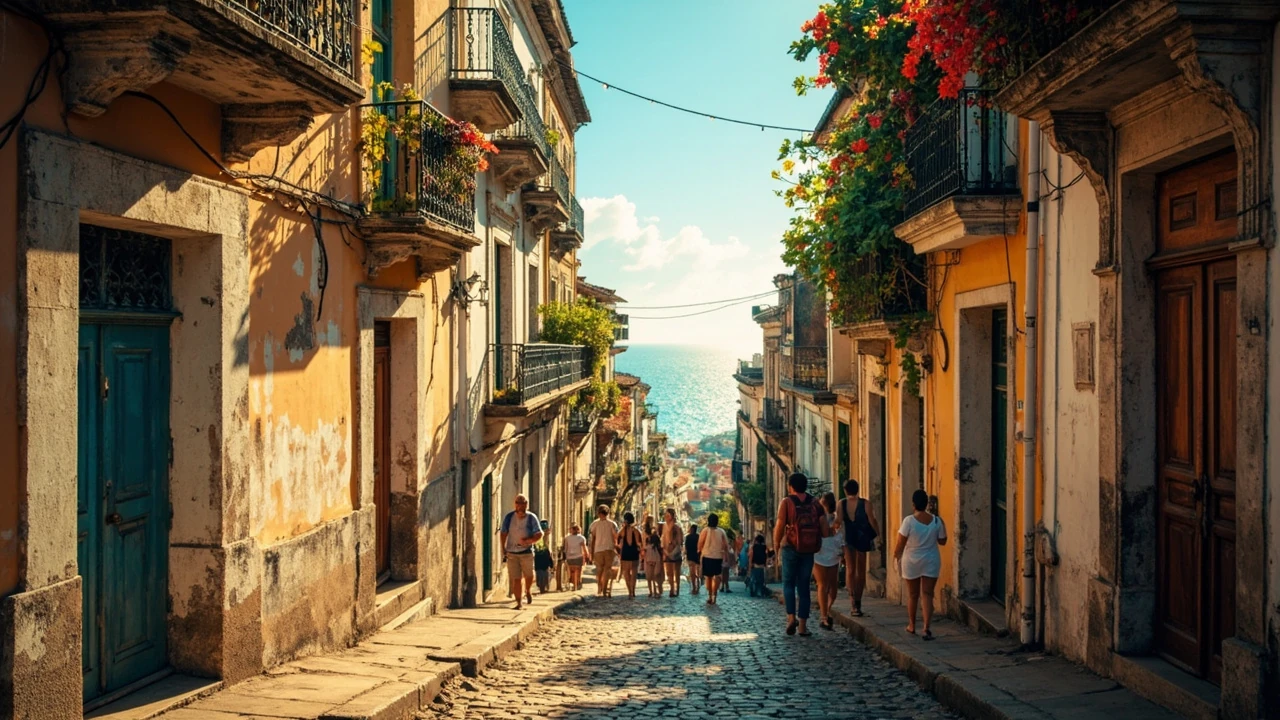
Morocco is often introduced through its medinas, but a medina is more than a picturesque old market. It is a working urban district with homes, workshops, food businesses, religious spaces, schools, and routines that continue alongside the visitor attractions. A useful visit starts by recognizing that the area is a living neighborhood rather than a museum set.
Fez is the most striking example of this layered urban tradition. The old medina grew around the Qarawiyyin neighborhood and became a major center of learning, commerce, and religious scholarship. Narrow passages lead to communal food stalls, hidden courtyards, small shops, and architecture built on a scale that can be difficult to navigate without help. The city’s dense lanes can feel overwhelming on a first visit, but they reward travelers who slow down and choose a few areas rather than trying to see everything.
The BBC’s travel profile of Fez describes its old medina as a place where ancient knowledge, daily life, and craft traditions meet. That combination is central to understanding the city: Fez is memorable not simply for old walls, but for the workshops and resident life that continue behind them.
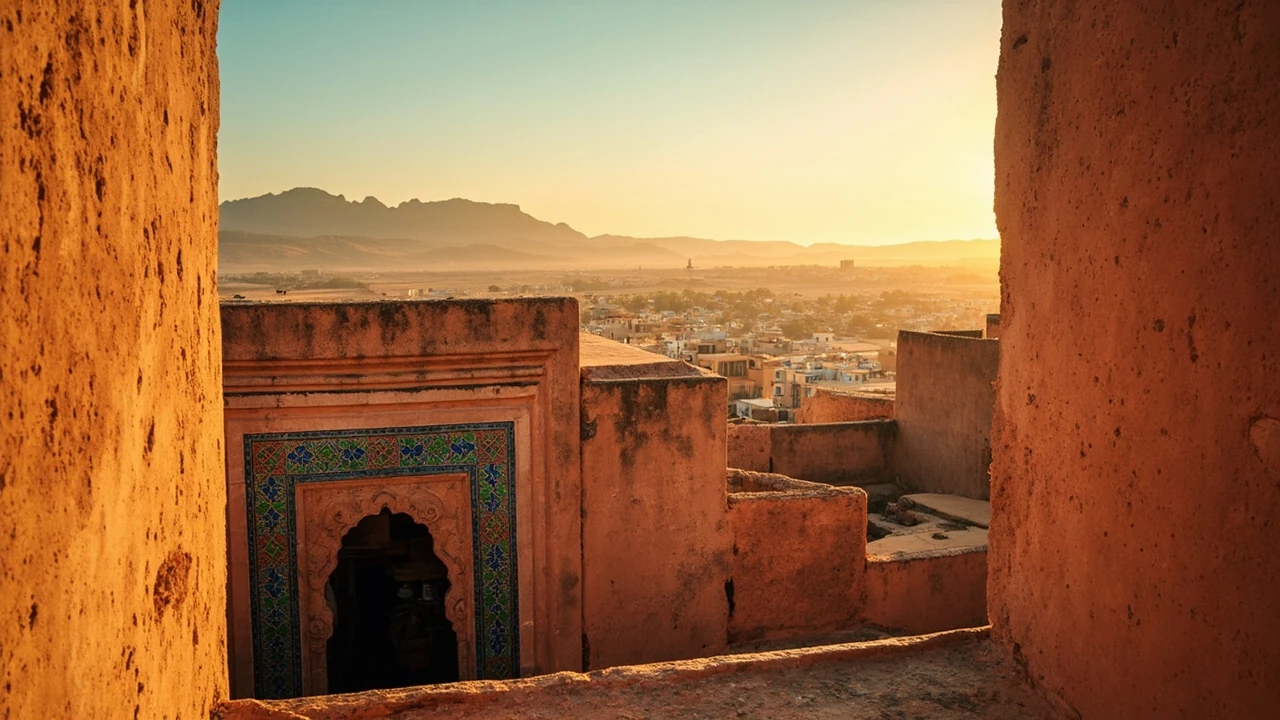
Marrakech presents a different scale and atmosphere. The medina expands around Jemaa el-Fnaa, a large public square that becomes especially animated in the evening, with food stalls, performers, musicians, and people moving between the square and surrounding lanes. Beyond the main commercial routes, riads open into courtyards, while souks specialize in textiles, metal, leather, lamps, spices, and household goods. Marrakech is often easier to navigate than Fez, though its central areas can still become crowded.
Essaouira provides a coastal counterpoint. Its fortified medina is compact, and the broad streets make it easier to explore on foot. Fishing activity still shapes daily life, while nearby beaches attract walkers and water-sports travelers. Rabat, the capital, offers another urban experience with a historic medina, the kasbah of the Udayas, and the Oudayas nearby. Tangier, at the meeting point of the Mediterranean and Atlantic, brings together harbor views, steep streets, multicultural history, and views across the strait toward Europe.
| City | Core appeal | Typical experience | Practical consideration |
|---|---|---|---|
| Fez | Historic medina and craft scholarship | Guided navigation through lanes, workshops, food stalls, and traditional architecture | Allow more time than you might expect; a guide can help with orientation and context |
| Marrakech | Medina, souks, and public-square atmosphere | Courtyard architecture, market shopping, evening street life, and nearby mountain excursions | Choose a riad on a quieter lane if rest and sleep are priorities |
| Essaouira | Harbor, seafood, and coastal relaxation | Walking the medina, visiting the port, eating by the water, and watching windsurfers | Winds can be strong, especially along the exposed waterfront |
| Rabat | Capital heritage and Atlantic setting | Udayas, kasbah, historic gates, museum culture, and the Chellah area | Well suited to a shorter, less intensely paced city break |
| Tangier | Strait views and layered Mediterranean history | Harbor walks, old-city lanes, viewpoints, and local food | Steep terrain and port activity can make footwear and planning important |
For a first visit, two or three base cities usually create a stronger itinerary than a long string of quick stops. Travelers who want the deepest sense of the medina can devote more time to Fez. Those drawn to design, shopping, food, and an energetic evening atmosphere may prefer Marrakech. Essaouira suits travelers who want a coastal experience without making a major historic city the centerpiece of the trip.
Culture, faith, and regional identity shape daily life
Morocco’s culture cannot be reduced to a collection of visual attractions. It is shaped by Amazigh, Arab, Jewish, Andalusian, Saharan, African, and other influences, with traditions that vary by region and family. The country is predominantly Muslim, and Islamic architecture, community life, religious scholarship, and halal food are central to how the nation presents itself. At the same time, centuries of contact with communities across North Africa, Europe, the Mediterranean, and sub-Saharan Africa have produced considerable regional variation.
Amazigh identity is especially important in many mountain and southern areas. Amazigh communities have distinct languages, histories, musical traditions, architectural forms, and relationships with the land. Although Amazigh people are found across North Africa, Moroccan Amazigh communities are particularly visible in areas such as the High Atlas, Middle Atlas, and Rif. A respectful visit begins with recognizing the community you are entering rather than treating every rural settlement as an open-air exhibit.
Language adds another layer. Arabic is widely used, while Amazigh languages include Tashelhit, Central Atlas Tamazight, and Rifain. French is also used in many contexts, particularly in government, education, business, and services aimed at international visitors. English is more likely to be understood in tourist areas and among younger or internationally connected residents, but it should not be assumed to work everywhere.
Religious customs affect the travel experience. Visitors are welcome in many historic religious sites, although shoes must be removed and modest behavior is expected. Mosques are primarily places of worship rather than sightseeing attractions, and non-Muslims may have restricted access to some interiors. During the Muslim holy month of Ramadan, daily rhythms change substantially. Some businesses alter hours, and public eating and drinking during daylight hours are limited. Travelers who plan around Ramadan should confirm local arrangements rather than relying on a normal schedule.
- Ask before photographing people, especially in rural communities, religious settings, or workshops.
- Use your right hand when exchanging money, passing food, or offering objects to another person.
- Dress more conservatively in villages and conservative neighborhoods than at a resort.
- Observe Ramadan restrictions and avoid eating or drinking conspicuously in public during daylight hours.
- Learn a few useful Arabic or Amazigh phrases when spending time outside major tourist centers.
Moroccan food is built around scent, texture, and regional ingredients
One of the strongest reasons to visit Morocco is the food. The national cuisine is not a single dish repeated everywhere. It is a collection of regional traditions shaped by local grain, vegetables, fruit, livestock, fishing, trade, and climate. A tagine in the north may contain different ingredients from one in the south, and a cook preparing couscous for a family gathering may treat the dish differently from a restaurant version.
Tagines are often the best introduction because they demonstrate the balance of slow-cooked meat, vegetables, preserved citrus, olives, herbs, and spices. The cooking vessel traditionally helps create a concentrated sauce, while the accompanying couscous or bread absorbs the flavors. Variations are extensive, so it is worth ordering a different tagine each day rather than treating the first one as the entire national menu.
Couscous is another foundational dish. Traditionally, it is made from semolina and served with vegetables, meat, chickpeas, and a distinctive sauce, with different regional methods of preparation. Pastilla is a savory-sweet specialty associated especially with Fez and the north, combining thin pastry with meat or seafood and seasonal accompaniments. Harira, a thick soup traditionally made with legumes, tomatoes, herbs, and spices, is commonly associated with the month of Ramadan but eaten throughout the year.
Morocco’s markets also introduce travelers to ingredients that may be less familiar in a typical American grocery store. Preserved lemons, olives, harissa, ras el hanout, cumin, saffron, dried herbs, dates, and regional honeys often carry a stronger flavor than their first appearance suggests. Bread is fundamental rather than a side dish. It may arrive warm, tear easily, and function as the main utensil for scooping up tagine sauce or dipping into a bowl.
| Food | What to expect | How to order it | Best setting |
|---|---|---|---|
| Tagine | A slow-cooked stew with meat, vegetables, preserved lemon, olives, herbs, or spices | Ask for a portion appropriate to your appetite and note whether it is meat-based or vegetable-based | A neighborhood restaurant where the pot is cooked to order |
| Couscous | Semolina served with vegetables, legumes, meat, and regional accompaniments | Try it when served as a substantial shared meal rather than as an unfamiliar side | Lunch, especially with a group |
| Pastilla | Layered pastry filled with savory meat or seafood and topped with sugar and spices | Order a small portion first; it combines sweet and savory elements | A specialist stall or traditional restaurant |
| Harira | A tomato-based soup with legumes, herbs, and spices | Ask about the day’s version and accompaniments | A casual café or neighborhood eatery |
| Fresh bread | Warm, simple bread baked frequently | Eat it with the meal or use it as the intended way to scoop up stew | Any market or neighborhood bakery |
| Mint tea | Sweet green tea traditionally poured from height | Expect it with a meal or as a welcome, and note that the sugar level is substantial | A riad, café, or communal food setting |
Vegetarian food is widely available, but travelers should not assume that every meat-free order is available without checking. Vegans may need more careful planning because dishes such as tagine and couscous can contain meat, stock, or animal fat even when no visible meat is served. Restaurants in tourist areas are generally more accustomed to specific requests, while a neighborhood establishment may be less flexible. Clear communication is better than assuming a dish named after vegetables is fully plant-based.
Seafood is especially relevant on the Atlantic coast. The choice varies by catch and season, and coastal restaurants often display what has just arrived. Along the Mediterranean coast, seafood also appears, but the culinary identity differs. A traveler looking for a recognized Moroccan meal should leave room for inland dishes rather than ordering fish at every stop.
Craft traditions are one of the strongest draws of Moroccan design
Morocco is famous for handmade objects that combine technical skill with striking surface design. Visitors commonly associate the country with zellige tile, leather goods, brass, carpets, woven textiles, carved wood, and ornate metal lamps. The most interesting way to encounter these crafts is to understand how materials and local production methods shape the result.
Zellige uses small pieces of glazed tile assembled into geometric and floral patterns. The process involves preparing clay, forming individual tiles, cutting and shaping them, glazing, and arranging the finished pieces into a larger composition. Handmade tile has slight variations that machine-made imitation may not reproduce. This distinction matters when shopping because a decorative vessel can borrow the visual language of zellige without being assembled from traditional glazed pieces.
Leather goods range from practical slippers and bags to book covers, poufs, and decorated panels. Color and finish often depend on the dye and tanning process. Natural variation is a sign of handwork, but natural does not automatically mean inexpensive. Compare the quality of the stitching, seams, edge finishing, and material before buying.
Textile traditions differ by region. Rugs may be woven or knotted, with patterns connected to community history, local materials, and the preferences of the intended household. The geographical origin often cited for a style can be complicated, and a souvenir dealer’s label should not be accepted without explanation. A useful purchase decision prioritizes construction, materials, intended use, and the seller’s transparency.
Metalworkers in Fez and other historic centers are known for hammering, engraving, chiseling, and patinating brass and related objects. Woodworkers create doors, screens, tables, and carved architectural details. Some workshops welcome visitors, while others treat production areas as working spaces. Ask before entering, avoid touching tools or unfinished pieces, and do not photograph workers without permission.
- Ask what the item is made from and how it was produced.
- Examine stitching, joints, glaze, patina, and finishing rather than judging only by ornament.
- Decide whether you need a functional object, a decorative piece, or a keepsake before entering a shop.
- Compare similar work across several workshops instead of buying from the first vendor approached.
- Ask about care instructions, particularly for textiles, leather, and metal.
Desert stays, mountain walks, and coastlines offer active alternatives
Morocco is not only a sightseeing destination. Although the country’s infrastructure is uneven, the range of landscapes supports hiking, surfing, horseback rides, desert excursions, coastal walks, and extended road trips. The best activity depends on your comfort with distance, heat, terrain, and group size.
Desert travel usually centers on a town such as Merzouga, from which visitors can reach dunes for sunset or sunrise, take a camel excursion, or spend a night in a camp. Camel riding is one approach, but the experience varies. A shorter ride may be suitable for many visitors, while a multi-day journey requires more preparation and appropriate expectations about facilities, privacy, and weather. Altitude is not the main challenge in most desert areas; heat, distance, and the timing of the ride matter more.
Mountain travel ranges from easy walks through villages to serious multi-day treks. The High Atlas is a common focus for travelers based in Marrakech, while the Middle Atlas and Rif offer different landscapes and a more off-the-beaten-path experience. A local guide can add information about routes, seasonal conditions, settlement, and the cultural meaning of the landscape. Trekking agencies should be able to explain the daily distance, sleeping arrangements, meals, group size, and emergency planning without leaving the important details vague.
On the Atlantic coast, Essaouira and Taghazout provide settings for windsurfing and surfing. The wind and water conditions vary, so lessons or guidance from a local school are more useful than assuming conditions will match a previous vacation destination. Essaouira is also pleasant without a board. The harbor, medina, seafood stalls, and sea walls work well for travelers who want movement without technical equipment.
Long-distance travel is another Moroccan specialty. Buses and rental cars connect major cities, and overnight trains can be a practical option between some destinations. The roads reveal the country well, but rural stops may be farther apart than maps suggest. Drivers should download offline maps, carry water, and avoid assuming that fuel or services are immediately available in every smaller settlement.
How to choose a Morocco itinerary that matches your priorities
The best itinerary is not necessarily the one with the most destinations. It is the one that gives you enough time for the experiences you care about while keeping travel days reasonable. Start by deciding which three things you most want from Morocco.
If your priorities are historic architecture and crafts, emphasize Fez and Marrakech, with a guided medina visit and time in smaller workshops. If you value food and markets, allow several days in Marrakech, Fez, and at least one smaller town where daily life remains central to the visit. For scenery, combine an Atlas or Rif base with either the Sahara or Atlantic coast rather than crossing the country repeatedly.
Season matters because conditions vary dramatically by region. The coastal cities and northern mountains can be comfortable when the desert and southern interior are intensely hot. Conversely, winter nights in the desert and high mountains can be cold. Spring and autumn often offer a balance, but exact conditions change from year to year. Check regional forecasts close to departure rather than treating a general travel month as a guarantee.
A first trip often works well with three or four bases. One possibility is Marrakech, one Atlas or desert excursion, and Essaouira. Another is Fez followed by a route south through the Middle Atlas and Sahara. Travelers based in the United States may find it useful to build in a recovery day after a long international flight and avoid booking a demanding activity immediately upon arrival.
A simple trip-planning checklist
- Choose one dominant theme: medinas and craft, food, desert scenery, mountains, coast, or a balanced mix.
- Limit the number of base changes, especially if your itinerary includes a long internal flight or drive.
- Reserve special activities—such as a private medina guide, mountain trek, or desert camp—before the relevant season.
- Pack for regional variation with comfortable walking shoes, sun protection, layers, and a light scarf.
- Confirm dietary needs clearly and research restaurant accessibility if you have strict requirements.
- Leave room for a guided visit or reputable small-group tour in at least one dense or rural area.
- Carry some cash for small transactions while using a reliable payment method for larger purchases.
- Ask about current transportation, payment, dress, and religious customs immediately before departure.
Morocco’s strongest destinations can seem contradictory because they depend on your interests. A traveler can spend a week on food alone and feel that the country has been fully explored. Another traveler can ignore the medinas and focus on hiking, coasts, or desert roads. For most visitors, the most satisfying approach is a deliberate combination: one historic city, one natural landscape, and enough free time to experience a market, a meal, and a workshop as part of daily life rather than as isolated attractions.
For useful comparisons with other destinations that combine food, history, and dramatic geography, see What Is Mexico Known For? Much More Than Beaches and Tacos. Readers interested in the forces that shaped the landscapes and communities of the Andes may also find Peru History Starts Thousands of Years Before the Inca worthwhile.
Frequently asked questions
What is Morocco mainly known for?
Morocco is mainly known for its historic medinas, Saharan and Atlas Mountain landscapes, distinctive cuisine, traditional crafts, and blend of Arab, Amazigh, Andalusian, and Saharan influences. The appeal lies in the way those elements combine: a visitor can explore a historic city in the morning, travel through mountains or desert terrain, and dine on regionally specific food later the same day.
Which Moroccan city is best for a first visit?
Marrakech is often the easiest introduction because it combines a major medina, markets, food, design shopping, and easy access to the High Atlas. Fez offers a deeper focus on historic architecture, crafts, and the scale of the old medina. Essaouira suits travelers who prefer a coastal and less intense pace, while Tangier is attractive for harbor views and a strong connection to the Mediterranean and Atlantic.
Is Morocco better for culture, food, or nature?
It would be misleading to rank those priorities because the country supports all three. Culture and food dominate in Fez, Marrakech, and market towns. Nature becomes the focus around the Sahara, the Atlas Mountains, the Drâa Valley, and the Atlantic coast. The best choice depends on how much time you have and whether you prefer dense city exploration or scenery with more distance between destinations.
Do you need a guide to visit a Moroccan medina?
A guide is not essential everywhere, but it is highly useful in complex medinas such as Fez. A knowledgeable guide can explain architectural history, identify crafts that are difficult to distinguish from a distance, and help you navigate without feeling lost. In smaller towns and rural areas, a local guide can also provide cultural context and practical information that is not apparent from a map.
What is the best time to visit Morocco?
The best time depends on the regions you plan to visit. Coastal and northern areas offer different conditions from the desert and southern interior. Spring and autumn are often convenient for combining cities, mountains, and desert travel, while winter suits travelers who want cooler conditions in the far south. Summer can be extremely hot in desert areas, so travelers should plan clothing, activity levels, and daily schedules around local temperatures.
Can vegetarians and vegans find food in Morocco?
Vegetarians generally have more options because vegetable-heavy tagines, couscous, salads, and other dishes are common, although recipes can include meat, stock, or animal fat. Vegan travelers should ask clearly what is in the dish and what is used in the cooking fat or broth. A restaurant that regularly handles plant-based requests will usually be easier to accommodate than a very traditional kitchen with a limited menu.
Is a Sahara desert tour worth the time and cost?
A desert visit is worth the time if spectacular dunes and a change of scenery are major goals. It can be experienced through a day trip, a sunset excursion, or an overnight camp, with each option offering a different level of immersion and travel time. If you have limited days, a shorter excursion from Merzouga can provide the essential experience without committing to a long route across the south.
What Moroccan crafts are authentic and worth buying?
Authenticity depends on the material and production method, not merely on a geometric pattern. Good indicators include traditional zellige assembled from glazed tile, careful leather finishing, sound construction in wood or metal, and clear information about how a textile was made. Research the craft before shopping and compare work across several makers. A reputable seller should welcome questions and explain materials, dimensions, and care.
Is Morocco suitable for travelers with limited mobility?
Morocco includes accessible accommodation and transport options, but conditions vary by building and destination. Flat coastal promenades, modern hotels, and some main-city attractions may be easier than uneven medina lanes, old riads, and mountain routes. Travelers who need step-free access should ask detailed questions about entrances, elevator availability, bathroom configuration, and transportation before booking. A carefully planned route can still provide a rewarding experience, but it requires more advance coordination.
How many days are enough for a first visit to Morocco?
A week can cover a first visit if the route is focused, such as Marrakech, an Atlas excursion, and part of the Atlantic coast. Ten to fourteen days allows more regional contrast, including Fez or a Sahara journey. The most important factor is not the number of stops but the amount of time allocated to them. Two or three bases with unhurried days are usually more rewarding than a fast loop across the country.