Places to visit in Venezuela: the destinations worth planning around
Choosing places to visit in Venezuela requires more than picking a landmark from a map. The country contains landscapes that can feel detached from the tropical Caribbean: immense waterfalls beneath tabletop mountains, coral islands reached by boat, cloud forests around the Andes, dune fields close to the coast, and colonial towns built into steep mountain valleys. The distance between these places is substantial, and conditions can vary sharply from one region to the next.
That makes Venezuela best approached as a destination with several distinct travel circuits rather than a single sightseeing circuit. Angel Falls and Canaima suit travelers seeking dramatic scenery and longer outdoor stays. Los Roques offers a marine-focused break on the Venezuelan coast. Mérida and the surrounding highlands provide mountain scenery, parks, and towns such as Los Picos de Maracay. The northwestern coast around Morrocoy, Choroní, and Puerto Colombia suits travelers interested in beaches, colonial history, and wildlife. Farther northwest, the Médanos de Coro introduce a completely different landscape of shifting sand dunes.
Safety, transport, health preparation, and realistic time allocation matter as much as the attraction list. Some destinations require local transportation arranged through a qualified operator; others can be reached without a guide but still demand caution. The For additional context, geography of Venezuela helps explain why every journey takes longer than its distance on a flat map might suggest.
This guide organizes the country’s most compelling destinations by region, compares different travel styles, and provides sample itineraries. It is designed to help you choose one or two priorities instead of attempting a rushed tour of places separated by mountains, roads, and tropical terrain.
Best destinations in Venezuela by region
Venezuela’s major attractions fall into four broad travel areas: the southeast around the Guiana Shield, the Caribbean coast and islands, the western mountain chain, and the northwestern desert and coastal region. Choosing by region is more useful than trying to arrange every major sight in a single trip.
| Region | Key places to visit | Best for | Typical planning approach |
|---|---|---|---|
| Guiana Shield | Angel Falls, Canaima Lagoon, Salto Toro | Waterfalls, rainforest scenery, indigenous culture, remote adventure | Stay several days in Canaima and use an operator for river and trail access. |
| Caribbean islands | Los Roques, Gran Roque, Cayo de Agua | Snorkeling, boating, beaches, slower island time | Fly to the archipelago and stay on Gran Roque or another established island base. |
| Andes and northwest | Mérida, Los Picos de Maracay, Colonia Tovar | Mountain towns, cool highland conditions, parks, regional food | Use the western cities as bases and avoid overloading the route with long drives. |
| Northwest coast | Morrocoy, Choroní, Puerto Colombia, Médanos de Coro | Beaches, mangroves, wildlife, colonial history, desert landscapes | Build separate coastal and desert days, with careful transport planning. |
Angel Falls and the Canaima region
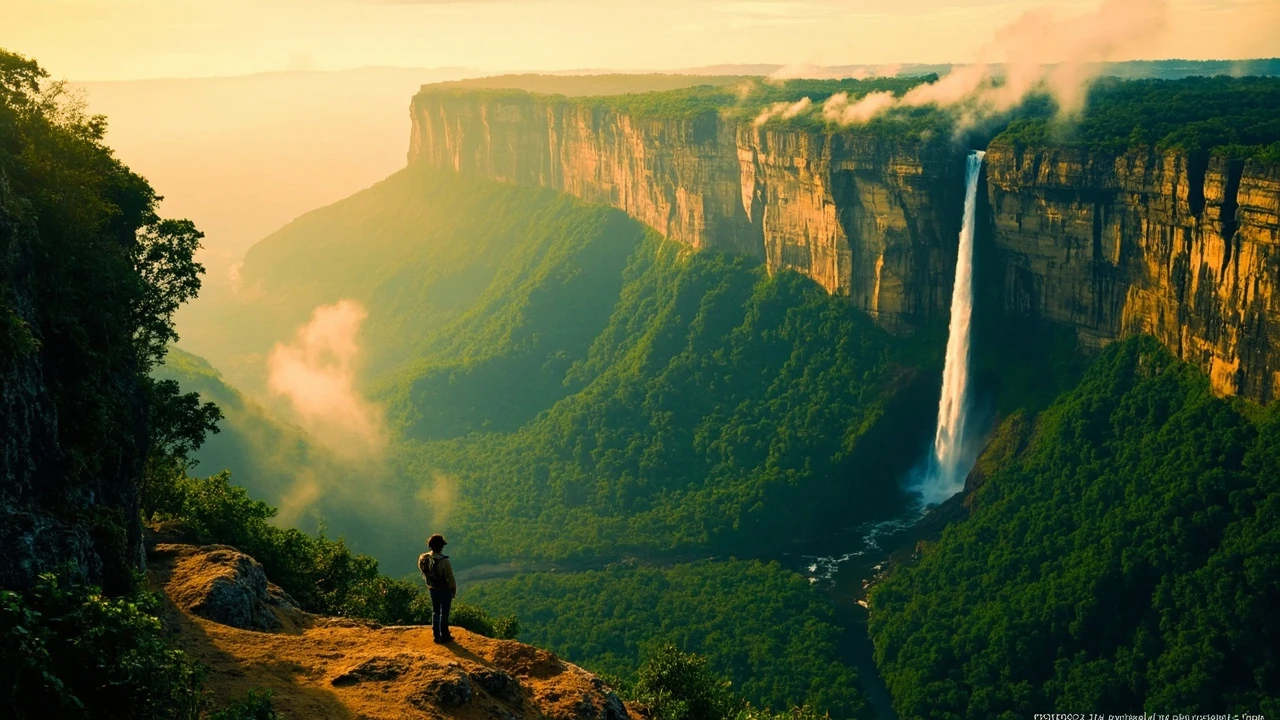
Angel Falls is the destination many travelers immediately associate with Venezuela. The waterfall drops from Auyán-tepui, one of the immense sandstone formations that shape the country’s southeastern frontier. The scale is difficult to grasp from photographs: the cliff is part of a vast tabletop landscape, while the water appears as a narrow thread from many viewing angles. The base flight is by light aircraft, followed by an approach to the falls through rainforest.
Canaima, an Indigenous community beside a large lagoon within Canaima National Park, is the practical base for most visits. The journey combines river travel, forest paths, and a final boat or walking approach, depending on water levels and the route selected by the operator. Conditions can change, and an itinerary should leave room for adjustments rather than treating the flight and trail as a tightly timed transfer between airports.
Travelers seeking a direct encounter with the falls should not treat the lagoon cruise as a substitute. The lagoon, rivers, and nearby viewpoints provide their own scenery, but the celebrated waterfall experience requires the dedicated excursion beyond the usual shoreline routes.
Los Roques and Venezuela’s Caribbean islands
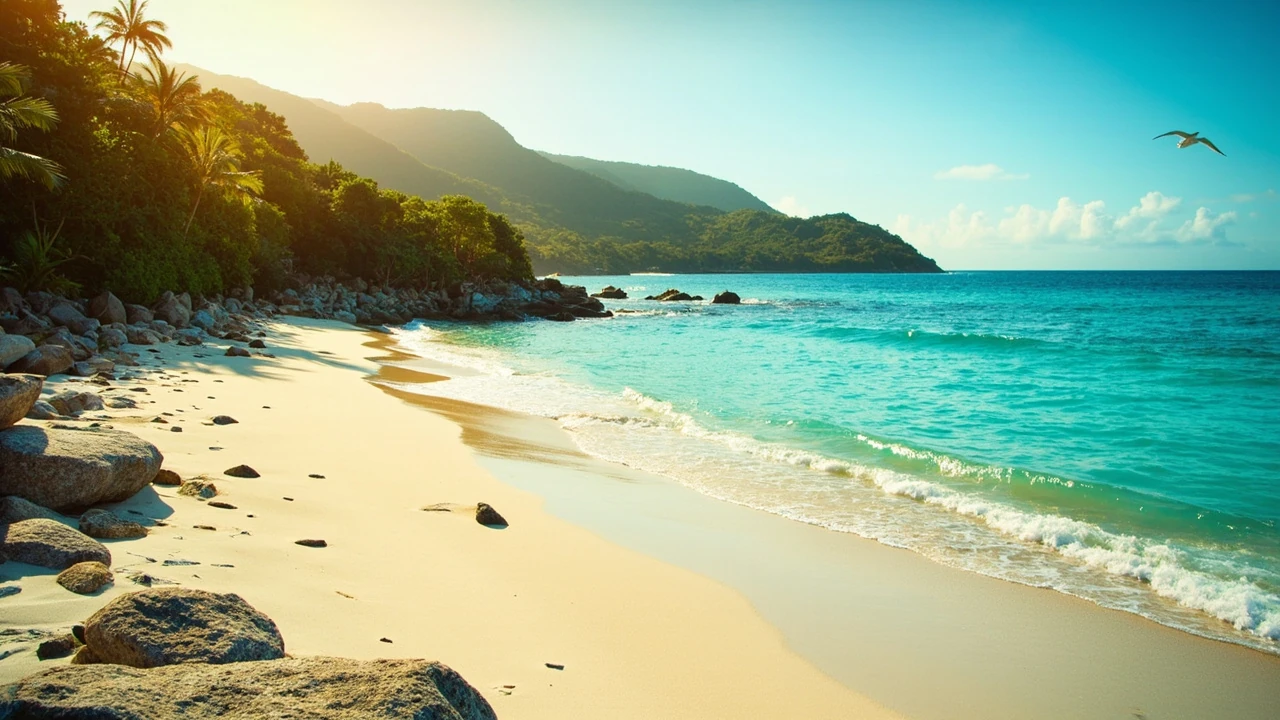
Los Roques is an archipelago about 175 kilometers north of the mainland coast. It is associated with shallow turquoise water, coral formations, beaches, and recreational boating. Gran Roque is the principal settlement and the most practical base for many island trips, although quieter island accommodations are available.
The main activities include snorkeling, sailing, diving, fishing, and boat excursions to sandbars and smaller cays. Weather affects visibility and the feasibility of some trips, so a sensible island plan includes more than one potential activity day. A single canceled outing should not leave the schedule empty.
Los Roques is also the easiest major destination to combine with Caracas by air, which makes it a sensible choice for a short trip. It is less suitable for travelers who want major museums, dense city neighborhoods, or a broad view of Venezuelan history because those experiences are concentrated on the mainland.
Mérida, the Andes, and mountain towns
Mérida sits in a high valley within Venezuela’s western mountain chain. It serves as a base for the Picos de Maracay region and for nearby highland landscapes. The city is also known for its mountain setting, university culture, and access to routes into the páramo, an ecosystem found at the highest elevations.
Los Picos de Maracay National Park is the principal outdoor destination. Altitude, weather, and the condition of trails can affect what is practical on a given day. Visitors should follow local park guidance, carry suitable layers, and avoid treating a mountain route as an ordinary city walk.
Colonia Tovar, reached through the highland region north of Mérida, is a smaller and more distinctive stop. Its cool mountain setting and German-influenced heritage offer a contrast to the tropical coast. The road itself is part of the experience, but travelers should plan for possible delays and should not attempt a full day of sightseeing and a long return journey without allowing a buffer.
Morrocoy, Choroní, and the northwestern coast
The coast around Puerto Colombia, Choroní, and Morrocoy is one of Venezuela’s strongest areas for beaches, wildlife, and accessible outdoor experiences. Morrocoy National Park is particularly associated with coastal ecosystems, mangroves, and seasonal coastal birdlife. The park’s value depends on timing and conditions, so visitors should confirm what is available locally rather than expect every habitat to be equally rewarding on a short visit.
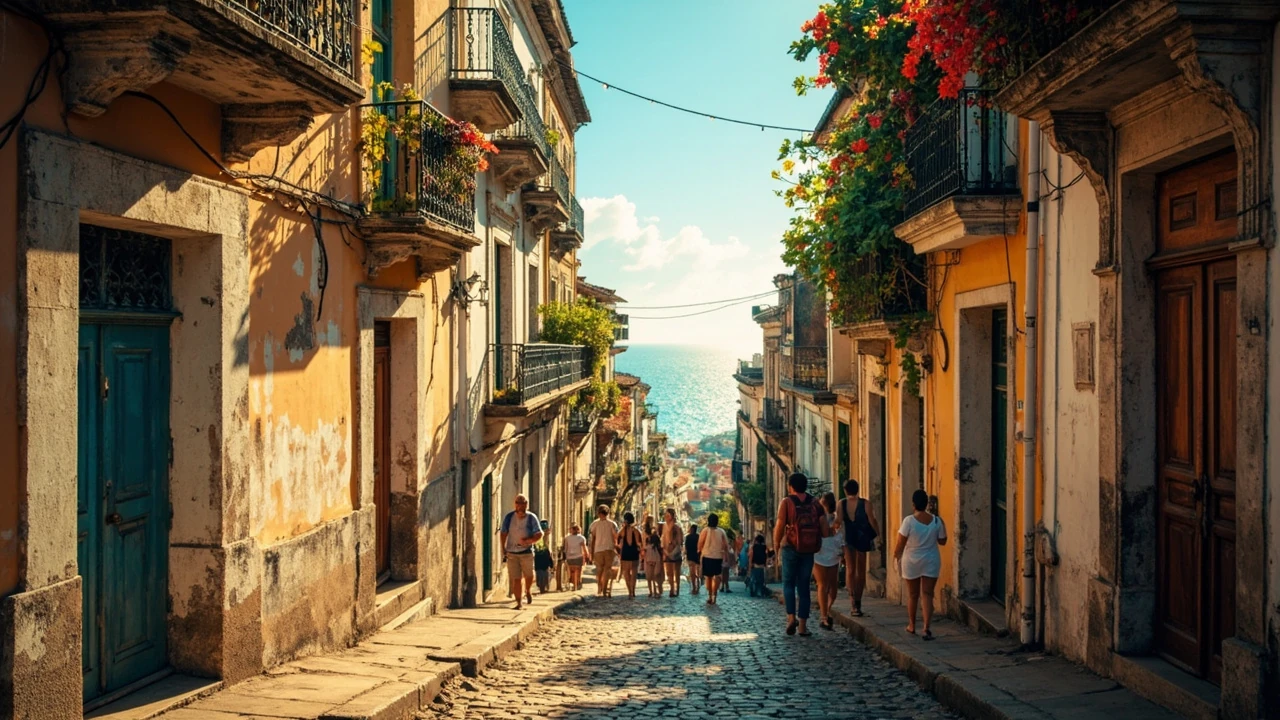
Choroní has a long beachfront and a town center where the compact urban area meets the Caribbean. Puerto Colombia adds historical interest through its role in Venezuelan commerce and its surviving colonial-era structures. These places work well as a coastal route, but they should not be reduced to interchangeable beach stops.
Nearby islands, mangroves, and fishing communities offer a different experience from a resort day. Responsible operators can explain local ecology and avoid treating wildlife as a backdrop. The best choices are those with clear limits on group size, waste disposal, and wildlife disturbance.
Colonia Tovar and the highland route
Colonia Tovar rewards travelers who have time for the slower rhythm of Venezuela’s mountains. Its compact center, surrounding slopes, and distinct cultural history make it more than a convenient stop on the road between cities. The settlement works well for a weekend rather than a rushed afternoon.
Highland conditions require a different packing strategy from the coast. Temperature and weather can vary with elevation, and rain can affect roads or trails. Carryable layers, reliable footwear, and a willingness to revise outdoor plans are more useful than a large amount of luggage.
Médanos de Coro and the desert coast
The Médanos de Coro, near Coro on Venezuela’s northwestern coast, are the country’s major dune landscape. Large dunes rise beside the sea and shift with prevailing winds. The stark combination of sand, scrub vegetation, and ocean creates a visual break from the humid forests and beaches found elsewhere.
Because the dunes are an active natural environment, the appropriate visit depends on local guidance, weather, and protection of the landscape. Climbing unstable sand faces can be dangerous, and leaving marked routes can damage fragile vegetation. Responsible operators should explain where visitors can walk and what conditions make an excursion unsafe.
Coro also has historical value as a former colonial administrative center and provides a more varied experience than a dunes-only excursion. The town and surrounding landscape can be paired, but travelers should preserve enough time for the desert itself rather than turning it into a brief photo stop.
What kind of Venezuela trip will suit you?
The best destination depends less on a checklist of famous names than on the kind of experience you want. A flight to a remote waterfall, an island stay, and a highland road trip involve different tolerances for uncertainty, transport times, and physical demands.
| Travel style | Best starting point | Why it works | Important limitation |
|---|---|---|---|
| First-time nature trip | Canaima and Angel Falls | Offers Venezuela’s most dramatic landscape and a clear focal point. | Remote access requires careful operator selection and schedule flexibility. |
| Short beach break | Los Roques | Combines easy air access with reefs, beaches, and boat-based activities. | It is an island destination rather than a full-country sightseeing experience. |
| Active mountain trip | Mérida and Los Picos de Maracay | Supports highland towns, trekking, cool temperatures, and outdoor routes. | Altitude, weather, and trail conditions require preparation. |
| Wildlife and coast trip | Morrocoy and Choroní | Combines beaches with mangroves, birds, and coastal landscapes. | Wildlife encounters depend on season, conditions, and local operators. |
| Culture and road journey | Coro, Puerto Colombia, and the northwest | Links desert scenery, colonial history, and coastal stops. | Longer road transfers can consume more time than expected. |
For dramatic scenery
Choose Angel Falls, Canaima, and the tepui landscape. This is the route with the lowest tolerance for rushing because weather, river conditions, and flights can shape the schedule. Give the trip at least several days, even if the direct flight and waterfall excursion occupy only a portion of the itinerary.
For relaxation and water activities
Choose Los Roques. The archipelago is more suited to a resort-style rhythm than a sightseeing checklist. Boat trips, snorkeling, and beach time can fill several days without requiring a constant change of accommodation.
For hiking and mountain scenery
Choose Mérida and the Picos de Maracay region. This option appeals to travelers who want outdoor days but still prefer staying in towns with restaurants and services. Colonia Tovar can extend the route north through a different highland environment.
For beaches and wildlife
Choose the Morrocoy and Choroní coast. Look for operators that explain local ecosystems and plan activities around seasonal birdlife and marine conditions. Puerto Colombia adds history, making it worthwhile for travelers who want more than a beach weekend.
For landscapes unlike Venezuela’s tropical image
Choose the Médanos de Coro. The desert coast offers a strong contrast with the country’s better-known forests, islands, and mountains. It also works well with Coro for travelers interested in regional history.
Sample itineraries for three different trip lengths
An itinerary should create a coherent route rather than connect every point of interest. These examples show how to allocate time based on the traveler’s priorities. They are models, not fixed schedules; local transport availability and current conditions may require changes.
A seven-day highlights itinerary
- Days 1–4: Canaima and Angel Falls. Allow several days for the flight, river approach, guided excursion, and recovery from a demanding outdoor day.
- Days 5–6: transfer north toward the coast. Use a verified local connection and select an overnight stop based on the actual transport route.
- Day 7: Los Roques or a coastal option. Add an island or beach experience only if the onward schedule leaves enough time to avoid a rushed transfer.
A ten-day mountains-and-coast itinerary
- Days 1–3: Mérida. Explore the city, use it as a mountain base, and schedule time for the páramo environment.
- Days 4–6: Los Picos de Maracay. Build in a weather day because trail and road conditions can change.
- Days 7–8: Colonia Tovar. Travel north at a measured pace and stay long enough to experience the settlement.
- Days 9–10: Puerto Colombia, Choroní, or Morrocoy. Choose one coastal focus rather than attempting several distant stops.
A fourteen-day region-by-region itinerary
- Days 1–5: Los Roques. Leave space for boats, reefs, weather delays, and relaxed island days.
- Days 6–9: Canaima and Angel Falls. Transfer south, settle into the region, and take the principal excursion without compressing the route.
- Days 10–12: Mérida and the western mountains. Use Mérida as a base for highland activities.
- Days 13–14: the northwestern coast or Médanos de Coro. Select the section that matches your interest in wildlife, history, or desert scenery.
These schedules deliberately omit the temptation to combine the Guiana Shield, Andes, northwest coast, and islands in a short trip. The travel time between regions makes a compressed itinerary tiring and increases the chance that the best experiences will be reduced to hurried visits.
When to visit each area
Venezuela spans tropical, arid, and highland environments, so the best travel period varies by destination. There is no single season that works equally well everywhere.
- Los Roques and the Caribbean coast: Conditions can be favorable outside the wettest periods, but boat visibility and water activities depend on local weather. Build activity flexibility into the stay.
- Canaima and Angel Falls: River levels and flight conditions influence the experience. The excursion should never be scheduled so tightly that a delayed flight leaves no alternative.
- Mérida and the Andes: Mountain weather can change quickly. The clearest highland views often come after unsettled conditions pass, while rain can affect roads and trails.
- Morrocoy and Choroní: Coastal wildlife and bird activity vary seasonally. Ask local specialists about current conditions and keep flexible days near the park.
- Médanos de Coro: Wind and weather affect both the appearance and accessibility of the dunes. Use local guidance and avoid routes closed for safety or environmental protection.
Because the country’s weather systems do not produce one uniform nationwide travel calendar, choose the season for your selected region rather than for the country as a whole. A beach traveler and a highland trekker should not use the same expectation for rain, heat, or trail conditions.
Transport and practical logistics
Transport is one of the largest differences between Venezuela and better-connected destinations. Flight routes, road conditions, local availability, and border or regional restrictions can all affect the itinerary. The most important rule is to confirm each connection directly with a reputable local provider rather than assuming that a route shown online operates on a convenient schedule.
- For remote destinations: Use operators who can explain the vehicle, river transfer, park permissions, guide arrangements, and contingency plan for each activity.
- For city connections: Confirm the airline, terminal, baggage allowance, pickup location, and time allowed for international connections.
- For road journeys: Travel during daylight, keep copies of essential documents, and avoid schedules with no margin for road or weather delays.
- For payment and communication: Ask the operator which costs are included, what must be paid locally, and how you will remain reachable during remote excursions.
Travel insurance is especially important because emergency care and evacuation arrangements may be limited outside major cities. The For additional context, CDC’s Venezuela traveler guidance recommends consulting a clinician before travel, reviewing vaccines and medicines, preventing mosquito bites, avoiding fresh water, and considering medical evacuation coverage. It also notes that motor-vehicle crashes are a leading cause of death among healthy U.S. citizens abroad and advises travelers to remain alert to mixed traffic conditions.
Those points affect destination selection directly. The Angel Falls excursion involves aircraft and boats; remote lodges may be reached by road or river; and island transfers cross open water. Safety planning should be part of booking the destination, not a box checked after tickets are purchased.
Health and safety preparation for each destination
Health preparation begins before choosing the final route. Visit a travel-health professional at least a month before departure when possible, as the CDC advises. Bring prescriptions and essential medicines in their original labeled packaging, and ask your clinician whether the specific regions on your itinerary require additional precautions.
Water and food
Use safe drinking water and be cautious with food sold in places where handling and refrigeration are uncertain. Fresh water is not limited to tap water. The CDC identifies schistosomiasis and leptospirosis as infections that can be spread through fresh water in Venezuela, so swimming in unchlorinated lakes, ponds, or rivers should be avoided.
Insects
Mosquitoes, ticks, and fleas can spread diseases, and vaccines do not protect against many of them. Use repellent, protective clothing, and accommodations that help limit insect exposure. Malaria occurs in some parts of Venezuela, so travelers entering designated risk areas should discuss antimalarial medication with a clinician and follow the prescribed schedule.
Animals
Do not touch dogs, bats, monkeys, marine animals, or snakes. Bites and scratches require prompt medical attention because rabies is a serious concern. If bitten or scratched, wash the area and seek medical care immediately; do not wait to see whether a reaction develops.
Remote excursions
Consider medical evacuation insurance, particularly for Angel Falls, island transfers, and remote coastal or mountain routes. Ask what the policy covers, how authorization works, and whether the destination has the treatment and transport infrastructure assumed by the policy. Emergency care may not meet U.S. standards, and trauma facilities can be uncommon outside urban areas.
For road travel, identify whether the driver is experienced on the specific route and whether the vehicle is appropriate for local conditions. Avoid roadside motorcycle trips without understanding the operator’s safety record and insurance arrangements. The destination may be excellent, but transport is the point where a carefully planned trip can become dangerous.
Responsible travel and community connections
Responsible travel matters most in places where visitors arrive with more money, equipment, or access than local residents. The objective is not to avoid contributing to the local economy; it is to ensure that money reaches local guides, accommodation providers, restaurants, transport operators, and craftspeople rather than disappearing through an unclear booking chain.
- Ask locally operated guides to explain the landscape, ecology, and cultural significance rather than treating Indigenous and rural communities as scenery.
- Choose boats and tours with reasonable passenger limits, safety equipment, and clear waste practices.
- Keep to established trails and access points in parks, dunes, reefs, and wildlife areas.
- Purchase crafts directly from makers when possible and ask about materials and origin rather than assuming every item was produced locally.
- Avoid activities that exploit animals, damage coral, disturb nesting birds, or take freshwater wildlife from protected areas.
At populated destinations, support locally owned lodging and food businesses where practical. In remote areas, ask what happens when weather disrupts a trip and whether contingency plans rely on local support. A transparent operator should explain both the itinerary and the limits of that itinerary.
Respect also applies to photographs and conversations. Ask before photographing people, particularly in communities where you are a guest rather than part of a tour group. Keep voices down around wildlife and avoid sharing precise locations of fragile or vulnerable sites if doing so could lead to overcrowding.
Frequently asked questions
What is the best place to visit in Venezuela for a first trip?
Angel Falls is the most iconic choice, while Los Roques is often more practical for a first visit because it offers a defined island destination with fewer internal transfers. Choose Angel Falls for a dramatic landscape expedition and Los Roques for beaches, snorkeling, and a slower pace. Both require advance planning and responsible local operators.
How many days should I spend at Angel Falls?
Allow at least three or four days in the broader Canaima region for a comfortable trip. The waterfall excursion may occupy only part of that period, while flights, river transfers, weather, and trail conditions can require flexibility. A rushed same-day or one-night plan increases stress and reduces the chance of recovering if conditions change.
Is Los Roques suitable for a family vacation?
It can be, particularly for travelers who enjoy boating, snorkeling, and beach time. Families should confirm age requirements for specific excursions, the availability of appropriate flotation equipment, and the island’s medical and transport arrangements. Calm seas on one day do not guarantee calm conditions on every outing.
Can I visit the Picos de Maracay from Mérida?
Mérida serves as a useful base for the Venezuelan Andes, and experienced local operators can arrange routes toward the Picos de Maracay region. Do not treat the journey as a casual self-drive. Confirm current access, road conditions, altitude effects, guide requirements, and weather with local specialists before committing to the route.
What is the best Venezuelan island for snorkeling?
Los Roques is the principal choice for a varied island itinerary because it combines coral scenery, shallow-water snorkeling areas, and boat access to smaller cays. Visibility depends on conditions, and no operator should guarantee wildlife sightings or unlimited access to every site. Leave time for more than one potential outing.
Do I need a guide for Médanos de Coro?
A local guide is strongly recommended for anyone unfamiliar with the dunes. Sand conditions, wind, heat, and protection of fragile vegetation affect which routes are suitable. A responsible guide will explain where walking is permitted and when conditions make an excursion unsafe.
What should I pack for a Venezuela trip?
Pack by region. The Andes and Colonia Tovar need layers and suitable trail footwear; beaches and islands need sun protection, swimwear, and insect repellent; and remote trips require a headlamp, water treatment, copies of documents, and a small first-aid supply. The CDC recommends consulting a travel-health professional and checking its healthy travel packing list for Venezuela.
Are the coastal destinations near Choroní and Morrocoy safe for swimming?
Marine conditions vary by beach, tide, and weather, and currents can be stronger than they appear. Follow local advice about designated swimming areas and avoid entering rough water near exposed sections of coast. The CDC also recommends avoiding fresh water in unchlorinated lakes, ponds, and rivers because of schistosomiasis and leptospirosis.
Can one trip cover Angel Falls, Los Roques, and Mérida?
It is physically possible, but it is rarely the best use of a short holiday. The internal transport burden is substantial, and each destination needs time beyond airport transfers. For a first trip, choose one region. For a longer visit, combine two destinations with related geography or a deliberate overnight route rather than adding every major name to the schedule.
How should I choose a tour operator in Venezuela?
Ask who owns or operates the company, what vehicles and boats will be used, whether guides are trained, what permits or insurance apply, and what happens if weather disrupts the plan. The answer should be specific rather than a promise that every attraction is guaranteed. Payment terms, inclusions, cancellation rules, and emergency procedures should be clear before payment.