Peru landmarks: how to choose the right places for your first trip
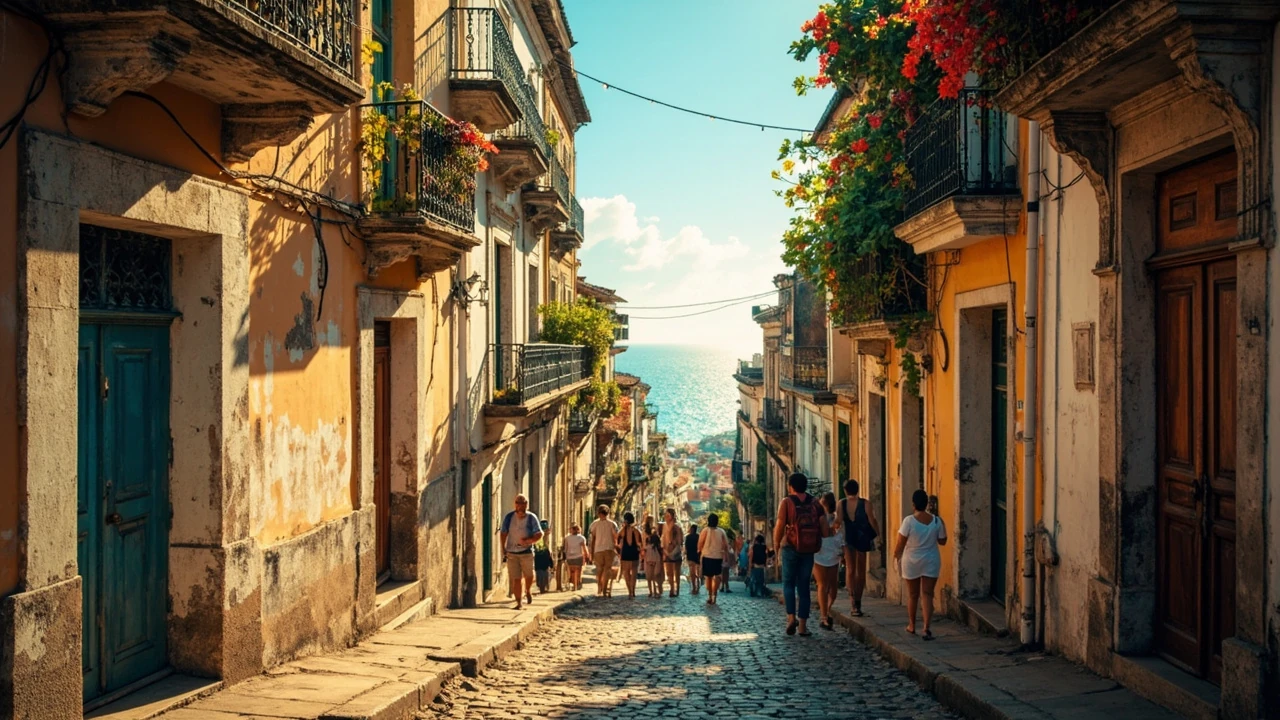
A first visit to Peru can feel surprisingly difficult to plan because the country’s most memorable sites are spread across different landscapes and travel networks. Machu Picchu alone may justify a long journey, but Cusco rewards travelers who look beyond its stone walls, Lima offers museums and coastal scenery, and places such as the Sacred Valley, Lake Titicaca, Nazca, and the Amazon lead to entirely different experiences. Choosing too many distant stops can leave you changing hotels before you have absorbed any of them.
The best approach is to select two or three regions rather than attempting to see every famous attraction. Start by deciding what kind of history, landscape, and pace you want, then place the strongest Peru landmarks around those priorities. This guide explains how to compare the major destinations, what each place is best for, how to build a manageable itinerary, and where practical problems such as altitude and transport are most likely to affect your trip.
One useful warning is that familiar names do not always tell you what a visit involves. Machu Picchu is an archaeological site reached through a mountainous region; Cusco is a living city built over an Inca capital; the Sacred Valley contains settlements, markets, and Inca engineering across an entire valley; and Nazca requires an organized flight over a landscape that is difficult to interpret from the ground. The name on a travel checklist is only the beginning of the decision.
Compare Peru’s major landmark regions before booking
Peru’s landmarks are concentrated in three broad travel settings: the high Andes, the arid southern coast, and the low-lying Amazon basin. The coast also contains Lima, while the Andean region extends from Cusco and the Sacred Valley to Machu Picchu. These regions differ in climate, elevation, travel pace, and the kinds of activities that fill a day.
| Region | Best-known places | Best for | Main planning challenge |
|---|---|---|---|
| Cusco and the Sacred Valley | Cusco, Ollantaytambo, Pisac, Machu Picchu | First-time travelers, Inca history, markets, mountain scenery | Altitude and road travel can make the itinerary tiring |
| Southern coast | Larco Museum, Huaca Pucllana, Nazca Lines, Paracas | Archaeology, museums, desert landscapes, fewer altitude concerns | Long distances and limited transport between small destinations |
| Lake Titicaca | Uros and Taquile islands, Puno | Island communities, lake scenery, a slower cultural break | Altitude remains significant despite the lake setting |
| Amazon | Puerto Maldonado, lodges along the Madre de Dios or Tambopata | Wildlife, river travel, birdwatching, rainforest scenery | Remote access and weather-dependent activities |
| Northern archaeological route | Chan Chan, Huanchaco, Kuelap | Less crowded history, desert coast, regional food | It is a separate journey from the southern highlights |
For most first-time visitors, the Cusco area offers the strongest concentration of major Peru landmarks. It allows travelers to see Machu Picchu, walk through several historic towns, and experience Andean landscapes without adding another major flight. Lima is a useful addition when museum time, food, and a lower-elevation arrival matter more than additional archaeology. Lake Titicaca and the Amazon should be chosen for a specific interest rather than squeezed into a short itinerary.
A simple way to assign each place a priority
- Must-see: A place central to the reason for your trip and worth giving a full day or more.
- Strong addition: A place that adds a distinct environment or experience with a reasonable transfer.
- Only if your pace allows: A destination that is worthwhile but easily separated from the rest of the route.
- Skip for this trip: A place that requires a long detour without offering something you specifically want.
Assigning priorities before booking helps prevent a familiar travel mistake: creating a list of famous sites and treating every stop as equally important. A trip centered on Inca engineering might include Machu Picchu, Ollantaytambo, and the Cusco archaeological zone. A trip centered on food and urban culture might use Lima as the main base, with a separate Andean extension. Both approaches can produce a coherent itinerary.
Machu Picchu and the Sacred Valley: what to prioritize
Machu Picchu is the obligatory choice for most visitors, but its surrounding region deserves planning too. The Sacred Valley lies northwest of Cusco and contains Urubamba, Ollantaytambo, Pisac, Moray, Maras, and the salt ponds near Maras. Staying in one of the valley towns can reduce backtracking and make it easier to visit several places before or after the citadel.
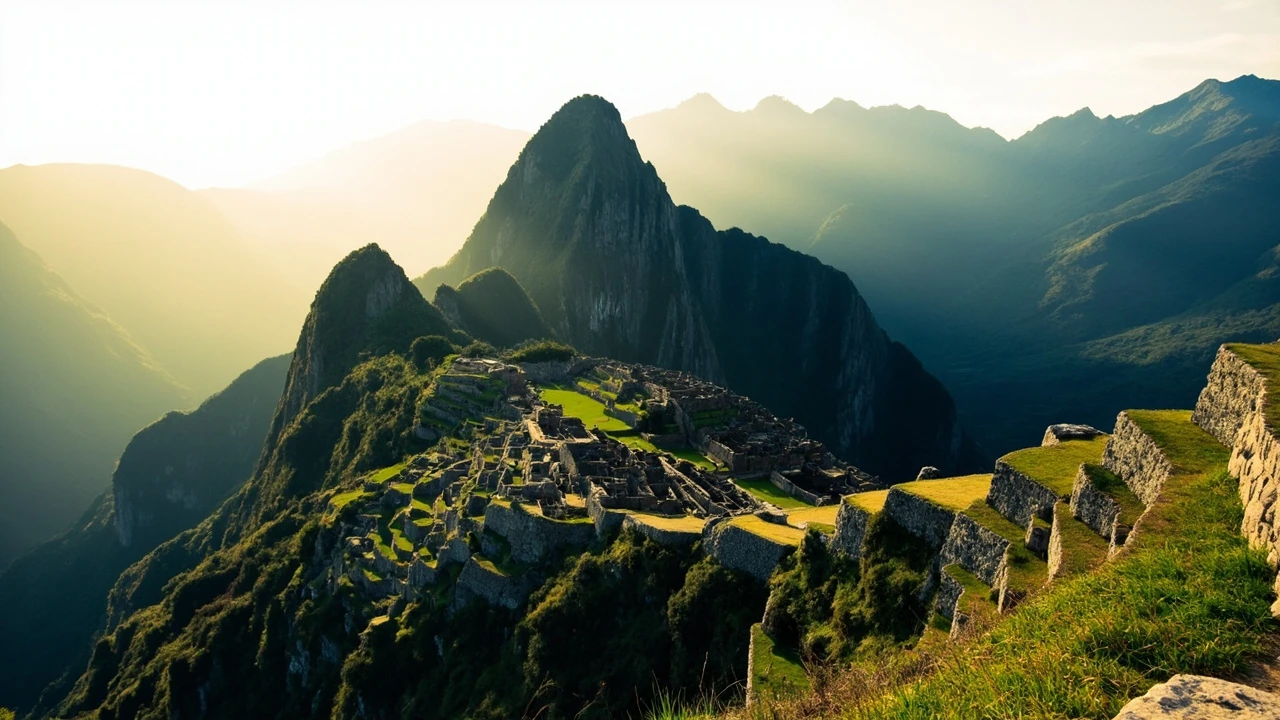
Machu Picchu was built during the fifteenth-century Inca period on a ridge overlooking the Urubamba valley. Its terraces, temples, residences, water channels, and mountain setting are central to its appeal, but access conditions matter. Visitors normally combine a train journey with the final bus and walking segment, while some routes require additional hiking. The available route can change, and tickets for particular circuits may be limited. Confirm the current entry requirements, operating arrangements, and site access with authorized providers before travel.
A BBC audio exploration of Machu Picchu and its remaining archaeological questions notes that the site was almost forgotten for more than three centuries before international attention returned in the early twentieth century. Excavations and research have continued, yet questions about the settlement’s origins, population, and abandonment remain active subjects of discussion. That background adds useful context: Machu Picchu is not merely a preserved visual masterpiece but an archaeological site whose interpretation continues to evolve.
Give Machu Picchu enough time to move beyond the first terrace. The famous views are important, but the site also rewards attention to construction details, drainage, terraces, and the relationship between the built area and the landscape. Wear footwear with good grip, carry water, and allow more effort than you may expect at lower elevations. The weather can change quickly in the Andes, so a rain layer is more useful than an assumption that conditions will remain clear.
| Place | What you actually experience | Best allocation | Who should prioritize it |
|---|---|---|---|
| Machu Picchu | Inca architecture, mountain views, archaeological interpretation, moderate physical effort | A full day including transfers | Nearly every first-time visitor |
| Ollantaytambo | A living town built around Inca terraces and a large archaeological complex | Half a day to a full day | Travelers interested in both daily life and monumental engineering |
| Pisac | A market town known for archaeological sites, terraces, and views across the valley | Half a day | Visitors who want a flexible Sacred Valley stop |
| Moray and Maras | Concentric terraces and salt-production landscapes | Half a day | Photography, landscape, and less conventional valley stops |
Do not treat the Sacred Valley as a series of quick photo stops. Ollantaytambo and Pisac both reward slower exploration. Markets can be lively, but they are also working community spaces. Ask before photographing individuals, buy food respectfully, and keep local routines in mind. An itinerary that allows time for a walk, a meal, and an unhurried market visit is usually more rewarding than one built around maximizing the number of landmarks reached.
Cusco: a living city built over an Inca capital
Cusco is where the layered history of Peru landmarks becomes easiest to understand because Inca stonework, colonial churches, painted convent walls, plazas, and modern daily life occupy the same compact urban space. The city developed beneath and around earlier structures, so a visit works best as a walk through overlapping periods rather than a search for one isolated monument.
The Qorikancha, the main plaza, San Pedro Market, the Cathedral, and the narrow lanes around the center provide an easy introduction. The Sacsayhuamán complex above the city is essential for understanding the scale of Inca stonework. Q’enqo, an archaeological site associated with carved rock formations, adds another stop within the urban area. These places can be combined in a walking day, although visitors should adjust the pace according to altitude, weather, and personal energy.
How much time does Cusco deserve?
- One full day: Enough for the historic center, a major archaeological site, nearby food, and a slower first orientation.
- Two full days: A better choice for first-time visitors who want time for museums, neighborhoods, viewpoints, and recovery from travel fatigue.
- An overnight plus a morning: Workable for a short trip centered on Machu Picchu, but it leaves little room to experience Cusco at an easy pace.
Cusco sits at a high elevation, and arriving directly from sea level can cause headaches, fatigue, nausea, or shortness of breath. Travel light, avoid alcohol at first, eat regular meals, and consider giving your body time to adjust before a demanding hike. The symptoms can occur even in otherwise healthy travelers. Anyone with a medical condition should seek individualized advice before the trip rather than relying on a generic packing list.
Choose accommodation according to how you value mobility. Staying near the historic center makes early walks and access to restaurants straightforward, but it can also mean more street and plaza noise. A room with reliable heating matters in cool weather, and a firm mattress may matter more than a small price difference when altitude makes sleep difficult. Check the property’s actual location and current conditions rather than relying on a generic “central” label.
To place the city’s monuments within the longer development of Andean societies, read the site’s companion article on Peru history before the Inca. Machu Picchu and Cusco represent the height of imperial expansion, but they did not emerge from an empty landscape. Earlier agricultural societies, regional cultures, trade, and environmental adaptation explain much more about the ruins you encounter.
Lima’s landmarks: museums, huacas, and coastal geography
Lima provides a different introduction to Peru. The capital sits beside the Pacific, and its central districts contain colonial-era architecture, modern neighborhoods, excellent food, and major museums. Lima is also a practical place to begin or end a trip because it is at a much lower elevation than Cusco, reducing the strain of an immediate move into the highlands.
The Larco Museum is a common first choice for travelers interested in pre-Columbian art and archaeology. Its collection covers long stretches of Peru’s ancient cultures rather than focusing on one site. The Huaca Pucllana compound in Miraflores offers a different kind of archaeological experience within an urban setting, with a reconstructed adobe building that helps explain how a major ceremonial center may have looked. Walking through central neighborhoods such as the historic center and Barranco reveals the city’s architecture and relationship with the coast.
| Lima stop | Why it matters | Best time | Practical consideration |
|---|---|---|---|
| Larco Museum | Broad context for ancient Peruvian art, objects, and archaeology | Morning or the quieter part of the afternoon | Allow a substantial visit rather than a quick stop |
| Huaca Pucllana | Archaeology embedded in a modern coastal city | Late morning or late afternoon | Combine with a Miraflores or Barranco walk |
| Historic center | Colonial streets, churches, courtyards, and central plaza | Late morning into evening | Security and traffic vary by district and time |
| Barranco and the coast | Modern culture, parks, ocean views, restaurants, and street art | Late afternoon and evening | Use appropriate city and coastal planning |
Do not make Lima a single-night stop. Many visitors treat it as a waiting room for a flight, then miss the layers that make it distinctive. One or two days allow enough time for a museum, a neighborhood walk, a good meal, and a coastal viewpoint. If your trip is short, those days may be better spent in Lima rather than adding another distant archaeological region.
Lima also works well as a multi-day base for the southern coast. Nazca, the Ballestas area, Paracas, and nearby desert scenery require substantial travel, so one landmark consumes more time than the distance on a map suggests. A flight over the Nazca Lines can reveal patterns that are impossible to read from ground level. Travelers who cannot fly may find the landscape and nearby sites less compelling, although the wider coastal region offers alternatives.
Lake Titicaca, Nazca, and the Amazon: choose one alternative route
When travelers finish the Cusco and Sacred Valley highlights, they often add another destination automatically. That can be a mistake. The best alternative depends on the experience you want, and adding one more region does not have to improve the trip.
Choose Lake Titicaca for communities and island scenery
Lake Titicaca is the practical choice for travelers who want a slower pace, highland scenery, and a change of pace after the intensity of Cusco. Puno provides access to the Uros floating islands and the island of Taquile, where visitors can walk between settlements and observe a way of life shaped by the lake. The high elevation can still affect travelers who felt little in Lima, so acclimatization remains important.
Choose Nazca for desert archaeology and aerial views
The Nazca Lines are best understood through the surrounding desert landscape and from above. Flight lines are restricted and can be affected by weather, so this stop works best when scheduled before the main portion of a trip rather than at the last minute. It also adds another travel leg from Lima. If the flight is a priority, reserve enough time and be prepared for schedule changes.
Choose the Amazon for wildlife and rainforest activity
An Amazon stay shifts the focus from monumental stonework to rivers, forest, birds, and wildlife. A Puerto Maldonado stay can work as an access point for lodges in the Madre de Dios area, while the Tambopata side offers a different regional setting. Lodge-based trips often involve boat travel and activities whose timing depends on river conditions, weather, and wildlife movement. Remote connectivity is limited, so confirmed bookings and realistic expectations matter.
| Alternative | Strongest reason to choose it | Travel style | Best fit |
|---|---|---|---|
| Lake Titicaca | Island communities and a gentler highland landscape | Multi-day lake and island journey | First-time travelers who want one change of pace |
| Nazca | Desert geoglyphs and the experience of seeing them from the air | Short but travel-intensive southern coast extension | Travelers with a specific interest in the lines |
| Amazon | Rainforest ecology and wildlife | Lodge stay with guided river or forest activities | Nature travelers who want a clear change from archaeology |
These alternatives should not be treated as interchangeable day trips. A sensible itinerary uses one as a meaningful extension and leaves the others for another visit. The strongest collection of Peru landmarks is not the one with the most names; it is the one whose stops form a coherent story.
Build an itinerary that accounts for altitude, travel days, and energy
A practical itinerary accounts for more than sightseeing time. Long vehicle transfers, airport procedures, early departures, heat, rain, and altitude all consume energy. A day with two large archaeological sites may sound manageable on paper but become difficult when each site involves stairs, uneven ground, and significant sun exposure.
Use this sequence when comparing options:
- Choose the main region. For most travelers, this means Cusco and the Sacred Valley.
- Add one contrasting experience. Choose Lima for culture and museums, Titicaca for island communities, or the Amazon for wildlife.
- Place arrival and departure days deliberately. Do not schedule a demanding landmark immediately after a long flight.
- Alternate intense and light days. Pair a major site with a slower neighborhood walk, market visit, museum, or rest period.
- Protect the most important experience. If delays occur, reduce the number of minor stops rather than sacrificing Machu Picchu or the best available day in your chosen region.
| Trip length | Practical structure | Best approach |
|---|---|---|
| Short first visit | Lima plus Cusco and Sacred Valley | Focus on one excellent archaeological experience rather than chasing distant stops |
| Moderate trip | Two or three days in the Cusco region, with Lima before or after | Add Machu Picchu, one Sacred Valley town, and a light day in Cusco |
| Longer journey | Cusco region, one major extension, and a final city stay | Add Titicaca, Nazca, or the Amazon without turning every day into a transfer |
Travel days count as days, even when no major landmark appears on the calendar. This is especially important for people using tours, because a day spent moving between destinations can feel less restorative than expected. Where possible, arrive a day before an activity that requires a specific route or early start. That buffer can protect the rest of the itinerary when a road, flight, or river connection changes.
Pack by destination rather than by a single “Peru” list. The highlands need layers, sun protection, reliable footwear, and a compact day bag. The coast needs lighter clothing, sun protection, and a plan for long drives. The Amazon calls for lightweight clothing that dries quickly, insect-repellent use, and respect for lodge guidance about wet environments. Avoid bringing so much luggage that moving between vehicles becomes difficult.
Questions to ask before paying for a tour
- How long is the full day actually spent in transit?
- Which sites are included, and how long will the group have at each one?
- Is the visit independent, or will the schedule depend on other passengers?
- What happens if weather, road conditions, or flight schedules change?
- Are entrance arrangements handled by the provider, and what must the traveler confirm separately?
- Does the price include meals, transfers, guide fees, or other items that could create surprises?
When to visit different Peru landmarks
Season choice depends on the places you most want to see. The Andes have wet and dry periods, while the southern coast and Amazon follow different weather patterns. Because conditions vary by elevation and region, a single national “best month” is misleading. The right answer depends on whether your priority is Machu Picchu, highland trekking, coastal desert sightseeing, or rainforest activity.
The dry season in the Cusco region generally offers more dependable conditions for major outdoor visits and easier walking between ruins. The wet season can bring heavy afternoon rain, muddy paths, greener landscapes, and occasional disruption to roads or services. It does not make travel impossible, but flexibility matters. A traveler whose main goal is Machu Picchu may value a clear morning more than the surrounding countryside’s color.
Along the arid coast, the climate differs from the Andes and the Amazon. Desert destinations such as Nazca can be intensely sunny, and coastal winds may shape how a visit feels. In the Amazon, rainfall is part of the normal operating environment. River levels, lodge transfers, and wildlife activity may change with conditions, so a robust itinerary avoids treating every hour as fixed.
| Primary priority | Seasonal decision | Main advantage | Main limitation |
|---|---|---|---|
| Machu Picchu and Sacred Valley | Prioritize the region’s drier period for easier outdoor sightseeing | More predictable walking and sightseeing conditions | Dry-season demand can be higher |
| Cusco and city-based museums | Choose a season that suits your tolerance for rain and slower travel | Many major sites can still be reached in poor weather | Some approaches can be slippery or affected by disruption |
| Lake Titicaca | Check island access and weather for the dates of your visit | A distinctive highland cultural landscape | Altitude and exposure remain concerns |
| Amazon | Choose dates that suit the lodge and expected river conditions | Rainforest access and guided activities | Some activities depend on conditions |
Plan around the specific attraction rather than around a national calendar. A visitor focused on one archaeological circuit can choose dates for that route. A traveler planning a broader journey should leave enough flexibility for regional differences. This is more useful than trying to find one month that is ideal for every part of Peru.
Events, holidays, and peak visitor periods can also affect availability. If your trip coincides with a major celebration, expect additional demand around transportation and lodging. Conversely, a traveler who values quiet, local surroundings might prefer a less busy period. Verify current conditions close to departure rather than relying on an old itinerary or an undated travel article.
A field checklist for visiting Peru landmarks responsibly
Responsible travel is mostly practical. Peru’s archaeological sites and living communities are not simply attractions to consume. How a visitor behaves affects conservation, access, and the people who host the journey.
- Follow site rules. Stay on marked paths, do not climb on fragile structures, and obey photography restrictions where they apply.
- Ask before taking close portraits. Markets, ceremonies, and working areas are part of community life, not staged scenery.
- Carry out waste. A refillable bottle and a small bag for disposable items reduce litter in fragile places.
- Support local services where it is practical. Local guides, family restaurants, small lodging businesses, and regional products can keep more tourism value within the destination.
- Do not touch wildlife or feed animals. This applies in the Amazon, at coastal sites, and around any animals encountered in daily life.
- Be honest about your impact. A well-planned group, appropriate footwear, and a pace matched to the group help reduce pressure on sites and local guides.
Environmental awareness is particularly relevant at Machu Picchu and in the Sacred Valley, where visitor volume, erosion, waste, and water use affect the site. Follow the current local guidance for luggage, entry times, routes, and restricted areas. Local rules may change as conservation plans evolve.
Another responsible choice is to avoid overloading your itinerary. Fewer landmarks can mean less concentrated foot traffic, more time for guides to explain their work, and more spending with locally owned services. It also gives travelers a better chance to understand how sites fit into the living landscape around them.
Keep a copy of your passport details, travel insurance information, emergency contacts, and accommodation details in an offline location. Remote areas may have limited connectivity even when the destination appears well connected on a map. Do not assume that a reliable network or a quick replacement travel document is available in every area.
Frequently asked questions
What are the most important Peru landmarks for a first visit?
For most first-time visitors, Machu Picchu is the leading priority, supported by time in Cusco and the Sacred Valley. Lima becomes especially important for museums, food, and a lower-elevation arrival. Travelers with a particular interest might replace one of those areas with Lake Titicaca, the Amazon, or the southern coast. The best list begins with your main interest rather than with every famous name.
How many days are needed to see Peru’s major sights?
A short trip can cover Lima, Cusco, and Machu Picchu if the itinerary remains focused. Adding the Sacred Valley, an acclimatization period, or a second region requires additional time. A week gives more room for a lake, coast, or Amazon extension, but transport days still reduce the number of full sightseeing days. The exact answer depends more on the number of regions than on the number of landmarks alone.
Should I visit Machu Picchu from Cusco or stay in the Sacred Valley?
Both approaches can work. Staying in the Sacred Valley can reduce backtracking and make it easier to combine Machu Picchu with towns such as Ollantaytambo or Pisac. Staying in Cusco offers more urban options and may suit travelers who want to experience the city at night. The best choice depends on your tolerance for transfers, preferred pace, and the exact travel arrangements available.
How much time should I allow for altitude in Cusco?
Allowing at least one relatively light day after reaching the high Andes is prudent, especially if you arrive directly from a lower elevation. How much time helps varies by person, and symptoms can develop despite careful preparation. Keep activity moderate at first, monitor how you feel, and seek medical guidance when symptoms are significant or persistent. Do not use a packed itinerary as a test of fitness.
Is the Sacred Valley worth visiting in addition to Machu Picchu?
Yes, if you have time. Ollantaytambo, Pisac, Moray, Maras, and the surrounding towns offer a more complete view of the Inca landscape and contemporary valley life. They are not merely waiting rooms for Machu Picchu. Choose the stops that interest you rather than racing through every attraction in the valley.
Is Lima a worthwhile stop if I am mainly interested in Machu Picchu?
Lima can be worthwhile as an arrival and departure point, particularly if you need time at a lower elevation. It also offers major museums and a strong food culture. If your available time is extremely limited, however, you may decide that an extra day in the Cusco region is a better use of your schedule. Compare the value of each night rather than adding Lima automatically.
Can I visit the Nazca Lines without flying?
You can reach the desert area and nearby sites, but the lines themselves are most readily appreciated from the air. A flight provides the perspective needed to understand their scale and shapes. If you do not fly, you are choosing a broader Nazca and coastal-desert experience rather than a straightforward aerial view of the geoglyphs.
What is the best way to choose between the Amazon, Lake Titicaca, and the coast?
Choose the Amazon for wildlife and rainforest scenery, Lake Titicaca for island communities and highland landscapes, and the coast for museums, desert archaeology, and Lima-based travel. These routes require different amounts of time and do not fit equally well into every itinerary. Pick the one that offers the clearest change from your main trip.
What should I pack for Peru’s major landmark sites?
Pack layers, sun protection, reliable walking shoes, water, and a compact day bag. Add rain protection and warmer clothing for the Andes, lighter clothing for the coast, and quick-drying items for the Amazon. Confirm the practical requirements of your specific tours and lodges, and keep personal medication accessible. Overpacking creates unnecessary weight on long transfers.
How do I avoid trying to see too many Peru landmarks?
Choose one main region, add no more than one major extension, and leave a light day near the beginning of the Andean portion. Rank each stop as a must-see, strong addition, optional stop, or place to skip. If something disrupts the schedule, remove the optional stop first. A focused itinerary produces more understanding and a more comfortable trip than a list of rushed arrivals.