The highlands of scotland: what to expect on a first trip
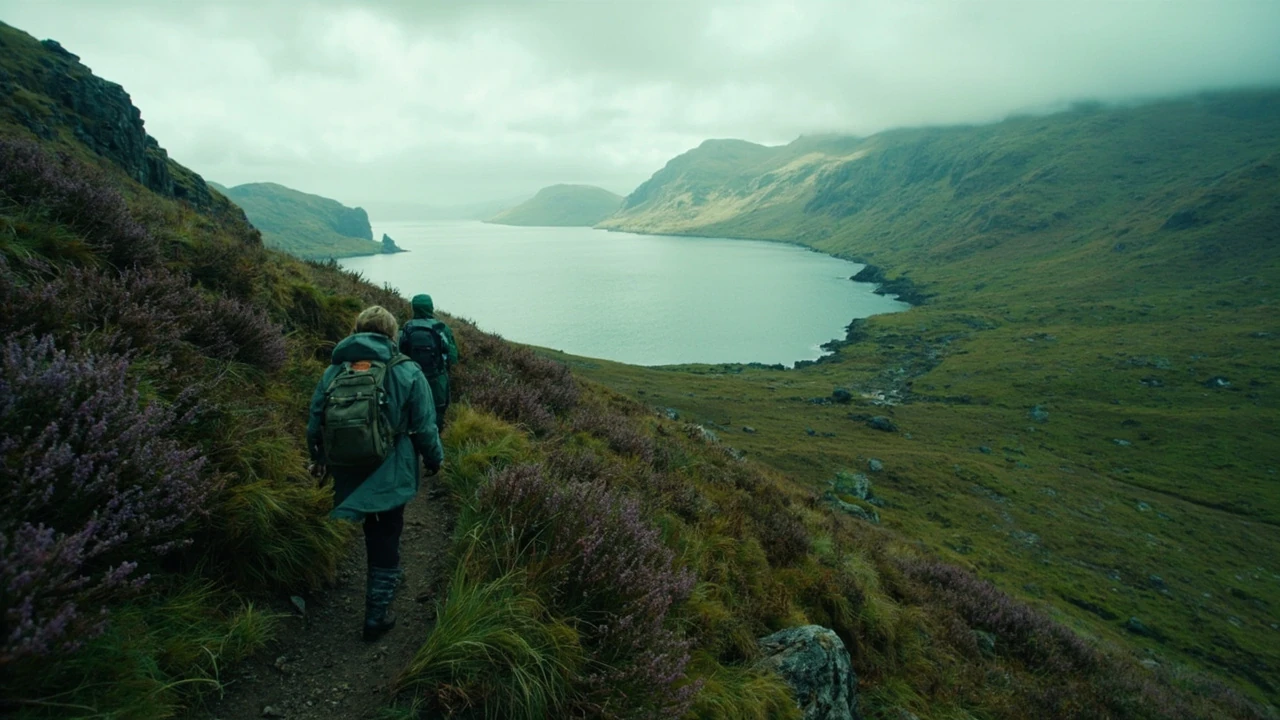
A first visit to the highlands of scotland can feel like stepping into a landscape designed for postcards: dark ridges, pale lochs, roads cut through open moorland, and villages that seem to appear suddenly between the hills. The region rewards travelers who slow down and plan around distance, weather, and changing road conditions. Instead of trying to cover every famous viewpoint, choose one or two areas, build in time for detours, and leave room for the landscape to set the pace.
The Scottish Highlands cover a large part of northern Scotland, but the term can describe both a formal geographic region and a broader cultural identity. The area includes the Northwest Highlands around Assynt and Cape Wrath, the Central Highlands around Cairngorms and Speyside, the Great Glen near Inverness and Loch Ness, and the islands of Skye and the Inner Hebrides. Each area has its own landscapes, travel times, settlements, and outdoor interests.
That variety means there is no single perfect route for everyone. Drivers may prefer the dramatic passes and coastal viewpoints of the Northwest Highlands. Hikers may build a trip around the Cairngorms, Glen Coe, or long-distance trails. Families often find easier days around Inverness, Fort William, Pitlochry, and the visitor centers that explain local landscapes. The most useful plan depends less on a list of “must-sees” than on how much time you have, how you prefer to move, and whether you want mountains, coastlines, islands, historic towns, or quiet walking routes.
This guide focuses on practical planning for an independent trip. It explains how to choose a base, how to approach the region’s variable conditions, what transport options make sense, and which decisions can prevent a day from becoming frustrating. It does not assume that every attraction requires a long drive or that every visitor needs hiking equipment beyond basic experience.
How to choose the right Scottish Highlands itinerary
Start with the kind of landscape you want to spend time with. The Highlands are not one continuous destination, and choosing an area before booking accommodation can save a great deal of unnecessary driving. A week in one region usually feels more relaxed than a fast route that crosses the entire Highlands in the same period.
Consider four questions:
- Do you want high mountains, coast, islands, or a mixture? The Cairngorms are known for broad mountain plateaus and glacial landforms. Assynt and the Northwest Highlands offer more rugged peaks, bare rock, white beaches, and remote coastal scenery. Skye combines mountainous terrain with sea views, while the Central Highlands include wooded glens, rivers, and easier access to popular trails.
- How active do you want to be each day? A scenic drive and a short walk are completely different from a full-day hill walk or a multi-day trek. Choose a base where you can complete at least one satisfying activity without making every outing a marathon.
- Do you prefer settlements or remote scenery? Inverness and Fort William provide more services, transport connections, and a wider choice of accommodation. Smaller places such as Kinlochleven, Torridon, or Applecross can feel quieter, but may offer fewer evening options and less frequent buses.
- How important is public transport? Buses can connect many towns, but remote scenic routes are less convenient by scheduled service. If you do not plan to drive, staying in a well-connected hub and focusing on day trips may be more practical.
A two- or three-day visit is best treated as an introduction rather than a complete tour. One long day can reach a memorable viewpoint, but weather may interrupt the return journey, and a crowded car park can make a short visit feel rushed. Five days allows a more balanced combination of one major walk, one scenic drive, and time in a nearby village. A week or longer allows more regional variety, including a short ferry journey or an overnight stay on an island.
| Trip length | Comfortable approach | What you can prioritize |
|---|---|---|
| 2–3 days | Stay in one accessible hub and make one or two focused excursions | A viewpoint, a nearby loch, a short walk, and a reliable meal back at the base |
| 4–6 days | Use one main base, with an overnight stay in a second location if desired | Mountain scenery, a coastal route, one longer walk, and nearby islands or historic towns |
| 7 days or more | Build an itinerary around two or three distinct areas | A slower journey with hiking, wildlife, history, and less time spent in the car |
The best itinerary also protects against the region’s main logistical constraint: distance. A route that looks reasonable on a map can take much longer because of single-track roads, narrow bridges, livestock, steep sections, or weather. Before committing to a chain of stops, check the practical driving time rather than the straight-line distance.
Getting around: drive, bus, bicycle, or guided trip?
Driving gives independent travelers the greatest freedom to reach viewpoints, trailheads, and small settlements. It also places responsibility on you for road conditions, fuel planning, parking, and unfamiliar routes. Public transport can be excellent between major towns but usually cannot reach every scenic road or trailhead on demand. For many first-time visitors, a combination works best: arrive by train or plane, use local buses or guided excursions for specific days, and rent a car for the days when flexibility matters.
Driving
Before renting a vehicle, decide if you are comfortable on narrow roads, steep hills, and lanes bordered by stone walls. A compact car can handle many routes, but it does not make tight passing places wider or poor weather less stressful. Larger vehicles may be less convenient in small villages. If you plan long mountain routes, allow more time than the map suggests and avoid scheduling a tightly timed evening activity immediately after a long drive.
Weather can change visibility quickly on exposed routes. Roads that are straightforward in clear conditions can feel completely different in rain, fog, ice, or strong wind. Check local road information before departure, and never treat a passing convoy or another driver’s decision as proof that conditions are safe. If an official alert, closure, or access restriction applies, follow it.
Public transport
Buses connect many of the larger towns and popular visitor areas. They are especially useful for travelers who want to avoid the pressure of driving on unfamiliar roads. The trade-off is that a bus journey usually follows a timetable and may not reach the exact trailhead or viewpoint you want. Check the current operator information for your travel date, especially on weekends, in winter, or during major events.
For island travel, ferries add another layer of planning. Services can be affected by weather, and schedules may vary by season. Book ahead when your route has limited connections, arrive early enough to handle a missed link, and keep your onward plans flexible. A ferry is not merely a scenic detour; it is part of the transport network and should be treated as such.
Bicycles and guided activities
Cycling suits experienced riders who are comfortable with long descents, exposed roads, and changing weather. An electric bike can make mixed-route travel more manageable, but charging and battery range deserve attention. Guided walking, photography, birdwatching, and geology trips can be especially useful when weather narrows your options or when you want local interpretation.
Understanding the landscape, weather, and seasons
The Highlands contain several distinct landscapes, and the geology helps explain why they look so different. In the Northwest Highlands, the arrangement of rocks includes ancient gneiss, Torridonian sandstone, quartzite, limestone, and metamorphosed Moine rocks. The apparent disorder of the layers once produced a major scientific dispute. The history of the Northwest Highlands geology shows how field observations in remote places changed the understanding of mountain-building processes.
That geological history is visible in dramatic landforms such as thrust-faulted rock, folded strata, isolated peaks, and valleys carved by ice. You do not need to understand every rock type to enjoy the scenery, but learning the local names of mountains, glens, lochs, and plateaus makes navigation easier. Visitor centers and local maps can provide a useful introduction without requiring specialist knowledge.
Weather is the factor most likely to change your plans. Rain is possible throughout much of the year, while summer can still bring mist, strong wind, and cool conditions. The phrase “bad weather” does not necessarily mean unsafe weather, but exposed paths require appropriate clothing, navigation, and judgment. A waterproof outer layer, reliable footwear, a warm mid-layer, food, water, and a charged phone belong in every walking pack. For longer routes, consider a paper map or downloaded map as a backup.
| Season | Travel character | Planning priorities |
|---|---|---|
| Spring | Longer daylight and fresh landscapes, with variable conditions | Confirm that seasonal roads, ferry services, and visitor facilities are operating on your dates |
| Summer | Best balance of daylight, access, and outdoor activities | Book transport and popular accommodation early; expect more traffic at popular viewpoints |
| Autumn | Quieter conditions in many areas and dramatic light | Allow for shorter days, earlier darkness, sudden rain, and reduced service frequency |
| Winter | Quiet landscapes for experienced travelers and walkers | Check road and ferry status, carry appropriate cold-weather gear, and avoid committing to remote routes without local advice |
Season also determines which landscapes feel most accessible. Winter can be excellent for lowland sightseeing and short walks near a town, but some mountain roads and facilities may be closed. Summer brings longer days and easier access to remote trails, but also higher demand for parking, ferries, accommodation, and popular restaurants. Shoulder seasons can offer a good balance, provided you check the exact services available rather than assuming they follow summer schedules.
What to do in the Highlands beyond the famous viewpoint
It is easy to build a trip around a handful of famous places and leave little room for everything else. A more rewarding approach uses each day around a theme: a coast, a valley, an island, a mountain, or a local town. This makes the itinerary more flexible and helps you respond to weather without losing the purpose of the trip.
Walk a short route with a clear destination
A short walk can lead to a waterfall, viewpoint, old path, riverbank, or shoreline. Choose the destination according to your group’s ability and the conditions on the day. Ask locally or check current trail information for the route, and carry a backup plan. A forest walk may be more reliable than an exposed ridge when fog is low and winds are strong.
Explore a coastal route
The Northwest coast is a defining part of the region. Roadside stops can reveal white sand, rocky coves, sea cliffs, and views toward islands. Choose a route with safe parking and pull-offs, avoid stopping where visibility is poor, and keep the car clear of narrow lanes. Remember that coastal scenery looks different at high tide, in fog, and after a storm.
Visit a town or village on foot
Inverness is useful as a base and gateway, while Fort William offers access to Ben Nevis and nearby glens. Smaller places offer their own pace and atmosphere. A walk through a settlement reveals local architecture, public spaces, small shops, and the relationship between the village and its surrounding land. It is also a useful way to slow down after a day of driving.
Look for wildlife and natural history
Wildlife watching requires patience and an understanding of the landscape. Coastal areas, lochs, woodland, and open moor each support different species. Keep a respectful distance, avoid blocking feeding or nesting sites, and follow local guidance. Binoculars can be more useful than a long lens for a casual visit because they let you scan a broad area without disturbing the animals.
Take one longer day trip
A full-day outing gives you time to travel beyond the immediate roadside scenery. You can combine a ferry crossing, a coastal walk, a museum, and a meal in a small town. The advantage of a long day is that it creates variety; the disadvantage is that a delay can affect the rest of the schedule. Leave early, carry supplies, and avoid planning two tightly timed activities on opposite sides of a mountain.
- For scenery: prioritize a coastal road, a viewpoint with a broad view, or a short ridge walk.
- For walking: choose a route with a clear start, destination, and escape from exposed terrain if conditions change.
- For culture: combine a local museum or historic settlement with time spent walking nearby.
- For families: favor shorter walks, visitor centers, boat trips, and accommodations near services rather than remote passes.
Where to base yourself and how long to stay
The right base reduces both mileage and decision fatigue. A town with a supermarket, fuel station, bus connections, and several accommodation options is more useful than a remote base for travelers who want flexibility. A quieter village can be better for travelers who want to settle in and walk or cycle from the same place.
Most visitors use a combination approach. They spend several nights in a larger hub, then move for two or three nights to a smaller place near a specific landscape. Moving hotels once or twice is usually easier than changing accommodation every day. It also gives you a chance to experience a different part of the region rather than treating the journey as a continuous transfer.
When comparing bases, consider more than the nightly price. Ask whether you need to buy groceries, whether laundry is available, whether dinner options are open on the day you arrive, and whether the accommodation has parking. If you plan a walk each morning, check whether a short route begins nearby. If you are traveling by bus, confirm the route from the stop and the return journey before paying for the room.
| Base style | Best for | Main limitation |
|---|---|---|
| Large town or transport hub | First-time visitors, short trips, public transport, and travelers who want a broad choice of services | More traffic and less immediate isolation; popular sites may be crowded |
| Small village near a trailhead or coast | Hikers, photographers, and travelers seeking a quiet base | Fewer dining options, limited public transport, and less flexibility if weather disrupts plans |
| Island accommodation | Scenery, slower travel, and travelers comfortable with ferry schedules | Weather-dependent transport and fewer alternative plans if a sailing is canceled |
Book accommodation around what you will actually do. If your plan depends on early starts, confirm breakfast availability and the walk to the vehicle. If you want to watch sunset from a remote viewpoint, check sunset times before choosing a room with a western aspect. Thoughtful details like these matter more than a vague promise that a property is “in the heart of the Highlands.”
Driving, safety, and responsible travel in remote areas
Remote landscapes demand more preparation than the scenery suggests. Mobile coverage can be inconsistent, fuel stations can be separated by long distances, and a minor mechanical issue can turn a short journey into an extended wait. Fill up when you reach a reliable station, carry water and a warm layer in the car, and tell someone your route if you are heading somewhere isolated.
Do not park on bends, narrow stretches, passing places, or in ways that obstruct farm vehicles and residents. Gates should be left as you found them. Livestock may have priority on a road, and pedestrians may appear around blind bends. Slow down when visibility is limited rather than relying on other road users to anticipate you.
Walking safety depends on preparation rather than optimism. Tell someone where you are going, check the forecast, and consider what would happen if the route takes longer than expected. In winter or in poor visibility, an experienced local guide or a flexible alternative plan may be more valuable than pressing on.
Responsible travel also includes respecting communities and private land. Stay on paths and designated access routes, follow signs, avoid climbing over fences to reach a better photograph, and do not fly a drone without checking local restrictions and privacy rules. Leave no trace by taking rubbish away, avoiding fragile ground, and keeping noise down in quiet places.
- Carry a paper map or downloaded map in addition to a charged phone.
- Keep food, water, warm layers, and a basic first-aid supply in the vehicle.
- Check official road, ferry, and weather information before leaving.
- Do not rely on a single fuel stop in a remote district.
- Give livestock, cyclists, and oncoming vehicles space on narrow roads.
- Use established parking areas and avoid blocking gates or passing places.
Small actions also reduce pressure on popular places. Arrive early at busy car parks, use the facilities provided, and avoid leaving food scraps that can harm wildlife. If you book a guided activity, ask what the operator does to limit group size and protect sensitive locations. Sustainability is not a separate add-on; it is part of having access to the same landscapes in the future.
Sample ways to spend five days in the Highlands
The following structures show how to combine landscapes without pretending that every day will follow a fixed script. They are starting points, not guarantees of weather or road conditions.
Route A: Northwest scenery and geology
Use a base near the southern or central part of the Northwest Highlands, then explore coastal viewpoints, Assynt, and the rock landscapes around Torridon and Applecross. One day can be dedicated to walking; another can focus on scenic driving and short stops. The area’s remote character makes it especially important to monitor weather and fuel.
Route B: Mountains and short walks
Combine a stay near Fort William or the central Highlands with a day in Glen Coe, a day in a quieter valley, and one walking day chosen according to conditions. This route works well for travelers who want famous scenery without attempting every mountain. Leave enough flexibility for a bad-weather alternative.
Route C: Great Glen and island connections
Base yourself near Inverness, spend time around Loch Ness and the surrounding landscape, and add a ferry day to nearby islands if schedules and weather align. The Great Glen provides transport links and more services, making it a practical place to regroup before or after a more remote excursion.
Route D: Slow touring for first-time visitors
Stay in one town for three nights and move to a coastal village for three or four nights. Use local walks, a scenic drive, a museum, and a long meal as the central experiences. This is often the least tiring option for travelers who want to understand the region rather than simply cross it.
Frequently asked questions
What is the best time to visit the highlands of scotland?
Summer usually offers the longest days and the widest range of services, while spring and autumn can be quieter and attractive for travelers who do not need every facility to be open. Choose according to your priorities and check current transport, road, and accommodation information for your dates. Winter suits experienced winter travelers but requires more careful planning.
Do I need a car to visit the highlands of scotland?
A car is not essential because buses connect many major towns and visitor areas, but it gives much greater freedom for remote scenery and trailheads. If you rely on public transport, stay near a well-connected hub and build each day around the scheduled services. Check the latest timetable and consider backup activities if a service is disrupted.
How difficult is hiking in the Highlands?
Difficulty varies enormously. Short walks beside lochs, woods, and roads can be accessible to many visitors, while mountain routes may involve steep slopes, uneven ground, navigation, and rapidly changing weather. Choose the route for the least experienced person in your group and check local conditions on the day.
Can I visit the Highlands without arranging a multi-day tour?
Yes. A self-drive trip, a combination of trains and buses, or a few guided day excursions can work well. Independent travel is flexible, but it requires more attention to schedules and road conditions. Guided trips are useful when you want local knowledge or want to reach a remote area without managing every detail yourself.
Is driving in the Highlands difficult?
Main roads can be straightforward, but minor roads may be narrow, steep, or bordered by walls and single-track sections. The biggest challenges are unfamiliar bends, changing weather, livestock, and stopping places in the wrong locations. Allow extra time, drive slowly, and avoid making a long drive immediately before an important reservation.
Are the Scottish Highlands suitable for families?
They can be excellent for families when the itinerary includes short walks, scenic viewpoints, boat trips, visitor centers, and adequate rest. Remote mountain routes may be less suitable for younger children or anyone uncomfortable with uneven terrain. Choose a base with services and build in time for meals and breaks rather than trying to maximize the number of stops.
What should I pack for a Highland trip?
Pack layers, waterproof outer clothing, sturdy footwear, a small weather-resistant bag, water, food, a charged phone, and a map backup. Add more specialized equipment only when your activity requires it. Even in summer, exposed ridges and high ground can feel much colder and windier than nearby towns.
Are there ferries to the islands, and should I book in advance?
Ferries provide access to several islands from mainland terminals, but the useful route depends on the island and the season. Services can be weather-dependent, and onward connections may be limited. Check the operator’s current timetable, book ahead when appropriate, and keep a flexible alternative plan if a sailing is canceled.
What makes the highlands of scotland different from other parts of Scotland?
The Highlands are distinguished by dramatic mountain, moorland, loch, and coastal landscapes, but the region also contains distinct towns, islands, and local cultures. The experience changes with geography: a coastal route, an inland glen, and an island settlement offer different scenery, settlements, and travel rhythms. Choose a route based on the landscapes and activities you value.
Before you leave, make a simple final check: confirm your first night’s accommodation, review the route for the next morning, download maps and tickets, check the weather, and identify one low-pressure alternative for each planned activity. A flexible itinerary will help you enjoy the highlands of scotland without trying to control every mile of the journey.