A vacation can leave you more tired than it found you when every day requires a reservation, a drive, and a packed itinerary. Choosing relaxing vacation spots starts with a simpler question: what kind of pace would help you feel genuinely restored? Some travelers want salt air and long walks on the beach, while others need forest silence, warm-water evenings, or a small town where dinner can stretch into the night.
Relaxing vacation spots: how to choose the right kind of break
The best relaxing vacation spots do not necessarily offer the fewest attractions. They offer the freedom to enjoy a few things without turning them into a checklist. A coastal cabin works when your idea of recovery involves ocean views and light movement. A mountain lodge may be a better fit if you want cool air, wooded trails, and evenings around a fire. National parks suit travelers who value open space and scenery, while warm-water destinations work well for swimming, boating, and doing very little by the water.
Begin by naming the feeling you want at the end of the trip. Do you need to disconnect from notifications, sleep later, spend time with family, or return home with renewed energy? Those goals point toward different settings. Beaches offer sensory variety and a natural sense of time passing. Lakes and rivers provide a calmer middle ground between ocean scenery and forest trails. Desert landscapes create space and encourage slower sightseeing. Quiet towns make it easy to build a day around meals, short walks, a museum, or an afternoon beside the porch.
Consider the practical side of relaxation as well. A remote cabin may sound ideal until you need groceries, medical care, reliable internet, or a paved road. A major city can be deeply restful when you know which neighborhoods, parks, and cultural spaces suit your pace. The destination does not need to be big or remote to work. It needs to fit your tolerance for planning, your budget, and the amount of structure you want.
Finally, distinguish a genuinely restorative trip from an escape that creates more pressure. Relaxation becomes harder when transportation is unreliable, lodging is far from meals, every attraction requires advance planning, or the weather could make outdoor activities impractical. A calm destination has a few dependable options, reasonable access, and enough flexibility to change your mind without losing the day.
What makes a destination feel relaxing in practice?
Relaxation is not a quality that can be judged from a postcard. It depends on how a place feels during ordinary hours. Evaluate destinations using the features below rather than relying on labels such as “peaceful” or “unspoiled.”
| Destination feature | Why it can support relaxation | Questions to ask before booking |
|---|---|---|
| Low visual and noise intensity | Less traffic, fewer crowds, and a calmer soundscape can make it easier to settle into a slower rhythm. | Will my room face a busy road, restaurant, or nightlife area? |
| Walkable daily needs | Nearby food, coffee, parks, and shops reduce repeated driving and decision fatigue. | Can I reach breakfast, dinner, and a green space without a car? |
| Flexible outdoor options | Trails, water activities, and scenic drives remain enjoyable even when plans change. | Are there short activities as well as full-day outings? |
| Reliable access | Convenient transport and a range of lodging types simplify a trip focused on rest. | How much time will transfers take, and what happens during bad weather? |
| Unhurried food and social spaces | Good restaurants, cafés, and gathering places encourage guests to stay and linger. | Are there quiet places for a meal without entertainment or a minimum spend? |
| Seasonal variety | Different conditions create alternatives rather than leaving a day empty. | Can the destination be enjoyed outside its peak outdoor season? |
Before searching for destinations, write down the conditions that would make your trip feel easy. A useful shortlist might include:
- A place where late breakfast is possible without missing the rest of the day.
- A hotel, cabin, or guesthouse with a quiet location and a porch, balcony, or outdoor seating.
- At least one restorative activity, such as walking, swimming, reading, fishing, or a scenic drive.
- One flexible block of unscheduled time in the itinerary.
- Easy access to food, water, groceries, and other essentials.
- Enough nearby options to handle rain, extreme heat, or an early return from an activity.
It is also helpful to set a boundary against overplanning. Reserve accommodation and transport first. Add one or two activities that genuinely appeal to you, then leave the rest open. A relaxing trip needs anchors, not a continuous chain of obligations.
Coastal relaxing vacation spots for beaches and slow mornings
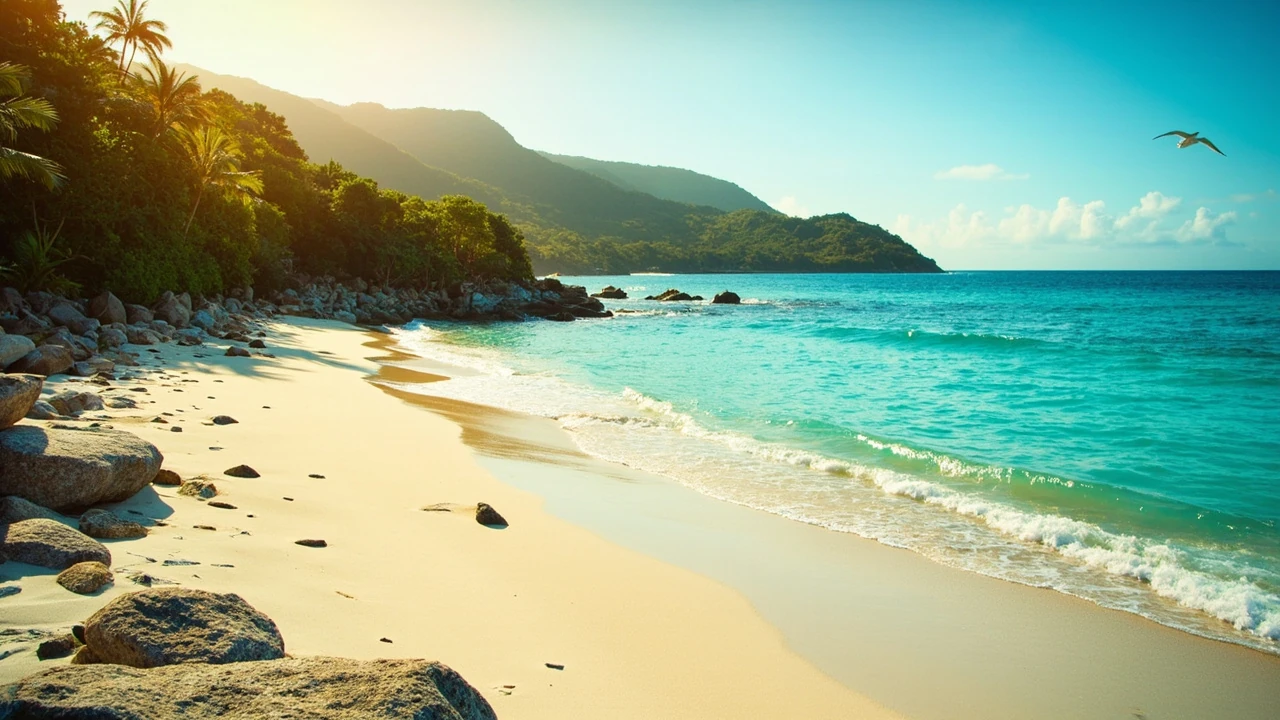
The coast delivers an unusually clear form of rest. Water changes continuously, the horizon gives the eye somewhere to rest, and the day can be organized around a single activity. That could mean swimming before breakfast, walking the beach after lunch, or watching the sunset from a dock.
For many travelers, a small-town coast works better than a busy resort. Look for a place with a compact beach or shoreline, modest traffic, and lodging away from the loudest entertainment strip. A condo or cottage near the water can be practical for a longer stay, especially if you want to prepare some meals. A historic inn may offer atmosphere, while a modern hotel can be easier for travelers who value predictable furnishings and on-site services.
| Coastal setting | Best for travelers who want | Main planning consideration |
|---|---|---|
| Quiet barrier-island beach | Swimming, long beach walks, and days with no set agenda. | Transportation may be limited, and island services may be seasonal. |
| Gentle coastal town | A mix of beach time, restaurants, galleries, and short scenic outings. | Compare the lodging location with the town center and beach access. |
| Dramatic Pacific shoreline | Scenic driving, cliff walks, and dramatic ocean views. | Weather, winding roads, and crowded viewpoints require flexibility. |
| Gulf or inland beach | Calmer water conditions in some seasons and spacious shoreline walks. | Check seasonal conditions and whether the beach is oriented toward sunset. |
| Lake or river shore | Swimming, paddling, fishing, and an easy connection with wooded surroundings. | Water access is easier when the property is on the shore rather than merely nearby. |
The best coastal routine is deliberately modest. Bring water shoes, a hat, sunscreen, a book, and a light layer. Choose a nearby swimming beach or a short trail rather than trying to cover an entire coastline. If you rent a car, use it for one scenic outing and then spend the rest of the day within walking distance. That balance prevents transportation from turning a restful stay into a series of errands.
Watch the tide and local weather before choosing outdoor plans. A low-tide walk may offer a different route from a high-tide beach, but it is worth confirming the relevant tide information rather than relying on memory. Likewise, summer heat can make an exposed shoreline uncomfortable at midday. A beach town with a shaded boardwalk, neighborhood park, or indoor activity nearby is usually easier to enjoy than one whose appeal depends entirely on the sand.
Forest, lake, and river destinations for nature without constant planning
Wooded and water-based destinations often provide the strongest combination of scenery and low effort. A visitor can choose one trail, rent a canoe, sit beside the water, or take a scenic drive without needing a reservation for every hour. The appeal lies in having enough space to choose a slow activity rather than maximizing the day.
National parks and forests provide the strongest combination of scenery and low effort. A visitor can choose one trail, rent a canoe, sit beside the water, or take a scenic drive without needing a reservation for every hour. The appeal lies in having enough space to choose a slow activity rather than maximizing the day.
Look for trail access that matches your normal activity level. A short loop near the lodge is more restorative than spending the day driving to a distant trail. Look for short interpretive walks, overlooks, and accessible paths as alternatives. Check trail surfaces, elevation changes, and current conditions from official sources before setting out, especially if heat, storms, or high water may affect the day.
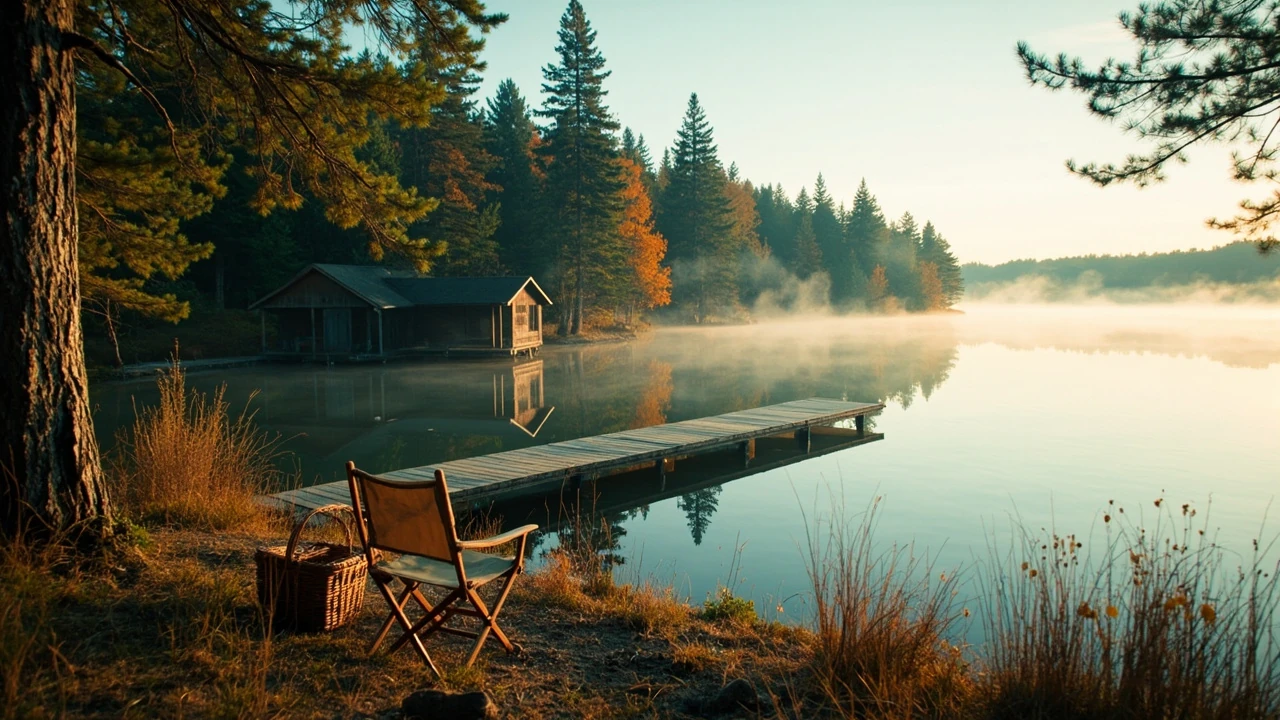
Lakes are particularly useful for travelers who want water without the ocean’s unpredictability. A lake cabin, campground, or lakeside resort can support morning swims and evening walks. For families, waterside lodging also reduces the need to carry equipment repeatedly. Paddle rentals and fishing licenses may require advance planning, but the core experience can remain simple: sit near the water, read, watch birds, or watch the light change near sunset.
Forest destinations also work well for travelers who want to remain active without turning the day into a fitness program. A shaded trail, a slow bike route, or a guided nature walk provides enough movement to feel accomplished while leaving time for a hot shower, a good meal, and an early night.
- Pack a small day bag with water, snacks, sunscreen, insect repellent, and a light rain layer.
- Download offline maps because some parks and rural areas have limited cellular coverage.
- Choose a trail with a clear return route and stop before fatigue makes the outing stressful.
- Keep one low-effort activity available for the hottest, coldest, or wettest part of the day.
- Verify permits, parking rules, and seasonal access on official park pages before traveling.
Accommodation matters more than many travelers expect. A forest lodge near a main road may be convenient but noisy, while a remote cabin may be peaceful yet inconvenient. Read recent reviews for comments about stairs, water pressure, road conditions, cellular service, and heating or cooling. A slightly less secluded stay can be the wiser choice if peace of mind matters more than distance.
Mountain and desert spots for space, scenery, and warm-weather calm
Mountains and deserts appeal to travelers who want openness and visual change without the constant motion of a city. Mountain stays can combine forested drives, short hikes, overlooks, and cool evenings. Desert stays often emphasize wide views, sunrise walks, stargazing, and time spent around a pool or terrace.
The best mountain base is not necessarily the highest or most dramatic one. Select a town or lodge that offers several low-key activities within a manageable drive. A place with a grocery store, café, short trail, and comfortable beds can be more restorative than a remote base used only as a launch point for long excursions. If you plan to visit trailheads or distant scenic areas, ask how long the round trip will take before committing to it.
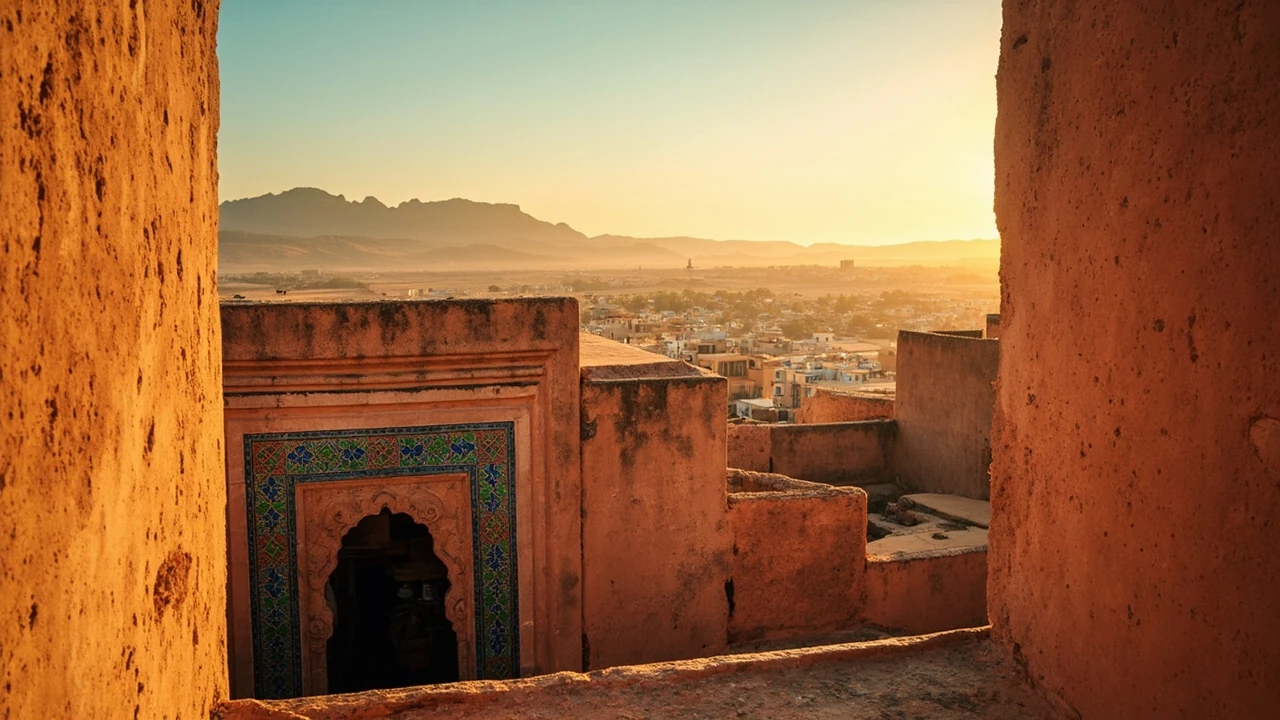
Desert travel requires a different kind of preparation. Heat often shapes the entire daily schedule. Visitors can generally do better by starting outdoor activities after sunrise, resting or eating indoors during the hottest hours, and returning to a viewpoint in the evening. Lodging with a pool, shade, and reliable air conditioning adds comfort, but a natural desert setting still needs sensible water management. Carry more water than expected and keep drives within safe conditions.
Desert scenery also changes substantially with weather and season. Clear mornings can reveal distant landforms, while dust, rain, or clouds create a different experience. The same location may feel expansive in dry conditions and enclosed in poor visibility. Before reserving a tightly structured itinerary, leave at least one day that can adapt to conditions.
Road Scholar’s guide to slower-paced vacation travel makes a useful broader point: coastal scenery, forest exploration, and cultural visits can all become restorative when the itinerary leaves room for curiosity. Its emphasis on flexible pacing and shoulder-season travel also supports a practical approach to choosing destinations rather than simply chasing a famous landmark.
Small towns, cultural stops, and stays that encourage a slower rhythm
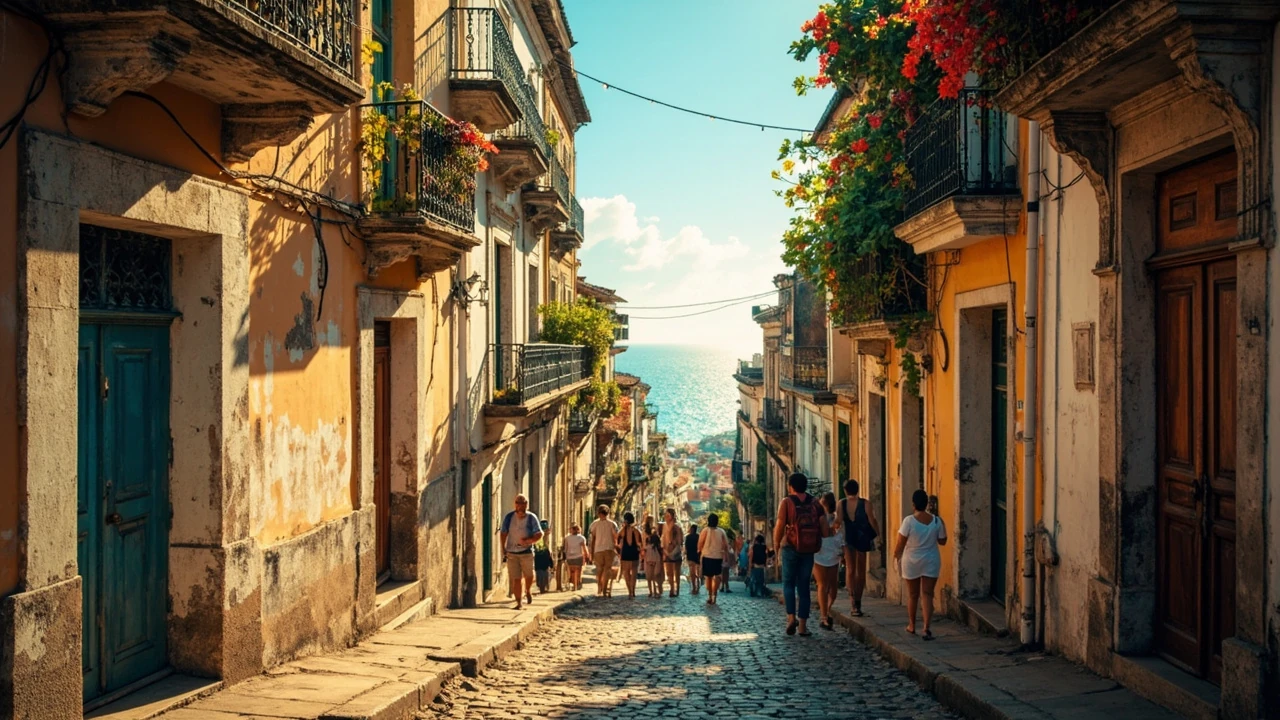
A relaxing vacation does not require complete isolation. Some travelers find that a small town with good food, historic character, and nearby nature offers more energy than a resort. The appeal lies in having enough to do without feeling obligated to do it all. A visitor might walk through a historic district in the morning, have a long lunch, rest during the hottest afternoon, and then return to the waterfront after dinner.
When comparing towns, look at the pace of the place itself. A town dominated by daily-hour restaurants and visitor traffic may be busier than a resort during peak season. A place with year-round public spaces, regular local events, and comfortable cafés can support an unhurried stay. Museums, botanical gardens, historic houses, and bookshops also provide indoor alternatives without requiring a long excursion.
Cultural travel becomes calmer when each day has one primary destination. Instead of chaining three major sights into a single afternoon, choose the place you most want to see and leave the surrounding hours unplanned. Longer meals and slower walks often become part of the attraction rather than delays between activities.
For a trip focused on restoration, lodging in the center of town can be preferable to a remote property. Walking to dinner, returning to the room, and deciding whether to go out again is easier when the hotel is part of the daily landscape. A property on a quiet edge of town may offer more space and still be practical if it includes reliable transport or easy parking.
- Visit a museum or historic district late in the day, then have dinner nearby without another drive.
- Use a local café as an anchor between activities instead of adding more scheduled stops.
- Choose one scenic route for a half-day drive rather than several distant destinations.
- Reserve one stay that offers both a walking tour and an easy outdoor activity.
- Look for community events that fit the period you are visiting, but avoid making the entire trip dependent on one event.
Travelers considering a longer North American itinerary can also compare nearby destinations. For instance, a broader look at what Mexico is known for beyond beaches and tacos can help identify cultural and regional experiences worth pairing with a calmer pace. A similar cross-border perspective appears in Canadian landmarks beyond Niagara Falls, where scenic stops can complement a restorative road trip through quieter landscapes.
How season, weather, and crowds affect a relaxing trip
Timing often changes the emotional quality of a destination more than the destination itself. Peak summer can bring heat, traffic, longer waits, and full parking lots. Late spring and early fall often offer more moderate conditions, although popular trails and coastal areas may still be busy on clear weekends. Winter can be ideal for snow, quiet forests, and uncrowded towns, but it also narrows the range of available activities.
Instead of choosing a date from a generic “best time” chart, work backward from the activities you care about. If you want to swim in the ocean, compare water and air conditions with the local climate. If hiking is the priority, review trail accessibility and operating conditions. If the trip depends on hiking or boating, build in alternatives for weather that may cancel the main plan.
| Planning factor | Best approach | What to avoid |
|---|---|---|
| Crowds | Choose weekdays, arrive early at popular sites, and stay close to the main attraction. | Scheduling every activity during the busiest weekend hours. |
| Weather | Keep indoor backups and verify current local forecasts and conditions. | Assuming a mountain, desert, or boat activity will remain available every day. |
| Accommodation | Confirm location, parking, air conditioning, and quietness before paying. | Choosing only by the size of the room or a scenic property photograph. |
| Transportation | Check drive times, fuel stops, parking, and public transportation. | Planning two distant activities around a short transfer window. |
| Cost | Compare the full trip cost, including transport, parking, meals, and activities. | Judging affordability from the lodging rate alone. |
Flexibility is particularly valuable during a shoulder season. Flights or accommodations may be less expensive, but restaurants and tour operators may have reduced schedules. Confirm what will actually be operating for your travel dates. A destination can be wonderfully quiet and still feel limited if the only suitable activity is available on certain days.
Traveling outside the busiest period does not automatically mean traveling during the off-season. It can mean choosing a weekday in a busy season, staying in a quieter part of a popular region, or booking a destination whose main attractions remain comfortable throughout the year. For many travelers, a slightly less ideal weather window with easier access and fewer crowds produces a more relaxing trip than perfect conditions surrounded by congestion.
A practical checklist for booking and building a restful itinerary
Begin with the pace you want to maintain. A weekend trip calls for a simple destination within a manageable drive. A week gives enough time for one regional base and several nearby outings. Two weeks can support a slow loop, but only if you are willing to spend several days in each area rather than crossing the country every other day.
Compare destinations using a simple scorecard. Assign priority to quiet lodging, easy meals, restorative activities, accessibility, transportation, and weather. Do not include a famous attraction merely because it is famous. The purpose is to find a place that supports your intended experience, not to assemble the largest possible list.
- Define the recovery goal in one sentence, such as sleeping more, spending time outdoors, or reconnecting with family.
- Choose two or three landscape types that suit that goal, such as coast, forest, desert, or small town.
- Check transportation and seasonal access before falling in love with a property.
- Read recent reviews for specific operational details, especially noise, stairs, heat, parking, and cellular service.
- Reserve lodging in a quiet location and confirm the cancellation policy in case conditions change.
- Build the trip around one main activity per day, with a nearby alternative.
- Protect at least one day or half-day for nothing more demanding than walking, reading, or sitting by the water.
- Save addresses, operating hours, reservation details, and offline maps before leaving home.
Budgeting should include the activities that create relaxation. A quiet cabin fee may be modest, but a remote location can add fuel, tolls, groceries, and equipment costs. A resort can bundle convenient services, yet some amenities may carry separate charges. Compare what matters to you rather than choosing the lowest advertised nightly rate. The cheapest stay can require more driving and decision-making than a slightly more expensive one near daily needs.
Transportation deserves particular attention. A destination that looks close on a map can involve a long drive through mountain roads, heavy traffic, or limited service between towns. Add the realistic travel time between the airport, station, or highway and your lodging. If public transportation is part of the plan, check the first and last service times rather than only the daytime schedule.
Before departure, create a small emergency information folder. Save the lodging address, local emergency number, medical information, insurance details, and official park or attraction contacts. Note where the nearest pharmacy or medical facility is located. This preparation does not make an accident likely, but it reduces the stress of searching for basic information in an unfamiliar place.
Finally, decide what “relaxing” will look like in practice. It might be a coffee beside the porch at 7 a.m., a swim without a schedule, or an afternoon nap without setting an alarm. Translate the desired feeling into small actions. Specific expectations are easier to satisfy than a vague promise that the destination will somehow fix a tired week.
Frequently asked questions
What are the best relaxing vacation spots in the United States?
The best choice depends on your preferred pace. Coastal towns suit travelers who want beaches and water, forest and lake destinations provide easy nature access, mountain bases offer scenery and short walks, and small towns provide restaurants and cultural stops without constant travel. Choose the setting that matches how you want to spend an ordinary day rather than the destination with the most activities.
Which relaxing vacation spots are best for a first solo trip?
A walkable small town or a well-chosen cabin near a lake can work well for a first solo trip. Look for clear public transportation or simple parking, restaurants with varied meal options, and a safe area for an evening walk. Avoid an isolated property with limited cell service if you want frequent social interaction, and avoid a major nightlife district if quiet is your priority.
What type of vacation destination helps travelers disconnect?
Destinations with limited nightlife, dependable outdoor access, and a slower daily schedule generally support disconnection. A remote cabin, lakeside lodge, coastal guesthouse, or quiet mountain town can help, but digital habits matter as much as location. Ask your lodging whether Wi-Fi is available and decide in advance whether you will use it. A phone-free dinner or full day can be more useful than traveling a great distance to escape notifications.
Are national parks relaxing vacation spots?
They can be, when you do not try to complete a checklist. National parks often provide trails, scenic roads, open landscapes, and places to pause. The most relaxing trips pair one main walk or drive with plenty of unstructured time. Pick suitable trail lengths, carry required water and layers, and have a lower-effort backup for bad weather or fatigue.
What is the most relaxing time of year to visit a popular destination?
For many destinations, spring and fall offer a useful balance between access, weather, and crowds. The answer changes by location, however. Some coastal areas peak during summer, while mountain roads and services may be limited in winter. Compare activity conditions, operating schedules, accommodation availability, and likely crowds for the exact dates you can travel.
Should I choose a relaxing vacation spot with a pool or natural water?
Choose a pool when easy swimming, predictable water temperature, and minimal equipment are your priorities. Choose a lake, river, or ocean location when scenery, paddling, fishing, or shoreline walks matter more. Check access rules, water safety, seasonal conditions, and whether the property has a private shoreline or requires a larger shared area.
How do I avoid feeling rushed while traveling?
Plan fewer commitments, group nearby activities, and leave generous gaps between reservations. Keep at least one flexible period each day and avoid booking a distant attraction before understanding the drive. Stay somewhere where meals, walks, and simple activities are available. If every hour is planned, a delay or change in weather can quickly create the pressure you hoped to avoid.
What should I look for in a quiet accommodation?
Read recent reviews for reports about noise, traffic, stairways, air conditioning, bathroom access, and parking. Ask whether the room faces a courtyard, wooded slope, or busy road. For longer stays, confirm that grocery shopping, food, and recreation are easy to reach. A slightly less secluded property with better access may create less stress than an isolated cabin with a long, inconvenient drive.
Is a relaxing vacation expensive?
Not necessarily. Costs vary widely by destination and season. A cabin near a lake, a state park campground, or a small town with free outdoor attractions can cost less than a large resort. Compare transportation, parking, meals, and activities rather than lodging alone. The best-value option is usually the place that fits your pace without adding costly transportation or unnecessary excursions.
What should I pack for a relaxing vacation spot?
Pack for the activities and weather rather than for a generic resort holiday. Useful items include comfortable walking shoes, layers, sun protection, a refillable water bottle, insect repellent, and a light rain jacket. Add swimwear, hiking equipment, a book, or art supplies when relevant. Keep the main bag light enough that you can move it easily and bring only what supports your planned pace.