Venezuela tourist attractions: a practical guide for first-time visitors
Venezuela has enough variety to divide a single trip into several distinct experiences: walking through Caribbean dunes, boating to coral islands, watching a plateau sunset, or following a rainforest trail beneath one of the world’s tallest waterfalls. The problem is not a shortage of places to see. It is choosing a route that matches the travel conditions at the time of your visit and accepting that access, transportation, payments, and opening arrangements can require more advance planning than in more established tourist destinations.
This guide focuses on the principal venezuela tourist attractions and the decisions that shape a practical visit. It covers the natural landmarks that anchor most itineraries, the historical and cultural places in Caracas and the Andes, realistic ways to organize transportation, and the safety checks that should come before booking. It does not promise that every park, lodge, museum, or boat route will be operating when you arrive.
Start with the destination that interests you most, then verify current conditions for that specific region. Venezuela is large, and the practical realities of reaching Canaima are very different from those of visiting the coast near Choroní or moving around Caracas. A short list of highlights may look simple on a map, but travel time, road conditions, cash needs, and local guidance can determine whether a journey feels rewarding or unnecessarily difficult.
The best Venezuela tourist attractions by region
Venezuela’s major attractions fall into three broad travel environments: the Caribbean coast, the southern savannas and tepuis, and the northern mountain corridor. Some destinations can be reached from Caracas on an organized trip. Others are more practical as part of a longer route involving several days of driving. The table below is a starting point for matching an attraction with the right part of the country.
| Region | Principal attractions | Best for | Planning consideration |
|---|---|---|---|
| Caribbean coast | Los Roques, Morrocoy, Parguito, Médanos de Coro, Choroní and the Henri Pittier area | Islands, beaches, sailing, wildlife and coastal scenery | Boat schedules, weather and accommodation availability require confirmation |
| Southern Venezuela | Canaima National Park, Angel Falls, La Gran Sabana, the Upper Caroní River and Mount Roraima approaches | Waterfalls, plateaus, rivers and remote adventure travel | Trips require careful transport planning, suitable equipment and experienced local operators |
| Venezuelan Andes | Mérida, Pico Bolívar, Los Nevados and mountain towns | Hiking, mountain scenery, cable cars and Andean culture | Altitude, weather and trail conditions can change quickly |
| Llanos and central plains | Los Llanos wildlife areas and seasonal river landscapes | Wildlife, birdwatching, river trips and ranch-style stays | Seasonal flooding and heat make timing especially important |
| Caracas and nearby heritage sites | Caracas historic center, Casa de Montezuma, the Metropolitan Cathedral, Colonia Tovar and Los Teques | Architecture, museums, food and a shorter introduction to the country | Confirm attraction days, transport and neighborhood conditions before visiting |
| Eastern coast and offshore islands | Santo Domingo, Playa Parguito, Isla de Toas and parts of Isla de Margarita | Quieter beaches, coastal landscapes and island-hopping | Ferries and local transfers may be limited or irregular |
Angel Falls is the country’s signature natural landmark, but it should not crowd out the less obvious attractions. Los Roques offers an entirely different experience built around islands, turquoise water and marine life. The Andes provide mountain villages and high-altitude scenery, while the plains and coastal lagoons appeal to travelers interested in wildlife. A balanced route usually works better than trying to collect every major sight in one short visit.
Use the following list to narrow the field before researching transport:
- Natural wonders: Angel Falls, Canaima, La Gran Sabana, Henri Pittier and the southern tepuis
- Coastal escapes: Los Roques, Morrocoy, Médanos de Coro, Choroní, Santo Domingo and Parguito
- Culture and history: Caracas’s historic center, Colonia Tovar, Mérida and Andean market towns
- Wildlife areas: Los Llanos, coastal lagoons and bird-rich areas around the lower Orinoco region
- Adventure experiences: trekking, river travel, climbing, multi-day island routes and remote plateau journeys
Angel Falls and Canaima: what makes the trip worthwhile
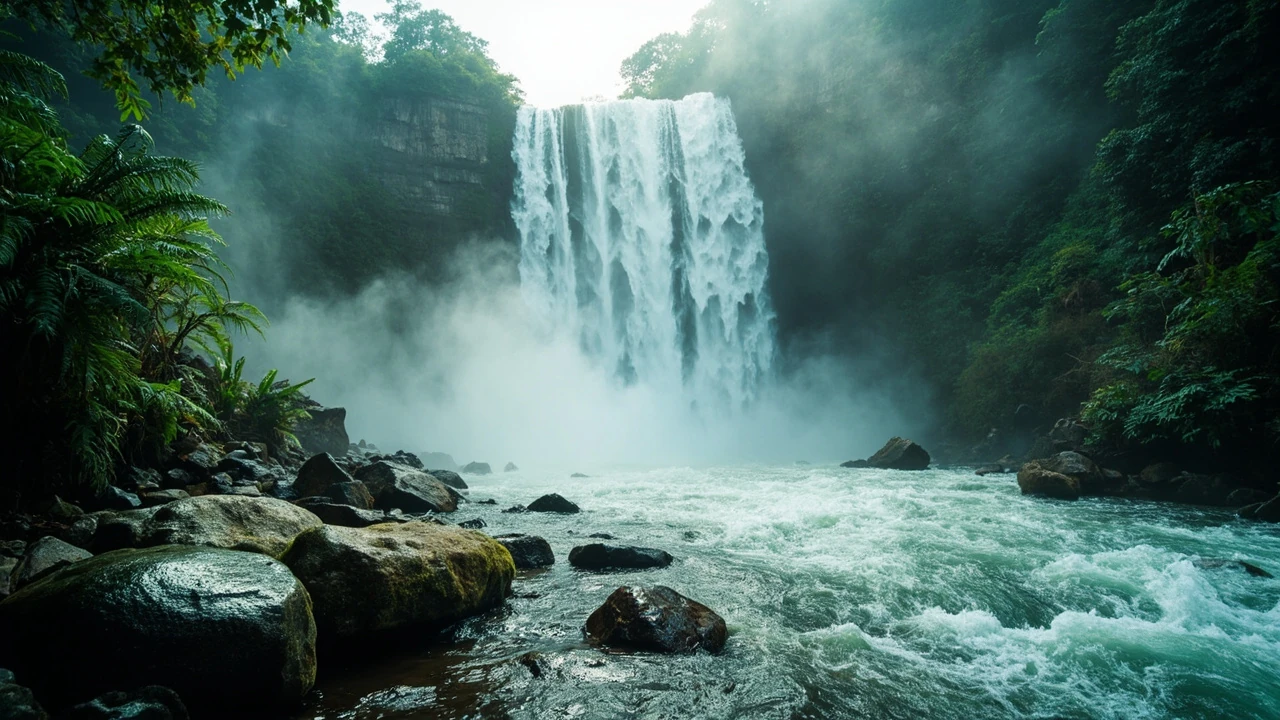
Angel Falls is the centerpiece of most first-time itineraries, and the full journey is more memorable than the flight over the falls alone. Visitors normally approach the area through the Caroní River system, with a flight, boat transfer, trail, or combination of those methods depending on the route. The name Kerepakupai Merú, associated with the Pemón people, is widely used for the waterfall, while Angel Falls refers to the feature named by aviator Jimmie Angel.
The destination divides into several experiences. The flight provides a broad view of the plateau, river and surrounding wilderness. A boat trip brings travelers closer to the base, where the scale of the cliffs and vegetation becomes clearer. A hike adds physical effort but rewards walkers with river crossings, forest paths and changing perspectives on the falls. The best choice depends less on a checklist than on mobility, weather, the condition of the trail and the quality of the local operator.
Canaima National Park contains a much larger wilderness beyond the immediate waterfall area. Its tepuis, rivers, forested slopes and wildlife create the setting for multi-day trips. The scale can also create logistical challenges: distances sound manageable on a map but may involve multiple transfers, limited communications and long daylight-dependent movements. A short excursion is easier to organize than an extended expedition, but it provides less of the park’s breadth.
Several practical questions should be settled before departure:
- Will the visit include only the flight and boat, or also the marked walking route?
- Does the operator provide appropriate boats, safety equipment, rain protection and emergency communication?
- What happens if heavy rain, high water or wind affects the river or flight?
- How long is the transfer from the nearest road-access point?
- Are food, drinking water and rest stops included, or must travelers carry supplies?
Do not treat online photographs as proof that a trail is currently open. Rain, river conditions and local access arrangements can alter the experience. Ask the operator for a current route description, expected walking time, weather contingency and equipment list. Travelers who value scenery over physical challenge usually gain more from a slower boat approach and a manageable walk than from attempting a strenuous route in unstable conditions.
Nearby La Gran Sabana is another southern highlight. The tabletop mountains, elevated savanna and winding roads attract travelers interested in remote landscapes. Conditions here are more exposed than in the lower rainforest. Weather changes, limited services and remote roads make advance planning particularly important. Some routes also require permits or compliance with park rules, so confirm the current process rather than assuming access is automatic.
Los Roques, Morrocoy and the Caribbean coast
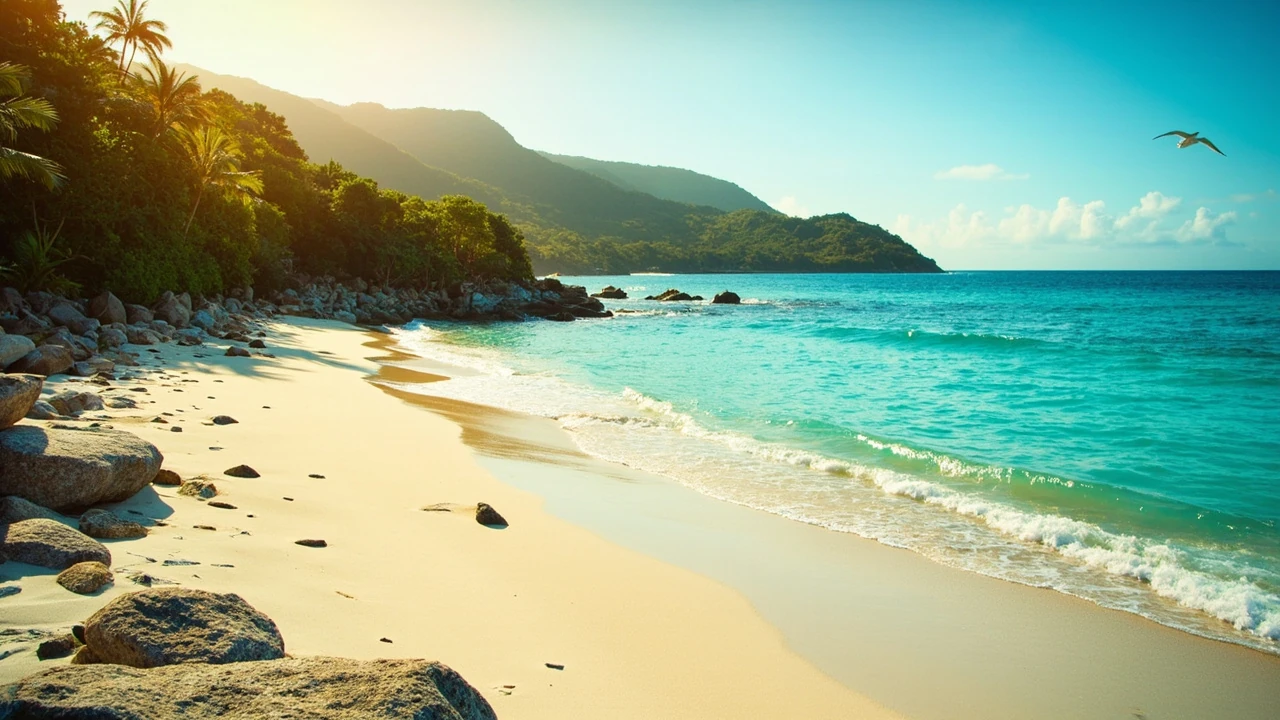
Los Roques National Park is the strongest choice for travelers who want clear water, coral scenery and an island-based trip. The archipelago sits offshore near the central Venezuelan coast, and visitor days may be structured around boat travel, snorkeling, beach stops, fishing or visits to smaller island camps. The precise inclusions depend heavily on the operator and current conditions, so compare itineraries by transfer time, equipment, island access, meals and contingency plans rather than by price alone.
Island hopping sounds simple, but distance and weather shape the day. A route that visits several small cays may spend much of its time underway. Some operators focus on a limited number of stops, while others emphasize longer crossings. Travelers prone to seasickness should ask about vessel type and trip length. Large seas can alter both the ride and the usable itinerary, so a flexible itinerary is preferable to one that promises every stop under all conditions.
Morrocoy National Park, reached through the area around Tucacas, is known for coastal lagoons, mangroves, beaches and marine scenery. It can appeal to birdwatchers, kayakers and travelers who prefer a smaller-scale park experience. Nearby coastal towns provide a different rhythm from Los Roques and may be a practical base for a shorter visit.
Farther west, the Médanos de Coro dunes create a landscape unlike Venezuela’s tropical beaches. These sand dunes shift with the winds, and the area is associated with desert wildlife, camelthorn vegetation and sunset views. The dry environment also demands a different packing approach from the coast or rainforest. Closed footwear, water, sun protection and a clear meeting plan are more useful than beach gear alone.
Hiking toward Choroní provides access to the Henri Pittier National Park area, where cloud forest, waterfalls and steep coastal terrain create another distinct experience. Choroní itself has a long-standing connection with Afro-Caribbean culture and is known for drumming, or palo de woe, traditions. Visits to communities and cultural events should be arranged respectfully through appropriate local hosts rather than treated as an informal attraction to consume.
For a coastal itinerary, compare destinations by environment:
- Los Roques: marine excursions, cays, snorkeling and island accommodations
- Morrocoy: mangroves, lagoons, calmer coastal exploration and wildlife
- Médanos de Coro: dunes, dry landscapes and sunset conditions
- Choroní and Henri Pittier: forest trails, waterfalls and coastal mountain scenery
- Santo Domingo and Parguito: a quieter beach-oriented option on the eastern coast
Historical, cultural and Andean attractions
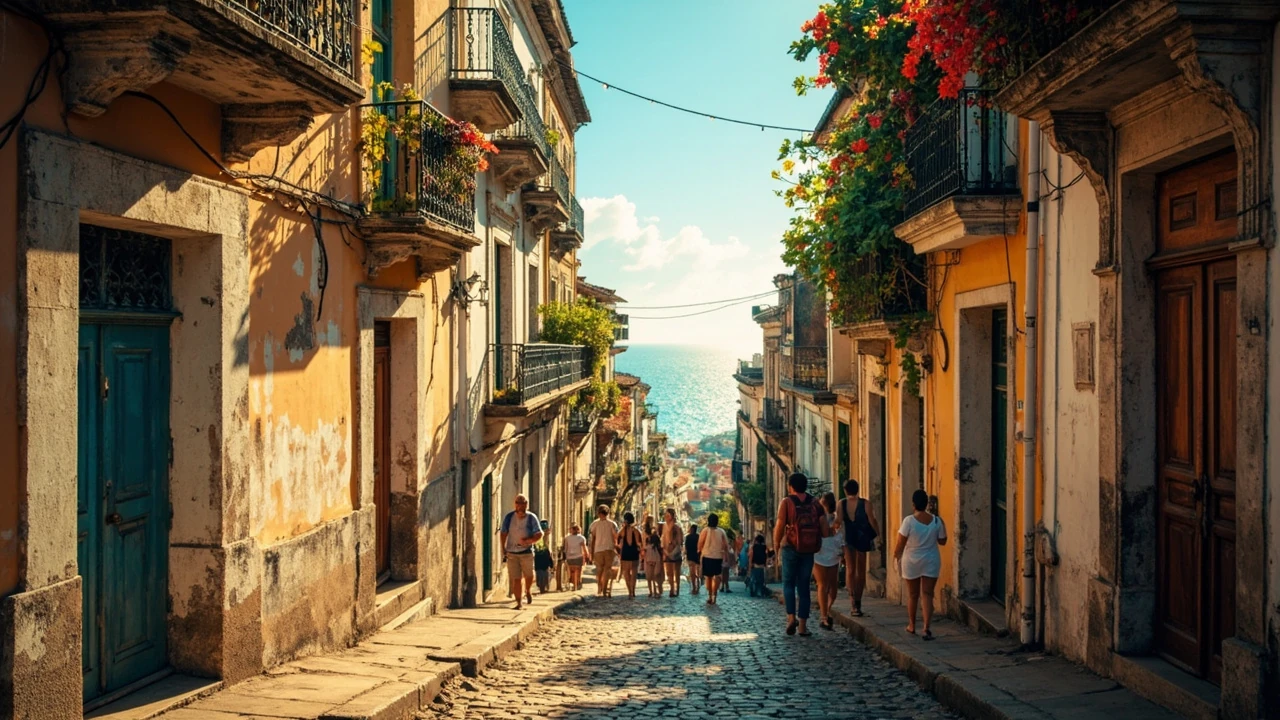
Caracas offers a compact introduction to Venezuelan history and urban life. The historic center contains important religious and colonial-era architecture, including the Metropolitan Cathedral and the Casa de Montezuma, associated with the conquistador who lived in the city during the colonial period. Museums, parks and modern neighborhoods show a capital that is not limited to its historic landmarks. Because opening days and security conditions can vary, check current information for each site rather than attempting them all on a fixed schedule.
Colonia Tovar, in the mountains above Caracas, offers a different cultural landscape. Founded by German immigrants, it developed an identity shaped by Central European architecture, food, farming and mountain settlement. It works well as an excursion for travelers interested in heritage and local food rather than as a substitute for Caracas itself. Road conditions, traffic, and advance arrangements can affect the feasibility of a day trip.
The Andes and Mérida form the country’s best-known mountain destination. Mérida sits in a broad valley surrounded by dramatic ridges, and the surrounding area supports climbing, trekking, coffee-country visits and cable-car access. Pico Bolívar is the country’s highest point, but the summit should not be treated like a casual roadside attraction. Altitude, weather, technical difficulty and guiding requirements demand preparation.
Small Andean towns and rural communities offer more than a checklist of mountain views. Local markets, farms, trails and regional food can provide context for the geography. Visitors who join community-led or reputable local experiences gain a clearer sense of daily life. Such activities work best when expectations are explicit, local income is fairly distributed and the traveler participates respectfully.
Los Nevados supports trekking routes through páramo and high-Andean terrain. The environment is ecologically sensitive, and visitors must follow park rules. Some routes are easier than their elevation or distance suggests, while others demand serious mountain experience. Guides, proper boots, weather planning and an honest assessment of fitness are more valuable than a checklist of equipment names.
For historical and cultural travel, use this sequence:
- Identify the cities where you need overnight lodging rather than trying to move through every attraction in one route.
- Confirm opening days and admission procedures directly with each site or its official representation.
- Choose one neighborhood or heritage district to explore on foot rather than crossing the city for every stop.
- Add a mountain, food, or community experience only if transport and timing can absorb its demands.
Los Llanos, wildlife areas and the Orinoco region
The plains south of the mountains offer a different Venezuela: open grassland, braided rivers, scattered trees and wildlife that is easier to see than in dense forest. Los Llanos is especially associated with capybara, caiman, anteaters, capybaras, jabiru and a rich birdlife. Visiting the area around the Apure and low Orinoco landscapes generally works better with an experienced guide than with independent travel between remote lodges.
Season matters. Rain creates dramatic water scenes, but heavy flooding can interrupt access. The dry season offers clearer skies and different wildlife movement, yet it can be intensely hot. Some routes become more favorable as water levels change, which is why local guides may adjust the order of visits or substitute destinations. Flexibility is more valuable than a rigid promise to see one particular species.
For a broad perspective on how destinations are commonly organized by country and attraction type, Wikipedia’s catalog of major visitor attractions offers a useful geographic reference. The actual trip still requires more specific, current information than a general catalog can provide.
Wildlife viewing also requires ethical judgment. Keep distance, follow guide instructions and avoid separating animals from feeding areas. Swimming with caiman or approaching nesting birds may be offered at some operations, but the ethical quality of the operator matters more than whether the activity appears on a brochure. Ask how animals are handled, whether wild individuals are used, and what welfare standards apply.
The broader Orinoco region includes river landscapes, mission settlements and remote ecosystems. Travel here is usually part of a longer organized route rather than a quick side trip from Caracas. Distances are significant, mobile coverage can be inconsistent, and flights or boats may anchor the schedule. Visitors should confirm whether a quoted trip includes all internal transfers, meals, park fees and access permits.
A useful comparison of southern and northern experiences is:
| Factor | Southern plains and river trips | Andes and capital region |
|---|---|---|
| Travel pace | Long transfers, multi-day itineraries and a strong reliance on guides | More flexibility, including independent city stays and short excursions |
| Main appeal | Wildlife, rivers, open landscapes and ecological variety | Mountains, architecture, food and cultural experiences |
| Weather sensitivity | Flooding, heat and seasonal water levels | Rain, altitude and rapidly changing mountain conditions |
| Communication | Coverage may be limited in remote areas | Generally better in cities and populated valleys |
| Most important booking question | Are all transfers, permits, meals and weather alternatives included? | Are guides, opening schedules and transport arrangements current? |
The best wildlife trip is not the one with the longest list of possible animals. It is the one led by someone who understands seasonal movement, keeps a realistic distance, and can adapt when conditions change.
How to plan a Venezuela trip by length and route
A short visit works best when it concentrates on one region. Trying to combine Caracas, the Andes, Los Roques and Canaima in a few days adds transit time without creating enough time for the destinations themselves. A longer trip can include two contrasting environments, provided the domestic transport plan is treated as part of the itinerary rather than an afterthought.
Use the following planning framework:
- Choose one dominant interest. Decide whether the trip is primarily about nature, coast, culture, wildlife or mountains.
- Select the base region. Staying near one destination reduces repeated packing and long road transfers.
- Confirm the hardest connection first. Book or verify the least flexible segment, such as an island boat, remote flight or seasonal road crossing.
- Build recovery time. Leave room for rain, delayed departures, missed connections and changes in local access.
- Verify what is included. Look for transport, meals, permits, equipment, guide services and cancellation provisions in one written itinerary.
- Prepare backups. Identify a lower-cost or less weather-dependent alternative for each major outdoor activity.
For travelers with only a few days, an organized coastal or Canaima-focused trip can provide the clearest introduction to the country. For a week or longer, combining Caracas with the Andes or the coast may work, but only if the travel days are not counted as sightseeing days. Remote wildlife and southern expedition trips usually require more time because movement is slower than a simple map suggests.
Domestic flights can shorten long distances, yet schedules and connections should be checked for several days before departure. A delayed flight can disrupt the start of an overland journey, especially when the next transfer carries a fixed booking. Travelers should ask whether a provider offers a realistic rebooking or refund process and whether the itinerary has a workable contingency.
Independent overland travel offers flexibility but demands stronger confidence in current road and regional conditions. Organized travel reduces some of that burden by placing local knowledge in charge of the route. It does not remove the need to understand the contract, the inclusions and the emergency plan.
Safety, documentation and logistics before booking
Safety planning in Venezuela requires current information rather than reliance on an old itinerary or an outdated travel forum. U.S. citizens should consult the latest U.S. Department of State travel advisory and the guidance published by their government before every trip. Travelers from other countries should use their own official advisory system. Local embassies, reputable tour operators, accommodation providers and international assistance organizations can help fill in operational details.
Common risks associated with travel in Venezuela include violent crime, armed robbery, kidnapping, traffic incidents, detention risks and disruptions caused by protests or civil disorder. Risk varies by location, route and circumstance, but no destination should be treated as risk-free. Familiarity with a country does not remove the need for the same precautions used on a first visit.
Use these precautions as a baseline:
- Arrange airport and inter-city transfers through trusted providers or your accommodation rather than accepting unsolicited rides.
- Keep your phone charged, carry a backup power source and download offline maps and copies of essential documents.
- Carry only the cash needed for the current day or transaction, keep payment methods separate and do not display valuables.
- Avoid walking alone at night, especially in unfamiliar areas, and remain cautious even in places that appear busy or normal.
- Do not stop for people who approach the vehicle with unexpected requests, and verify any escort or helper through the responsible operator.
- Register plans with a trusted person at home and establish a communication check-in for remote journeys.
- Review medical coverage, evacuation procedures and the limitations of travel insurance for the region.
Carry legal documents and prescription medicines, and check whether medications are allowed under current Venezuelan rules. Ask your doctor for a copy of prescriptions and keep them with the original packaging where practical. Avoid carrying loose medication that cannot be identified.
Money handling deserves particular attention. Card acceptance, point-of-sale terminals, foreign exchange conditions and access to foreign currency can change. Carry a small emergency reserve and confirm each major payment method before leaving the country. Do not rely on exchanging money at an airport counter as the only option.
Connectivity is usually easier in major cities than in wilderness areas. Satellite communication equipment may be appropriate for some remote expeditions, but it should be arranged through the operator and tested before departure. A rented local phone or roaming service can provide useful local contact options, yet it does not guarantee coverage at a remote campsite or boat transfer.
Before paying a deposit, ask for the legal identity of the provider and a written itinerary. The document should state what happens if a flight is missed, a trail closes, weather prevents an activity or the traveler needs medical attention. Avoid payments through an intermediary who cannot explain the booking. Keep copies of every receipt and booking confirmation.
Costs, packing and the details that make a trip smoother
Travel prices in Venezuela can be difficult to compare because packages may include different levels of transport, meals, accommodation and guided access. A low headline price may exclude domestic flights, park fees, transfers, equipment or a required guide. A useful comparison should list the total inclusions and identify anything that must be paid on arrival.
Build the budget in four parts:
- International and domestic transport: flights, airport transfers, boat transfers and overnight connections
- Accommodation: hotels, island camps, lodges and any changes caused by weather or access conditions
- Guided activities: permits, park fees, boats, equipment, guides and entrance charges
- Daily spending: meals, water, local transport, communications, tips and emergency cash
Do not publish or rely on a single universal daily budget. Costs vary by route, season, group size and whether a trip is booked as a package. Request an itemized quote and ask what is not included. Also establish a cash reserve for small purchases and unexpected transfers.
Packing depends on the route rather than on a generic destination list. For Angel Falls and Canaima, lightweight rain protection, quick-drying clothing, secure footwear and a dry bag are more useful than a large city wardrobe. For the Llanos, insect protection, sun protection and weather-appropriate layers matter. Coastal trips require swimwear but also need footwear for docks, boats and uneven ground.
High-altitude routes require an extra layer of preparation. Warm layers, sun protection, suitable footwear and a gradual acclimatization plan are essential. Visitors should not underestimate altitude effects in Mérida or Los Nevados. Anyone with a relevant medical condition should seek professional advice before attempting a high-altitude or remote trek.
Useful packing priorities include:
- Passport, confirmations, emergency contacts and copies of important documents
- Power bank, charging cables and a voltage-compatible adapter
- Offline maps, a translation tool and copies of accommodation details
- Refillable water container where safe and permitted, plus purification supplies
- Compact first-aid kit with any personally required medication
- Insect repellent, sun protection, rain shell and clothing suited to the exact environment
- Small cash reserve kept separately from the main travel funds
Choosing an attraction that matches your travel style
The best attraction is not always the most famous one. A traveler with limited mobility may gain more from a carefully selected coastal village, wildlife drive or city museum program than from a remote trail. A hiker may prefer longer routes around Los Nevados or La Gran Sabana over several short sightseeing stops. Couples may value an island stay, while a group with a strong interest in food and architecture might build a route through Caracas, Colonia Tovar and Mérida.
Use this decision guide:
- Choose Angel Falls for a dramatic natural landmark and a mix of flight, river and forest perspectives.
- Choose Los Roques for marine scenery, island days, snorkeling and boat-based travel.
- Choose the Andes for mountains, high-altitude scenery, local food and more varied settlements.
- Choose Los Llanos for guided wildlife viewing and river landscapes rather than a self-directed city itinerary.
- Choose Choroní and Henri Pittier for coastal forest, waterfalls and cultural experiences in the central coastal region.
- Choose Caracas for a shorter city-focused visit that includes architecture, museums, food and access to the central mountain corridor.
Ask every provider the same operational questions: What is the actual itinerary? Which parts use public transportation? What is excluded? What happens in bad weather? Who leads the activity? Are the guides licensed or otherwise qualified for the route? Clear answers are more meaningful than promises that a destination is “unforgettable.”
Two useful pieces of comparative reading can help place Venezuela within a wider travel-planning frame. What Mexico Is Known For offers a country overview that extends well beyond familiar food and beaches, while Canada Landmarks Go Way Beyond Niagara Falls illustrates how one country’s headline attractions are only part of a much broader landscape. The same principle applies here: Venezuela’s major waterfall and islands should be treated as starting points, not as a complete picture of its natural and cultural range.
Leave enough margin in the itinerary to respond to conditions on the ground. A well-chosen Venezuela tourist attractions route leaves room for the destination’s own rhythms rather than trying to eliminate every variable in advance. Once the hardest transport segment, the most sensitive safety checks and the best seasonal fit are settled, the rest of the itinerary becomes easier to organize.
Frequently asked questions
What are the best Venezuela tourist attractions for a first visit?
Angel Falls and Canaima are the leading choice for many first-time travelers, particularly those who want a dramatic natural experience. Los Roques is the strongest alternative for travelers who prefer marine scenery and island travel. The best choice depends on the season, available transport, personal interests and willingness to handle a longer remote journey.
How many days should I spend in Venezuela?
At least four or five days allows a focused trip without rushing between distant regions. A longer stay makes it easier to combine two contrasting areas, such as Caracas and the Andes or the coast and Canaima. Remote southern routes and wildlife trips may need additional time because transfers consume more hours than the sightseeing itself.
Is Angel Falls worth visiting if I cannot hike?
Yes, because flight and boat approaches can provide substantial views without requiring a strenuous hike. Accessibility details vary by operator and route, so ask specifically about boarding steps, boat transfers, walking distances and mobility requirements before booking. Do not assume that every tour option is suitable for a particular physical limitation.
What is the best time to visit Los Roques?
The answer depends on the ocean and weather conditions, the desired atmosphere, and the availability of accommodations and boats. Travelers should work backward from current local forecasts and operator schedules rather than relying on a general best-time chart. A trip with some schedule flexibility is more resilient than an inflexible plan during unstable coastal weather.
Can I visit Venezuela’s main attractions independently?
Independent travel is more practical in Caracas and some established coastal locations, but remote destinations often benefit from experienced local guides. Guides and operators can provide current road information, river or trail conditions, permits, appropriate equipment and backup plans. Independence is not inherently better; the responsible choice depends on the destination and the traveler’s ability to manage local logistics safely.
What should I bring to Canaima or Angel Falls?
Pack lightweight rain protection, quick-drying layers, secure footwear, water, sun protection, insect repellent, a power bank and offline navigation. Operator requirements can differ, and multi-day wilderness trips may need additional gear supplied or approved by the outfitter. Ask for a clothing and equipment list before purchasing anything.
Are Venezuela’s national parks the only major attractions?
No. Caracas has historic architecture, museums, food and modern urban attractions, while Mérida and surrounding Andean towns offer mountain culture and scenery. Colonia Tovar provides a distinctive heritage experience, and coastal locations add beaches, lagoons and marine activities. The national parks are important, but a balanced itinerary can combine them with cultural and urban stops.
Do I need cash in Venezuela?
Travelers should not depend on a single payment method. Card acceptance, banking services and access to foreign currency can vary, especially outside major cities. Bring a prudent emergency reserve, keep it separate from other valuables and confirm how each operator expects payment. Ask in advance about cash amounts needed in remote areas.
How can I choose a reputable tour operator?
Look for a clear legal identity, a detailed written itinerary, transparent inclusions, qualified guides and a written plan for delays, cancellations and medical assistance. A credible provider should answer detailed questions about vehicles, boats, permits and weather alternatives. Low prices are not automatically a problem, but unusually broad promises without clear logistics deserve caution.
What is the most important safety step before booking a Venezuela trip?
Review current official travel guidance for your nationality, then verify the specific regions and activities on your itinerary. Pay particular attention to transport, urban crime, remote travel, medical support, insurance and communication limitations. Repeat the check shortly before departure because advisories and local operating conditions can change.